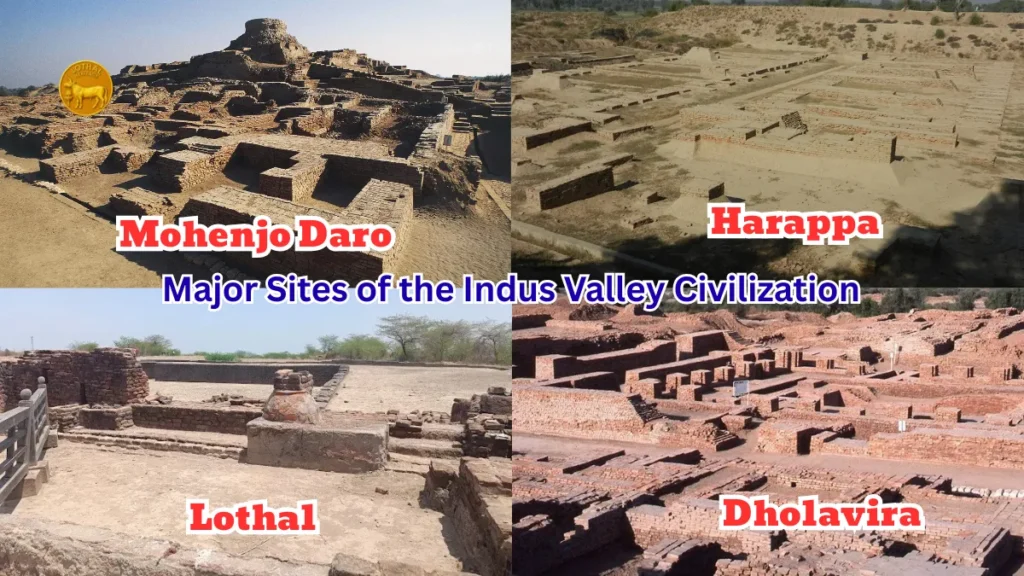
The Major Sites of the Indus Valley Civilization continue to fascinate historians, archaeologists, and curious readers across the world. Often referred to as the Harappan Civilization, this ancient urban culture flourished between 3300 BCE and 1300 BCE across vast regions of South Asia. Known for its advanced urban planning, trade networks, and craftsmanship, it remains one of the most remarkable civilizations in human history.
Introduction: A Civilization Ahead of Its Time
The Indus Valley Civilization (IVC) was one of the four great ancient civilizations of the world, alongside Mesopotamia, Egypt, and China. What sets it apart is its scale, organization, and technological advancement during the Bronze Age.
Spanning approximately 1.25 million square kilometers, the civilization covered areas of present-day Pakistan, northwestern India, and parts of Afghanistan. Its discovery in 1921 at Harappa by Indian archaeologists marked the beginning of one of the most important archaeological revelations of modern times.
The civilization is renowned for:
- Grid-pattern city planning
- Standardized baked bricks
- Advanced drainage and sanitation systems
- Extensive trade networks
- Rich artistic and cultural heritage
Despite these achievements, many aspects remain mysterious—especially the undeciphered Indus script, leaving historians with unanswered questions about its society and eventual decline.

List of Major Sites of the Indus Valley Civilization
The Major Sites of the Indus Valley Civilization are spread across river systems like the Indus and Ghaggar-Hakra. Below are the most important sites:
- Harappa
- Mohenjo-daro
- Dholavira
- Rakhigarhi
- Lothal
- Kalibangan
- Banawali
- Chanhudaro
- Sutkagendor
- Alamgirpur
Key Archaeological Sites Overview (Table)
| Year | Site | Location | Excavator | Key Findings |
|---|---|---|---|---|
| 1921 | Harappa | Punjab, Pakistan | Daya Ram Sahni | Granaries, sculptures, pottery |
| 1922 | Mohenjo-daro | Sindh, Pakistan | R.D. Banerji | Great Bath, drainage system |
| 1968 | Dholavira | Gujarat, India | ASI | Water reservoirs, inscriptions |
| 1963 | Rakhigarhi | Haryana, India | Amarendra Nath | Skeletons, seals |
| 1955 | Lothal | Gujarat, India | ASI | Dockyard, bead factory |
| 1960 | Kalibangan | Rajasthan, India | B.B. Lal | Fire altars, ploughed field |
| 1974 | Banawali | Haryana, India | R.S. Bisht | Fortifications, pottery |
| 1935 | Chanhudaro | Sindh, Pakistan | Ernest Mackay | Bead workshops |
| 1960 | Sutkagendor | Balochistan, Pakistan | G.F. Dales | Coastal trade evidence |
| 1958 | Alamgirpur | Uttar Pradesh, India | Y.D. Sharma | Pottery, beads |
Harappa (Punjab, Pakistan)

Harappa, located in the Sahiwal district of Punjab, was the first site discovered and gave the civilization its alternate name—Harappan Civilization.
Excavated in 1921 by Daya Ram Sahni, Harappa revealed a highly organized city with:
- Grid-based streets
- Advanced drainage systems
- Standardized brick structures
Major Discoveries:
- Sandstone sculptures showing human anatomy
- Bullock cart models
- Two rows of six granaries
- Worker quarters
- Bronze sculpture of a dog chasing a deer
- Male torso made of red sandstone
- Mother Goddess figurines
- Pottery with Indus script
- Terracotta figurines
Harappa highlights the administrative efficiency and craftsmanship of the civilization.
Mohenjo-daro (Sindh, Pakistan)

Mohenjo-daro, meaning “Mound of the Dead,” is one of the largest cities of the Indus Valley Civilization.
Discovered in 1922 by R.D. Banerji, it dates back to around 2500 BCE.
Key Features:
- Citadel and lower town
- Sophisticated drainage system
- Planned streets and housing
Major Discoveries:
- The Great Bath (public water tank)
- Dancing Girl bronze statue
- Priest-King statue
- Seals including Pashupati seal
- Assembly hall
- Granary
- Terracotta toys
- Cotton cloth fragment
This site demonstrates advanced engineering and urban planning skills.
Dholavira (Gujarat, India)

Located in the Kutch district of Gujarat, Dholavira is one of the most prominent Indian Harappan sites.
Excavated by R.S. Bisht, it was declared a UNESCO World Heritage Site in 2021.
Unique Features:
- Advanced water management system
- Large reservoirs and dams
- City divided into three parts
Major Discoveries:
- Large inscriptions
- Stepwell (larger than Great Bath)
- Stadium-like structures
- Cemetery
- Use of stone in construction
Dholavira stands out for its innovative water conservation techniques.
Rakhigarhi (Haryana, India)

Rakhigarhi is considered one of the largest Indus Valley sites, spread over 350 hectares.
Key Highlights:
- Evidence of urban planning
- Streets, drainage systems, and houses
Major Discoveries:
- Human skeletons
- Seals and pottery
- Terracotta figurines
- Granary with 7 chambers
- Cotton fabric traces
It provides insight into daily life and evolution of the civilization.
Lothal (Gujarat, India)

Lothal is famous for having the world’s oldest known dockyard, highlighting its role in maritime trade.
Discovered by S.R. Rao, it was active between 2400–1600 BCE.
Major Discoveries:
- Dockyard and port
- Bead-making factory
- Warehouse
- Seals and pottery
- Rice husk
- Chess-like game
- Terracotta figures of animals
Lothal was a major trade hub, connecting India with Mesopotamia.
Kalibangan (Rajasthan, India)

Situated along the Ghaggar River, Kalibangan provides evidence of both pre-Harappan and Harappan cultures.
Major Discoveries:
- Fire altars
- Ploughed agricultural field (world’s earliest)
- Double fortification
- Pottery and tools
- Earthquake evidence
This site reveals early agricultural practices and rituals.
Banawali (Haryana, India)

Banawali lies on the dried Saraswati River and shows a well-planned fortified town.
Major Discoveries:
- Barley grains
- Toy plough
- Ivory comb
- Human figurines
- Painted pottery
It reflects a society engaged in agriculture, trade, and craftsmanship.
Chanhudaro (Sindh, Pakistan)

Chanhudaro is unique because it lacks a citadel, suggesting it was mainly a commercial and manufacturing center.
Major Discoveries:
- Bead-making factories
- Evidence of cosmetics (kohl, lipstick)
- Inkpot
- Toy cart
It is often called the industrial hub of the Indus Valley Civilization.
Sutkagendor (Balochistan, Pakistan)
The westernmost site of the civilization, located near the Makran coast.
Major Discoveries:
- Stone structures
- Fortification walls
- Pottery and shell beads
It played a key role in coastal and maritime trade.
Alamgirpur (Uttar Pradesh, India)
Alamgirpur is the easternmost site of the Indus Valley Civilization.
Major Discoveries:
- Pottery types (Painted Grey Ware, Red Ware)
- Beads and copper tools
- Animal bones
- Textile impressions
It shows cultural links between the Indus Valley and the Ganga plains.
Other Important Indus Valley Sites
| Site | Location |
|---|---|
| Amri | Sindh, Pakistan |
| Balathal | Rajasthan, India |
| Daimabad | Maharashtra, India |
| Desalpur | Gujarat, India |
| Kot Diji | Sindh, Pakistan |
| Mehrgarh | Balochistan, Pakistan |
| Ropar | Punjab, India |
| Sanauli | Uttar Pradesh, India |
Also Read: Indus Valley Civilisation: Tracing the Legacy of an Ancient Urban World
Why These Sites Matter Today
The Major Sites of the Indus Valley Civilization are not just archaeological remains—they are windows into one of the earliest examples of:
- Urban governance
- Engineering excellence
- Trade globalization
- Cultural richness
Their discoveries continue to reshape our understanding of ancient history.
Also Read: Kalibangan: The Ancient Indus Valley City That Redefined Early Urban Life and Agriculture
Conclusion
The Major Sites of the Indus Valley Civilization collectively reveal a society that was highly advanced, organized, and innovative. From the dockyards of Lothal to the reservoirs of Dholavira and the urban brilliance of Mohenjo-daro, each site adds a piece to the puzzle of this mysterious civilization.
Even today, with many aspects still unknown—especially the undeciphered script—the Indus Valley Civilization remains one of the most intriguing chapters in human history.
What are the major sites of the Indus Valley Civilization?
Harappa, Mohenjo-daro, Dholavira, Rakhigarhi, Lothal, Kalibangan, Banawali, Chanhudaro, Sutkagendor, and Alamgirpur.
Who discovered Harappa?
Daya Ram Sahni in 1921.
What is the smallest site?
Chanhudaro is considered one of the smaller but significant industrial sites.
Who discovered Lothal?
S.R. Rao.
What is Mohenjo-daro famous for?
The Great Bath, drainage system, and advanced urban planning.