
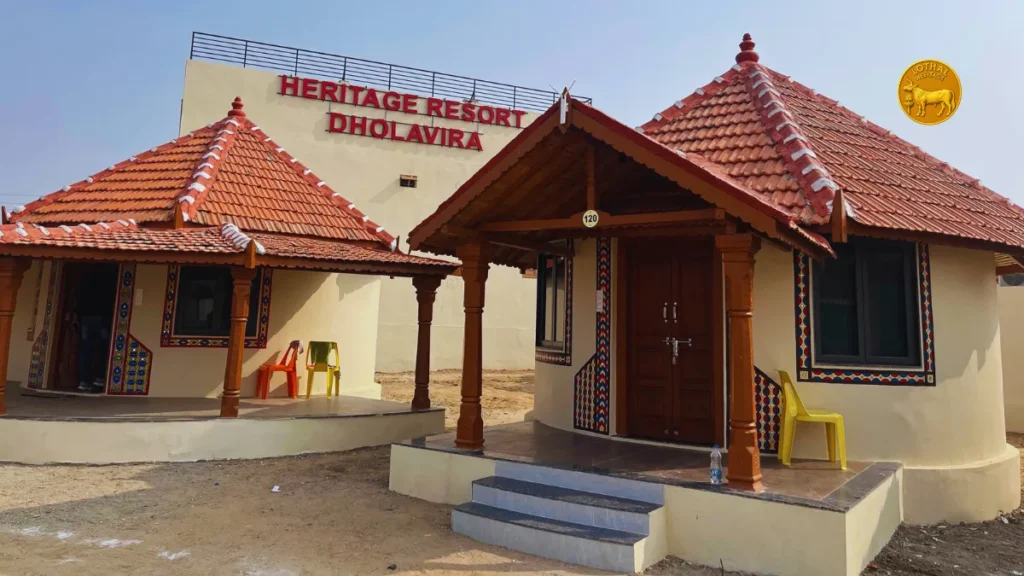
Dholavira hotels have become an essential part of the travel experience for visitors exploring one of India’s most extraordinary archaeological landscapes. Located on Khadir Bet in Gujarat’s Kutch district, Dholavira is not just an ancient Harappan site but a destination where history, desert ecology, and cultural traditions intersect. Over the years, accommodation options here have evolved thoughtfully, offering travelers comfort without disturbing the fragile character of the region.
Dholavira is unlike conventional tourist towns. The settlement sits amid the vast salt plains of the Great Rann of Kutch, surrounded by seasonal wetlands, desert winds, and open skies. Hotels in and around Dholavira are shaped by this environment. Rather than high-rise buildings or luxury chains, most properties emphasize low-impact architecture, local materials, and a slower rhythm that mirrors life in the desert.

Understanding the Landscape Around Dholavira
Before choosing accommodation, it helps to understand the geography. Dholavira lies on an island-like landmass that becomes partly isolated during the monsoon. The terrain is flat, arid, and expansive, with dramatic sunsets and star-filled nights. This remoteness is precisely what draws travelers, historians, photographers, and cultural explorers.
Dholavira hotels often reflect this sense of isolation and serenity. Many are designed to blend into the environment, using mud, stone, and traditional Kutchi construction techniques. Staying here is less about luxury in the conventional sense and more about immersion in place.
Types of Dholavira Hotels Available
Accommodation options around Dholavira cater to a range of travelers, from researchers and solo explorers to families and heritage tourists. While the region does not have international hotel chains, it offers authentic and functional stays.
Heritage-style resorts are among the most popular. These properties draw inspiration from local architecture, featuring circular bhungas, courtyards, and earthy interiors. They often include cultural elements such as folk music evenings, traditional meals, and guided village walks.
Eco-lodges are another significant category. Built with sustainability in mind, these lodges focus on minimal water usage, solar energy, and waste management. For travelers interested in responsible tourism, such options align well with the values of the region.
There are also simple guesthouses and government-run accommodations. These are practical, affordable, and often chosen by archaeologists, students, and budget travelers who prioritize proximity to the excavation site over amenities.
What to Expect in Terms of Comfort and Facilities
Dholavira hotels are designed for functionality rather than extravagance. Rooms are generally clean, spacious, and well-ventilated, with cooling systems adapted for desert conditions. Air conditioning may be limited or available only during certain hours, as many properties rely on sustainable energy solutions.
Dining facilities typically serve local Gujarati and Kutchi cuisine, along with basic Indian meals. Ingredients are often sourced locally, and meals follow seasonal availability. Alcohol availability is restricted due to state regulations, something travelers should keep in mind.
Connectivity is another factor. Mobile networks work intermittently, and internet access can be slow. Many visitors see this as a benefit rather than a drawback, allowing them to disconnect and focus on the experience.
Why Staying Near the Site Matters
One of the biggest advantages of choosing Dholavira hotels close to the archaeological site is timing. Early mornings and late afternoons offer the best light for exploring the ruins, understanding the town planning, and appreciating the scale of the ancient dockyard and reservoirs.
Staying nearby also allows visitors to experience the subtle changes in the landscape. The silence of the salt flats at dawn, the shifting colors of the sky, and the quiet evenings all contribute to a deeper connection with the site.
Dholavira Hotels and Seasonal Considerations
The best time to visit Dholavira is between October and March, when temperatures are moderate. During this period, hotels operate at full capacity, and advance booking is recommended, especially during festivals or cultural events in Kutch.
Summers are extremely hot, with temperatures often exceeding comfortable limits. Some hotels close temporarily, while others operate with limited services. The monsoon season brings its own charm, transforming parts of the Rann into shallow wetlands, but accessibility can be challenging.
A Practical Overview of Accommodation Options
The table below offers a simple comparison of accommodation types commonly found around Dholavira.
| Accommodation Type | Key Features | Ideal For |
|---|---|---|
| Heritage Resorts | Traditional architecture, cultural experiences, local cuisine | Cultural travelers, families |
| Eco-Lodges | Sustainable design, nature-focused stays, quiet surroundings | Eco-conscious travelers |
| Guesthouses | Basic rooms, affordable pricing, proximity to site | Budget travelers, researchers |
| Government Lodges | Standard facilities, reliable access, simple services | Students, official visitors |
Read also: Dholavira Harappan Site: The Rise, Glory, and Legacy of One of the World’s Greatest Ancient Cities
Cultural Experiences Beyond the Room
Staying in Dholavira is not limited to sleeping and sightseeing. Many Dholavira hotels actively encourage interaction with local culture. Guests may have opportunities to visit nearby villages, observe traditional crafts, or learn about salt farming and pastoral life.
Local guides, often arranged through hotels, provide context that goes beyond guidebooks. Their stories connect the ancient city to present-day communities, highlighting continuity rather than separation between past and present.
Responsible Travel and the Role of Hotels
The archaeological significance of Dholavira places a responsibility on both visitors and accommodation providers. Many hotels actively promote responsible behavior, such as limiting plastic use, conserving water, and respecting protected zones.
This approach helps preserve the site while ensuring that tourism benefits local communities. Employment opportunities, sourcing of materials, and cultural programming all contribute to a more balanced tourism model.
Choosing the Right Stay
Selecting from the available Dholavira hotels depends largely on expectations. Travelers seeking comfort with cultural depth may prefer heritage-style properties. Those focused on research or exploration might choose simpler lodgings close to the ruins. Regardless of the choice, most visitors find that the understated nature of accommodation enhances rather than detracts from the experience.
The absence of luxury distractions allows the landscape, history, and silence to take center stage. In a world of fast travel and crowded destinations, Dholavira offers something rare: space to reflect.
Read also: Urban Planning of Harappan Civilization: A Detailed Exploration of an Ancient Urban Marvel
Conclusion
Dholavira hotels are not just places to stay; they are extensions of the destination itself. Rooted in the desert environment and shaped by history, they provide a thoughtful balance between comfort and authenticity. For anyone visiting this remarkable Harappan site, choosing the right accommodation is an integral part of understanding Dholavira-not as a relic of the past, but as a living landscape where history and present-day life coexist quietly under the vast Kutch sky.