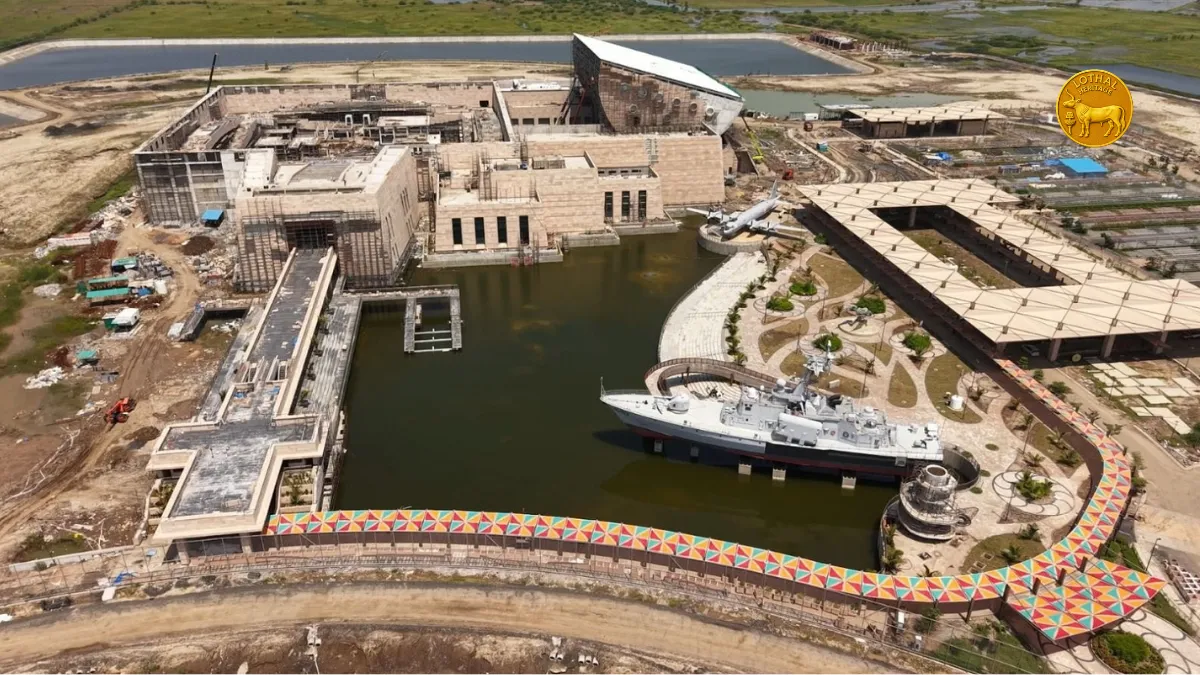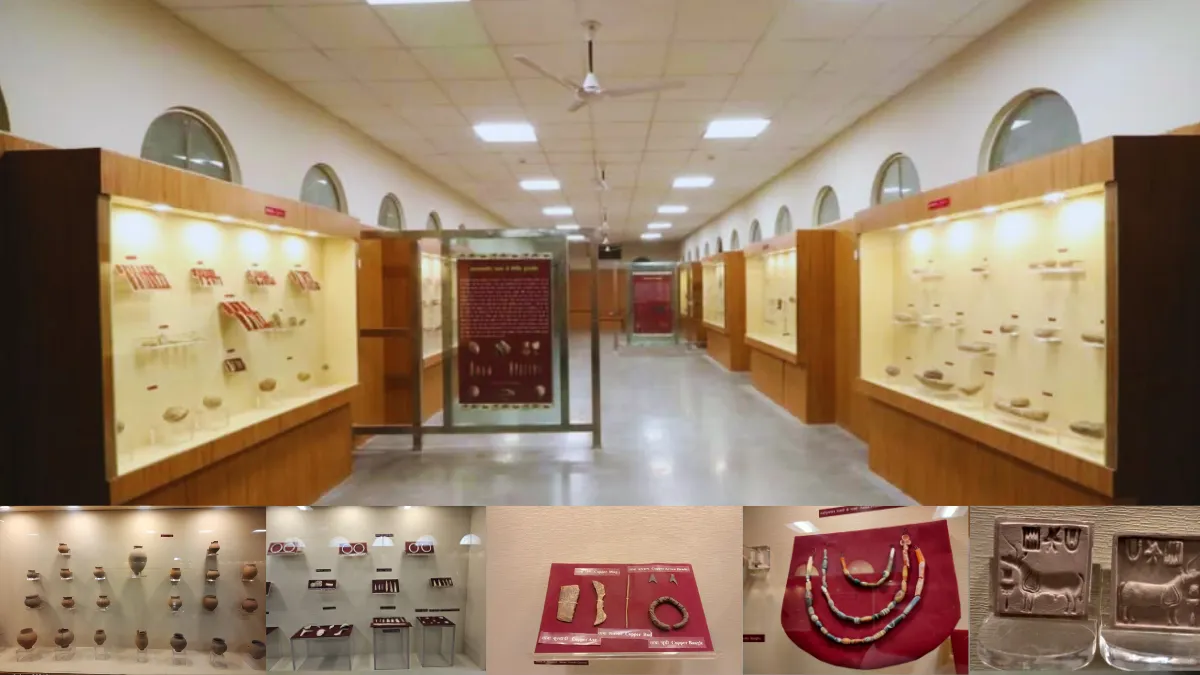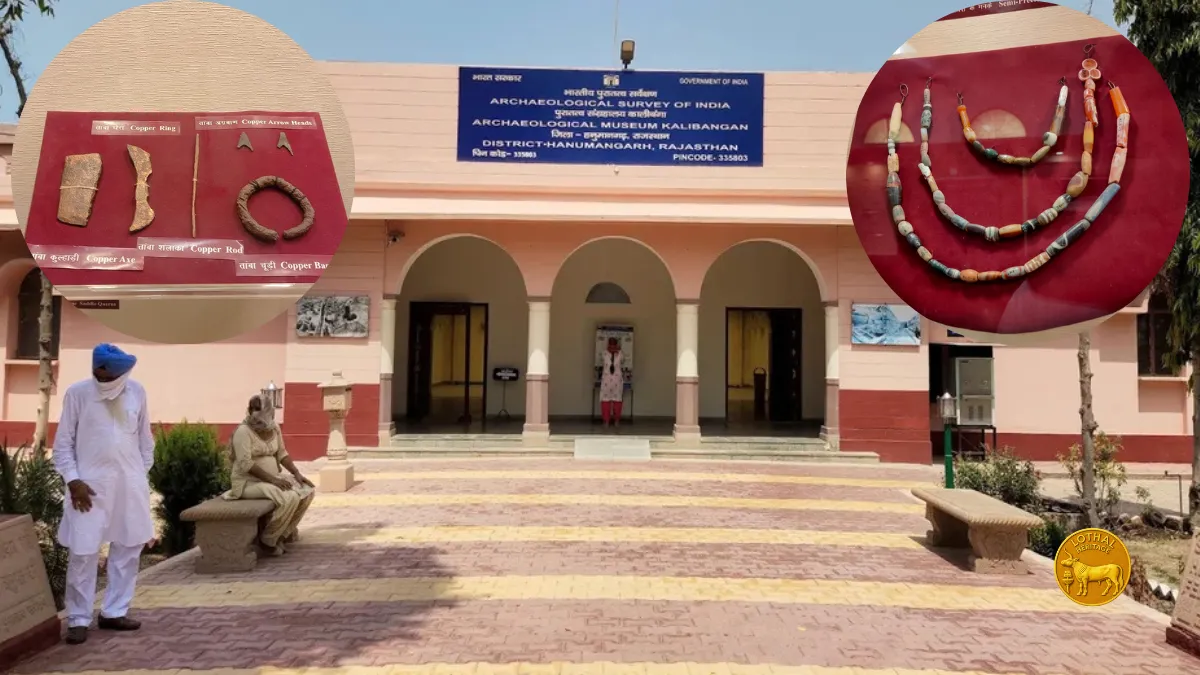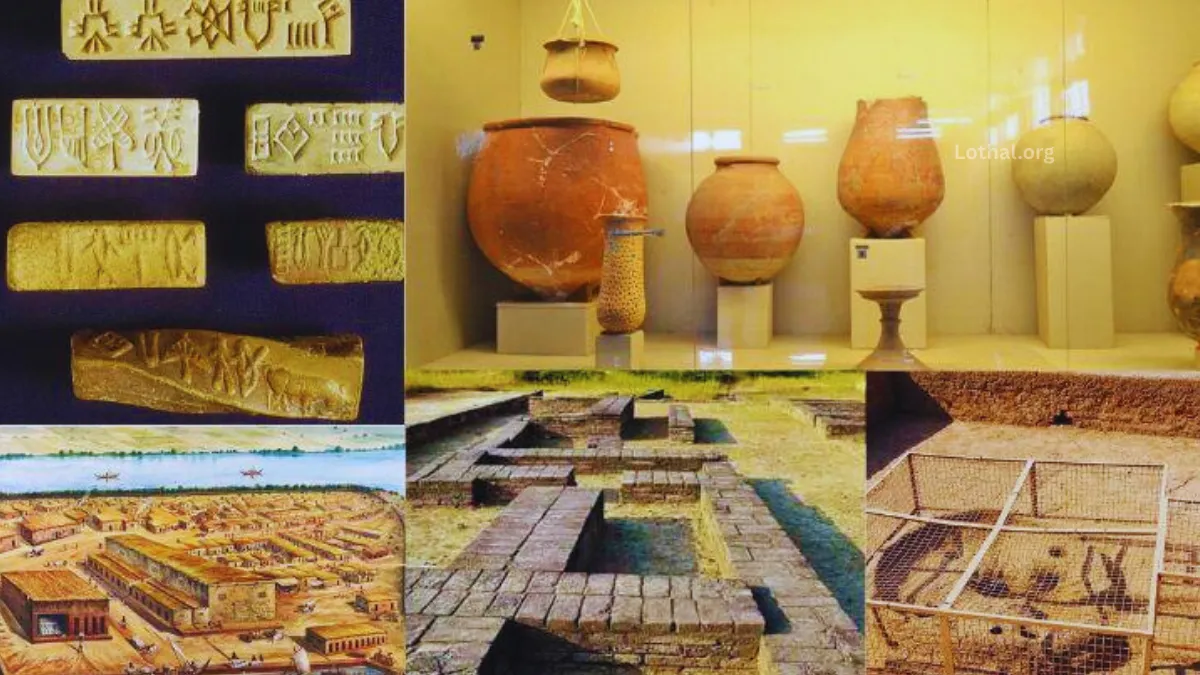
The Archaeological site museum lothal stands as one of India’s most significant gateways to understanding the maritime brilliance of the Indus Valley Civilization. Located in Gujarat’s Bhal region, this historic complex offers a rare glimpse into an ancient world where urban planning, trade networks, craftsmanship and seafaring innovation flourished thousands of years ago. The museum preserves the excavated findings from Lothal, a site that once functioned as an important port town, connecting the Harappan civilization with distant regions across the Arabian Sea.
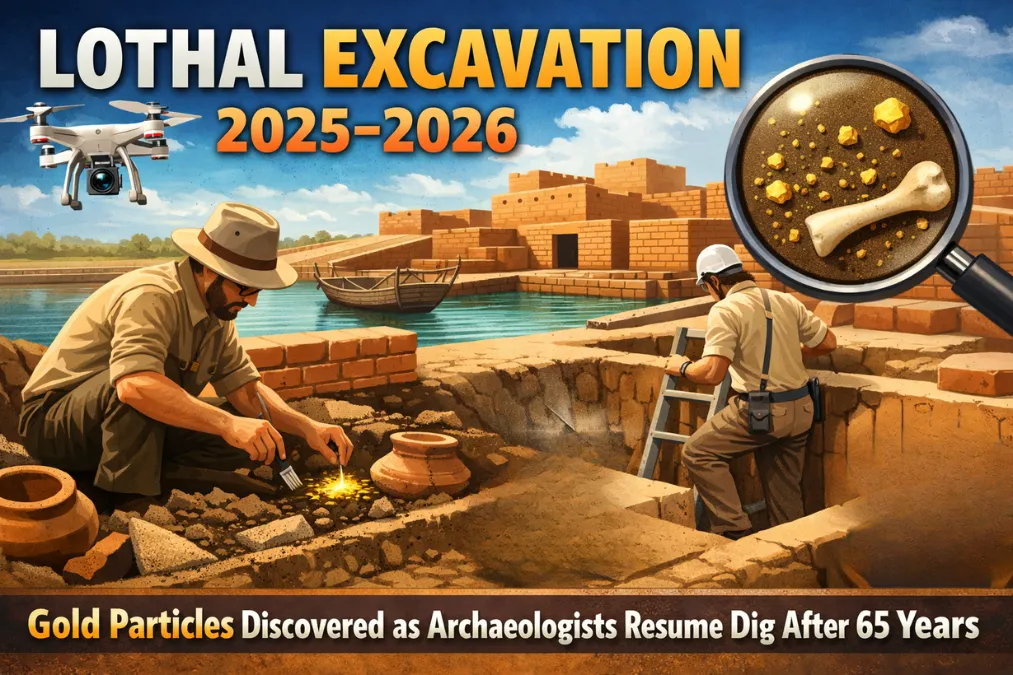
The story of the Archaeological site museum lothal begins with excavations conducted by the Archaeological Survey of India in the mid-20th century. As researchers uncovered meticulously planned streets, a sophisticated drainage system, workshops and India’s earliest known dockyard, Lothal quickly gained international recognition. The museum was established to house artifacts found during these excavations and to narrate the cultural and technological evolution of one of the world’s oldest urban societies.
Origins and Significance of Lothal
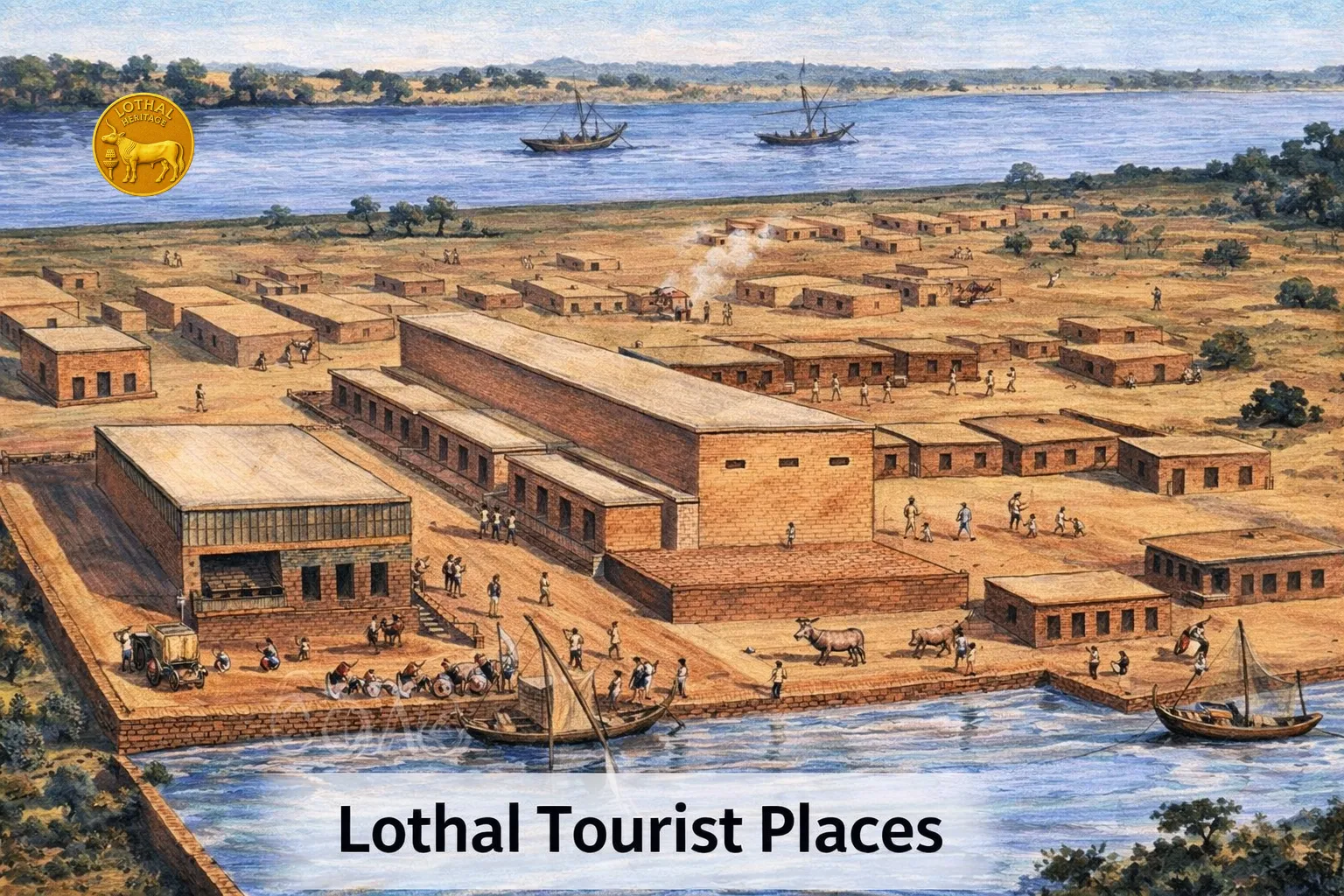
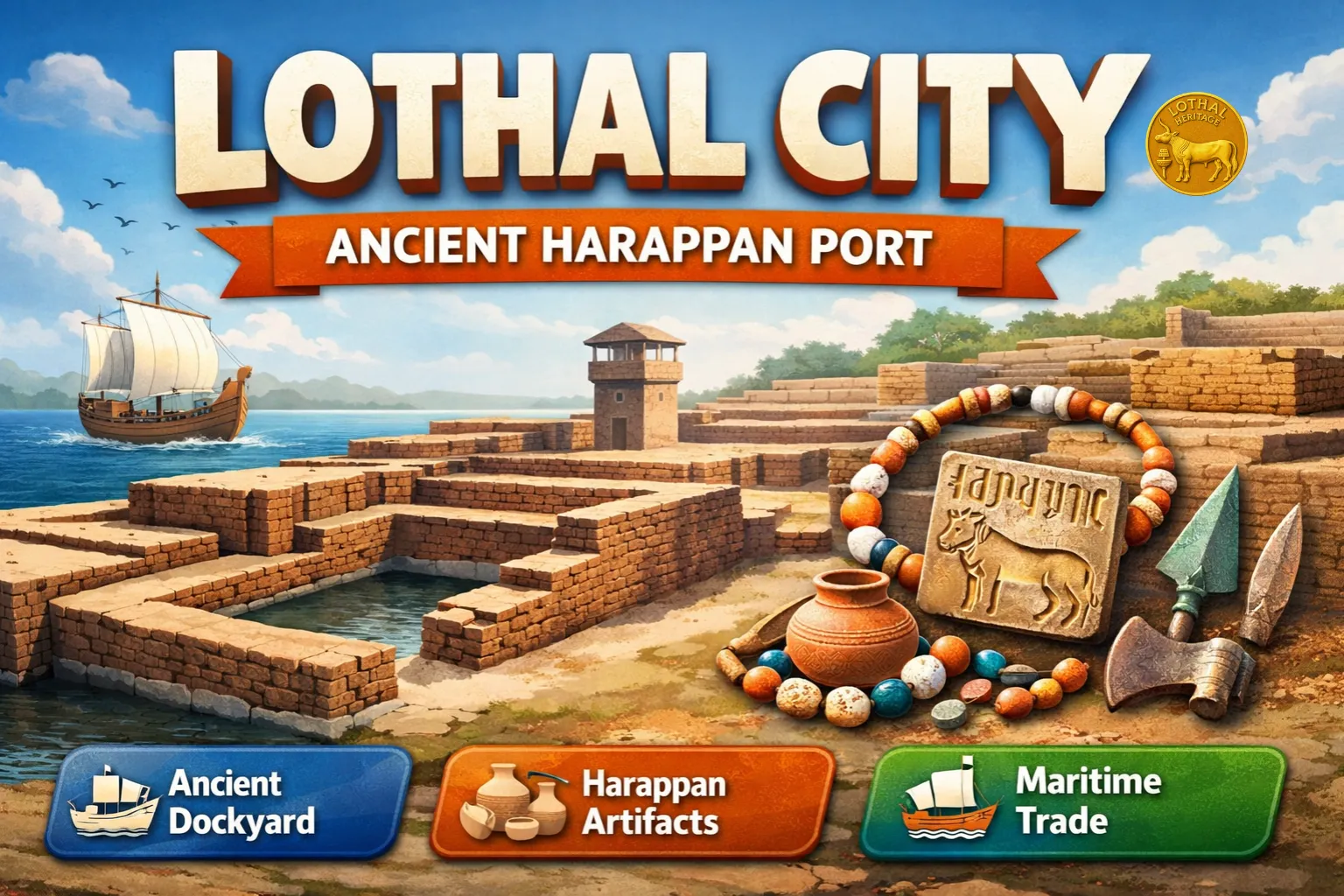
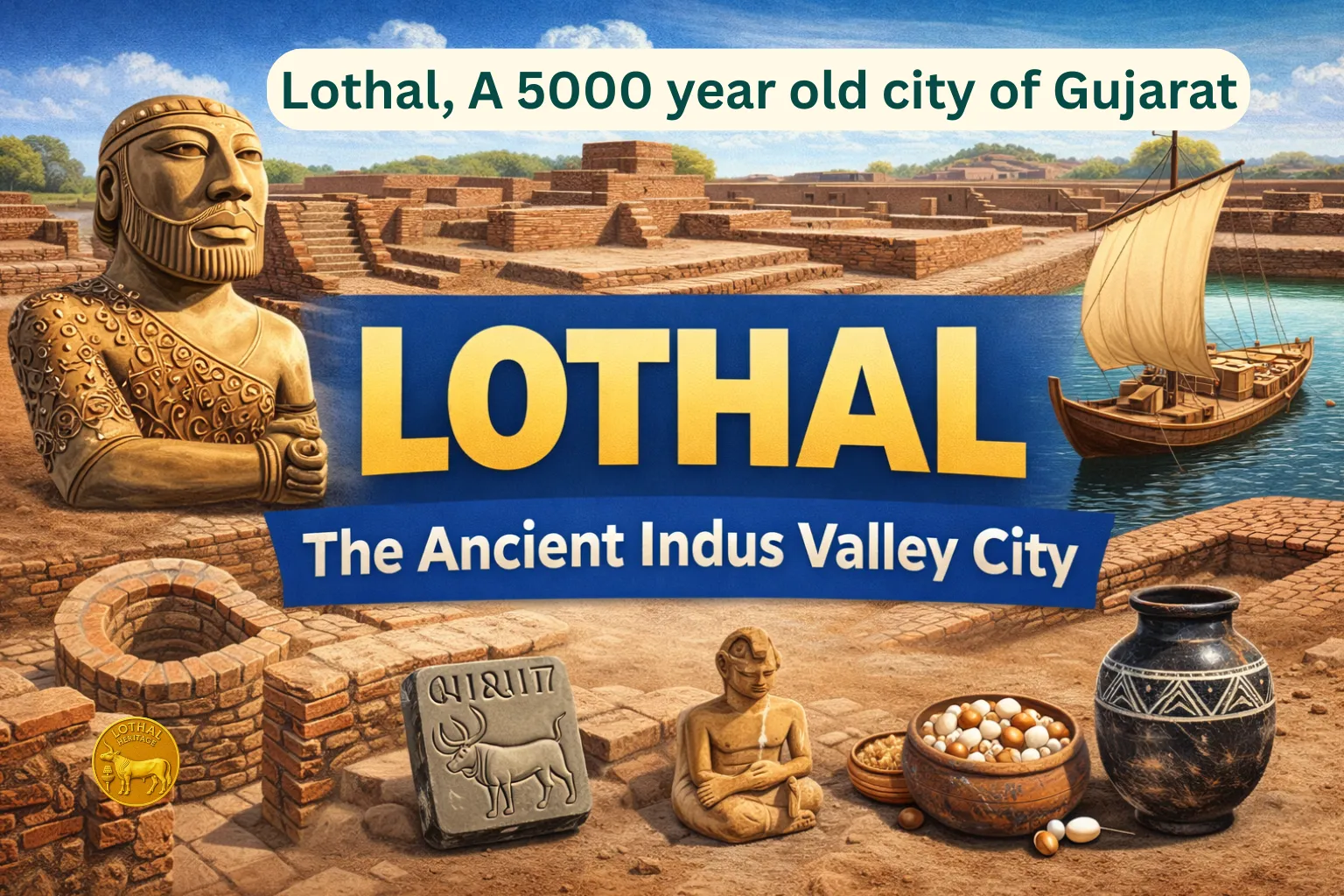
Lothal, meaning “Mound of the Dead,” dates back to around 2400 BCE. Its strategic location near the ancient course of the Sabarmati River made it ideal for maritime activities. The town’s dockyard, considered one of the world’s earliest, reveals the Harappans’ understanding of tidal movements and water engineering. The Archaeological site museum lothal helps visitors appreciate this heritage by showcasing tools, pottery, seals and trade items that once circulated across distant civilizations.
The museum highlights how Lothal became a hub of bead-making, shell carving and metallurgy. Its craftsmen produced high-quality micro-beads and etched carnelian stones that were exported to Mesopotamia and beyond. Every gallery inside the Archaeological site museum lothal emphasizes the technological skill and artistic sensibility of the Harappan people, underscoring their advanced craftsmanship.
What the Museum Displays
The Archaeological site museum lothal consists of multiple galleries that recreate the life and culture of ancient Lothal. Pottery samples, terracotta figurines and tools from daily life depict how the urban settlement functioned. Miniature models of the dockyard help visitors visualize Lothal’s role in maritime trade. Perhaps the most striking exhibits are the engraved seals and sealings, many bearing intricate animal motifs and symbols characteristic of the Harappan script.
One can also find weights and measures that reveal standardized systems, reflecting organized trade and governance. The museum’s collection of beads—ranging from simple terracotta to highly polished stones—demonstrates mastery over heat, pressure and design. Together, these exhibits at the Archaeological site museum lothal not only trace the evolution of Harappan industry but also highlight the city’s global connections.
A Quick Overview of Lothal and Its Museum
Below is a simple table summarizing key details about the site and museum:
| Category | Details |
|---|---|
| Location | Saragwala Village, Dholka Taluka, Ahmedabad District, Gujarat |
| Civilization | Indus Valley Civilization (Harappan) |
| Estimated Age | Around 2400–1900 BCE |
| Key Discovery | World’s earliest known dockyard |
| Museum Establishment | Archaeological Survey of India |
| Major Exhibits | Seals, pottery, beads, tools, figurines, dockyard models |
| Nearest City | Ahmedabad (approx. 85 km) |
Understanding the Dockyard Through the Museum
A notable part of the Archaeological site museum lothal experience is the interpretation of the dockyard, often regarded as the most iconic feature of the site. The Harappans engineered a basin connected to an ancient river channel, allowing ships to dock safely. Its layout suggests an understanding of hydrology, flood control and maritime logistics. Models and diagrams within the museum explain how goods arrived, were stored in warehouses and transported across regions.
This section of the museum contributes significantly to academic studies, offering insights into ancient trade patterns. Scholars consider Lothal one of the earliest examples of a port city, and the museum serves as a valuable resource in preserving this knowledge.
Cultural and Technological Insights
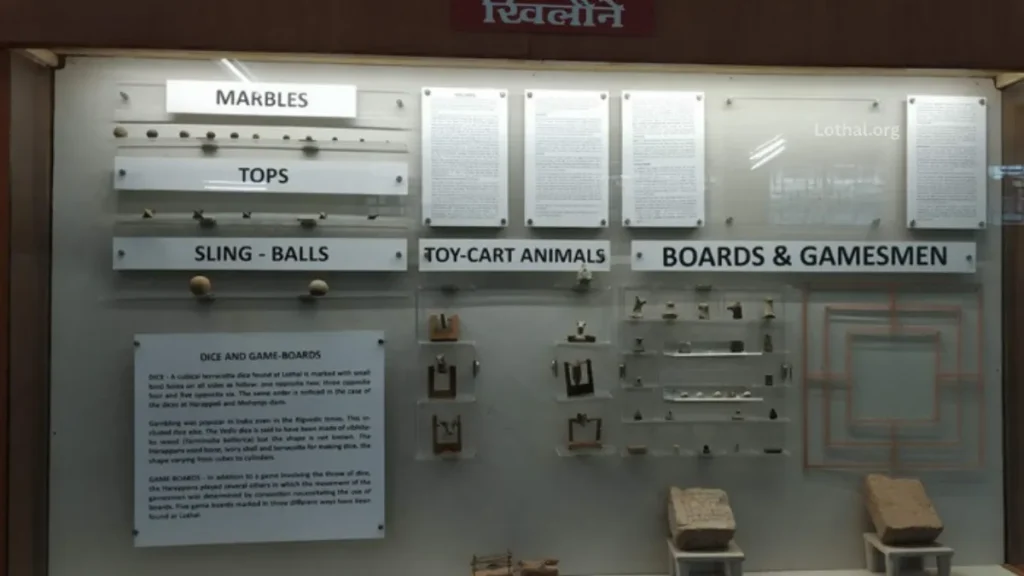
The Archaeological site museum lothal also emphasizes cultural aspects of Harappan life. Figurines of animals, dancing figures and household artifacts reflect daily rituals and social activities. Harappan pottery, known for its geometric patterns and red slip coating, appears in various shapes—from storage jars to cooking vessels. The uniformity observed across items suggests strong artistic traditions and shared cultural standards.
Another striking element is the museum’s collection of scientific tools such as shell assemblages, fish bones and copper instruments. These findings help researchers reconstruct diet, trade commodities and professional practices. Visitors gain a deeper understanding of how Harappan society adapted to its environment using technology and innovation.
A Subheading Featuring the Focus Keyword
Heritage Interpretations at the Archaeological site museum lothal
This dedicated section offers an in-depth look at how the museum interprets the heritage of Lothal for modern audiences. Guided explanations, curated displays and visual reconstructions form an immersive journey. The museum focuses on factual storytelling rather than ornamental narration, helping visitors grasp the logical and scientific worldview of the Harappan people.
Researchers frequently use the museum as a reference point for comparative studies. Restoration efforts and display arrangements aim to preserve fragile artifacts while making them accessible to the public. Through its scholarly approach, the Archaeological site museum lothal continues to inspire fresh academic interest.
Also read: Lothal Gujarat: Exploring One of India’s Earliest Urban Civilizations
Visiting Experience and Site Layout
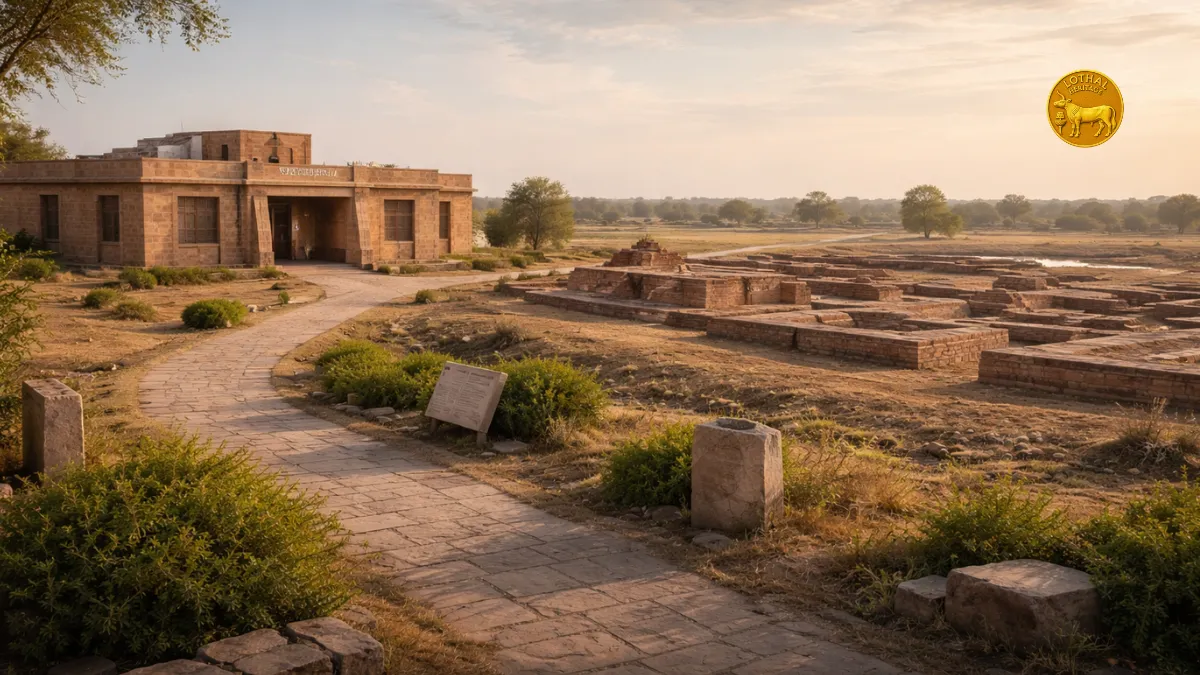
Exploring the Archaeological site museum lothal typically includes both the indoor galleries and the outdoor archaeological remains. Visitors first encounter the museum building, where artifacts are neatly catalogued. Afterward, walking trails lead to the excavated dockyard, acropolis, bead factory and residential areas. Signboards provide essential information about structural layouts, making the ruins easier to understand.
The combination of museum exhibits and onsite ruins allows visitors to imagine ancient life with clarity. Standing beside the remnants of the dockyard offers a silent yet powerful reminder of Lothal’s maritime legacy.
Also read: Lothal is Situated on the Banks of Which River? Understanding the Legacy of an Ancient Port Town
Why Lothal Remains Important Today
Lothal’s relevance goes beyond archaeology. It represents an ancient connection between India and global trade networks. Its planning systems demonstrate sophisticated civic administration. Its industries reveal economic organization and technological advancement. The Archaeological site museum lothal preserves this multifaceted story, ensuring future generations understand how early civilizations shaped human progress.
The museum’s role is particularly significant in a world where maritime economies continue to influence global relations. By studying Lothal, researchers uncover patterns of cooperation, craftsmanship and innovation that remain relevant today.
Also read: Harappan Port City Lothal: Unearthing the Legacy of the World’s Earliest Known Tidal Dockyard
Conclusion
The Archaeological site museum lothal stands as a crucial institution preserving the achievements of one of the world’s earliest urban civilizations. Its galleries, artifacts and interpretive displays reveal the complexity of Harappan life-from maritime trade and industrial craftsmanship to cultural practices and civic planning. For visitors, scholars and history enthusiasts, the museum offers a rare and inspiring window into an ancient era that continues to shape our understanding of human development.