Archaeological Site Museum Lothal: Travelers who frequently visit Ahmedabad often explore its vibrant markets, historical monuments, and iconic architectural landmarks. Yet, only a fraction of visitors step beyond the city to uncover one of India’s most extraordinary archaeological discoveries: the Archaeological Site Museum Lothal. Situated around 78 kilometers from Ahmedabad, this remarkable site stands as one of the most significant remnants of the ancient Indus Valley Civilization.
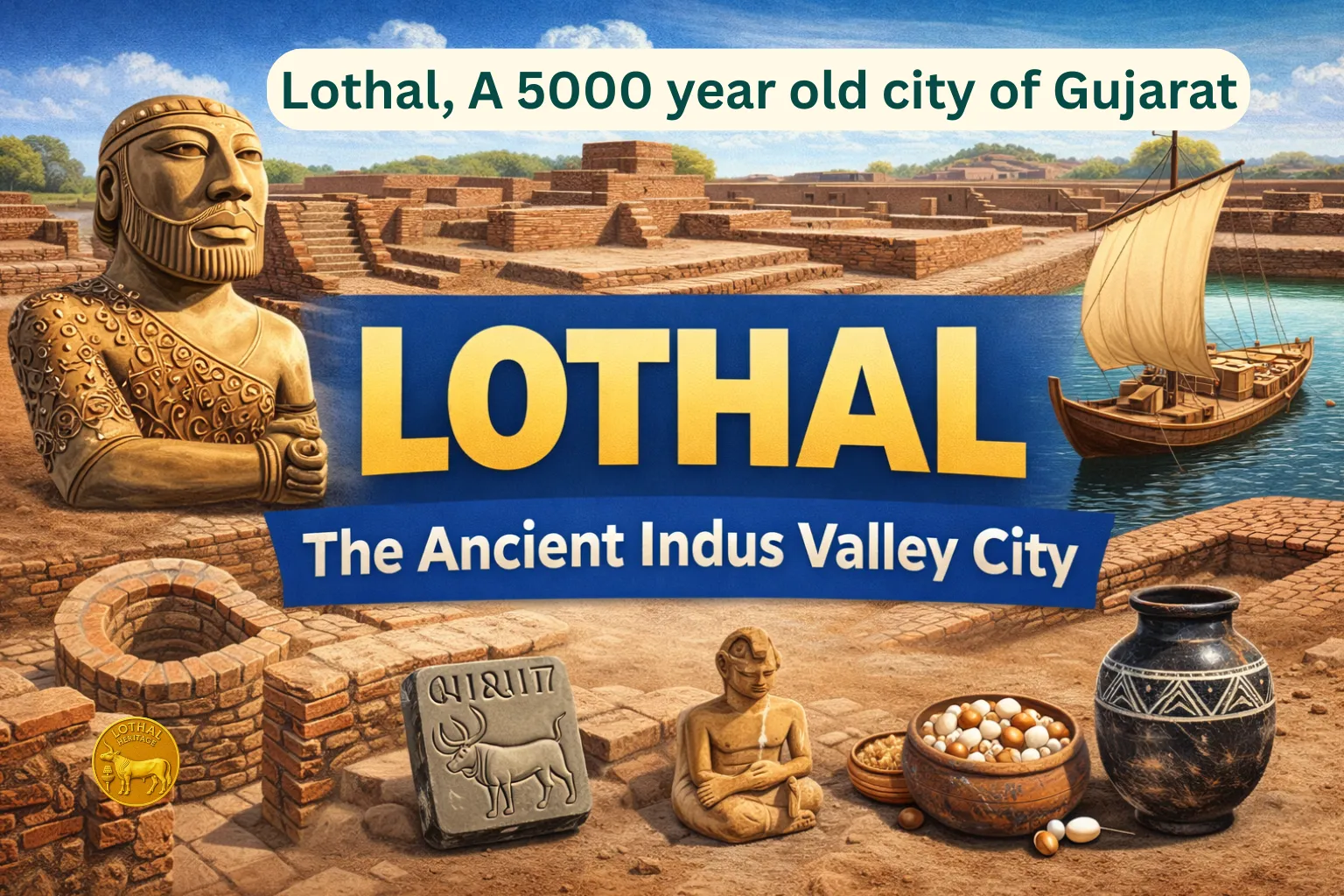
Lothal, discovered nearly forty years after the world learned about Harappa and Mohenjo-Daro, revealed evidence that has reshaped global understanding of early urban settlements. From industrial remains and trade links to a remarkably advanced dockyard, Lothal has become one of the most researched ancient sites in India. Today, the archaeological site museum Lothal preserves these discoveries, offering visitors an intimate look into a sophisticated civilization that thrived nearly 45,00 years ago.
This detailed news-style feature explores the history, discoveries, layout, museum exhibits, nearby attractions, travel tips, and everything you need to plan a meaningful visit to Lothal.
A Glimpse Into the Past: The Discovery of Lothal
Lothal lies between the Sabarmati River and its tributary, the Bhogavo. Until the 1950s, historians believed the Indus Valley Civilization existed primarily across present-day Pakistan, parts of northwest India, and regions near Afghanistan. This assumption changed dramatically in 1954 when an exploration of the Sabarmati River region uncovered dozens of ancient sites, including Lothal.
The discovery extended the civilization’s known boundaries further east and unveiled a city that served as a key link between southern Gujarat and civilizations such as Mesopotamia. During ancient times, high tides from the Gulf of Cambay allowed boats to travel directly to Lothal-an astonishing feature considering the Gulf is now around 19 kilometers away.
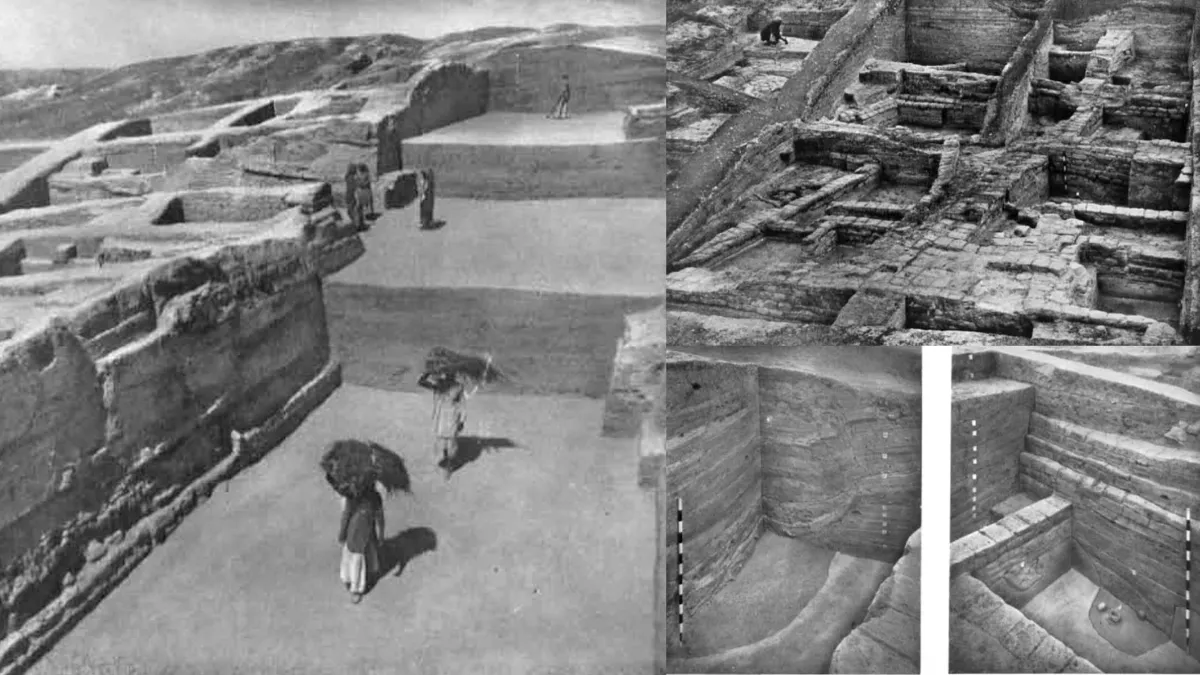
Excavations were carried out between 1955 and 1962, led by the Archaeological Survey of India. In 1976, the archaeological site museum Lothal was established to preserve and display thousands of artifacts uncovered during these excavations.
Lothal quickly gained recognition as one of the major centers of the Indus Valley Civilization, offering unparalleled insights into early maritime trade, industrial production, craftsmanship, and urban planning.
The City Layout: An Ancient Urban Masterpiece
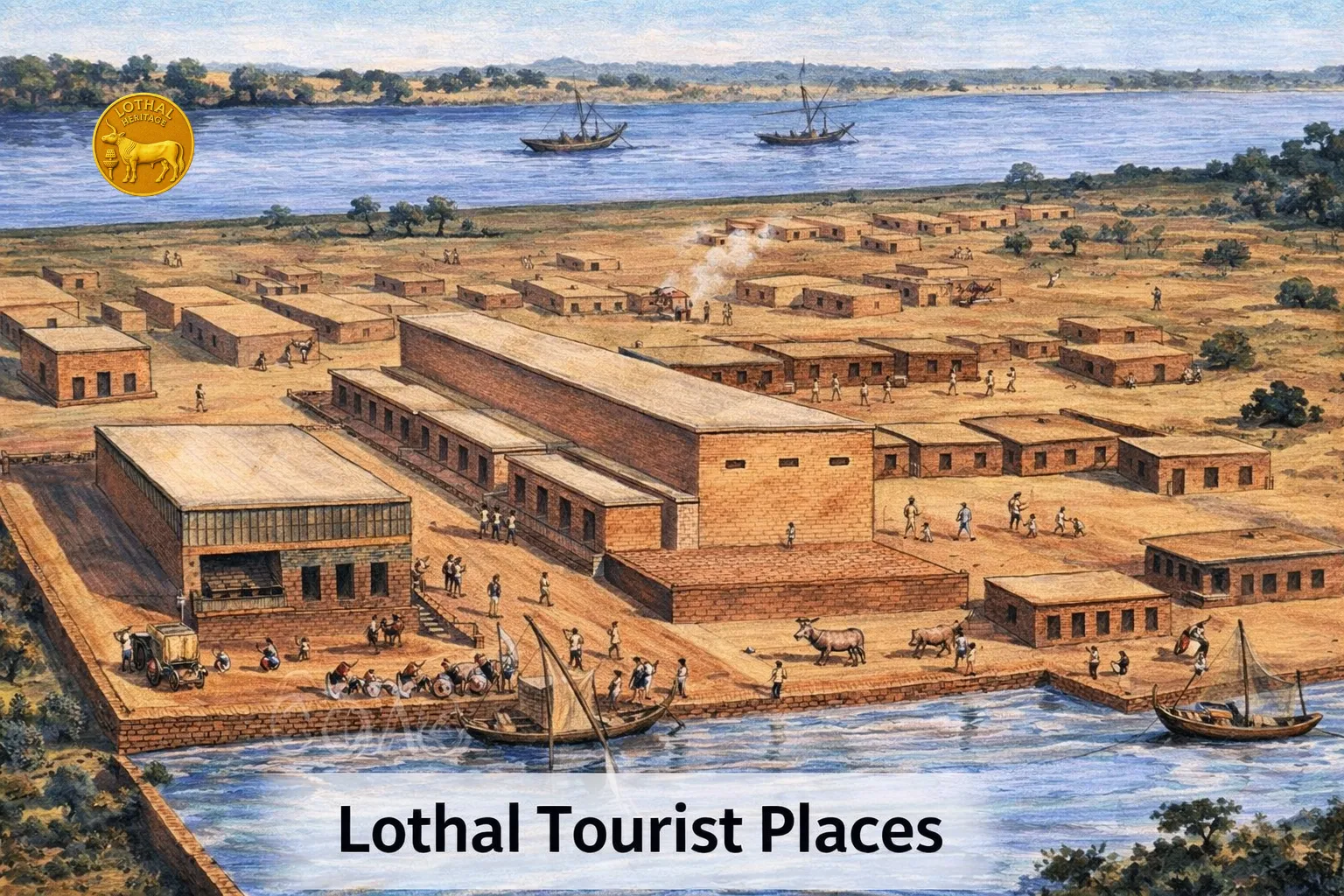
Archaeologists reconstructed the layout of Lothal as a rectangular, well-planned city surrounded by walls made initially from mud and later replaced with baked bricks. The city was divided into two primary sections:
1. The Acropolis (Upper Town)
This elevated area housed the elite and contained:
- Paved streets
- Residential quarters
- Proper drainage systems
- Public bathing platforms
- Administrative buildings
The urban planning here reflects exceptional engineering for its era.
2. The Lower Town
Located beyond the main fortified enclosure, the lower town consisted of:
- Workshops
- Industrial spaces
- Markets
- Residential areas for workers
Nearby, archaeologists also discovered a cemetery, located outside the settlement walls, offering important clues about burial practices of the period.
The entire settlement showcases a high level of civic organization that many modern towns did not achieve until centuries later.
Inside the Archaeological Site Museum Lothal
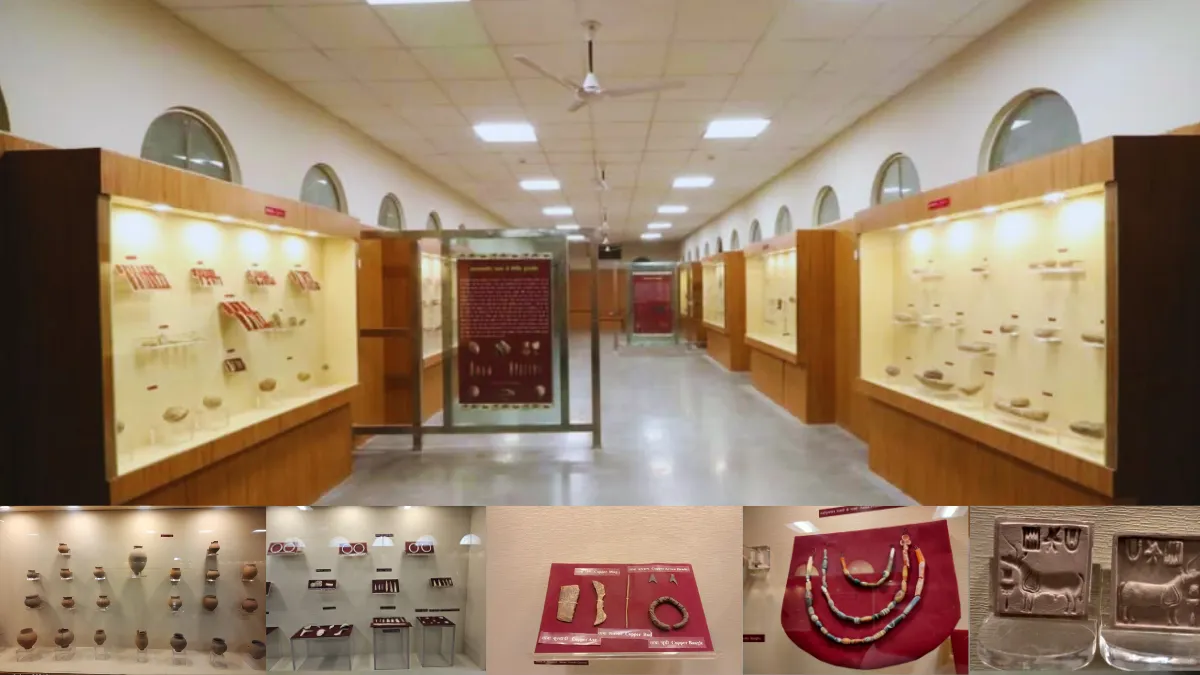
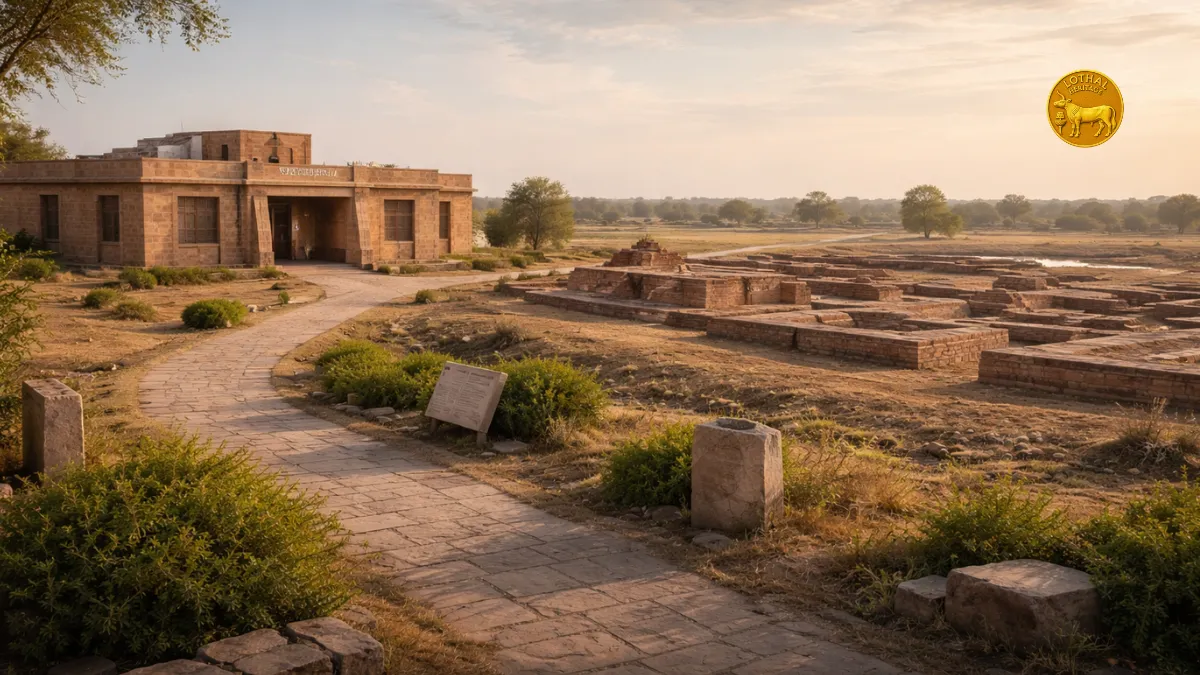
The archaeological site museum Lothal stands beside the Sabarmati River, adding to the serene historical ambiance of the region. During excavations, nearly 5,000 artifacts were unearthed, although around 800 of the finest items are showcased in the museum for public viewing.
What to Expect at the Museum
A Visual Introduction to the Indus Civilization
Visitors are welcomed by an illustrated display detailing the cultural and technological achievements of the Harappan era. This sets the tone for a comprehensive and insightful museum experience.
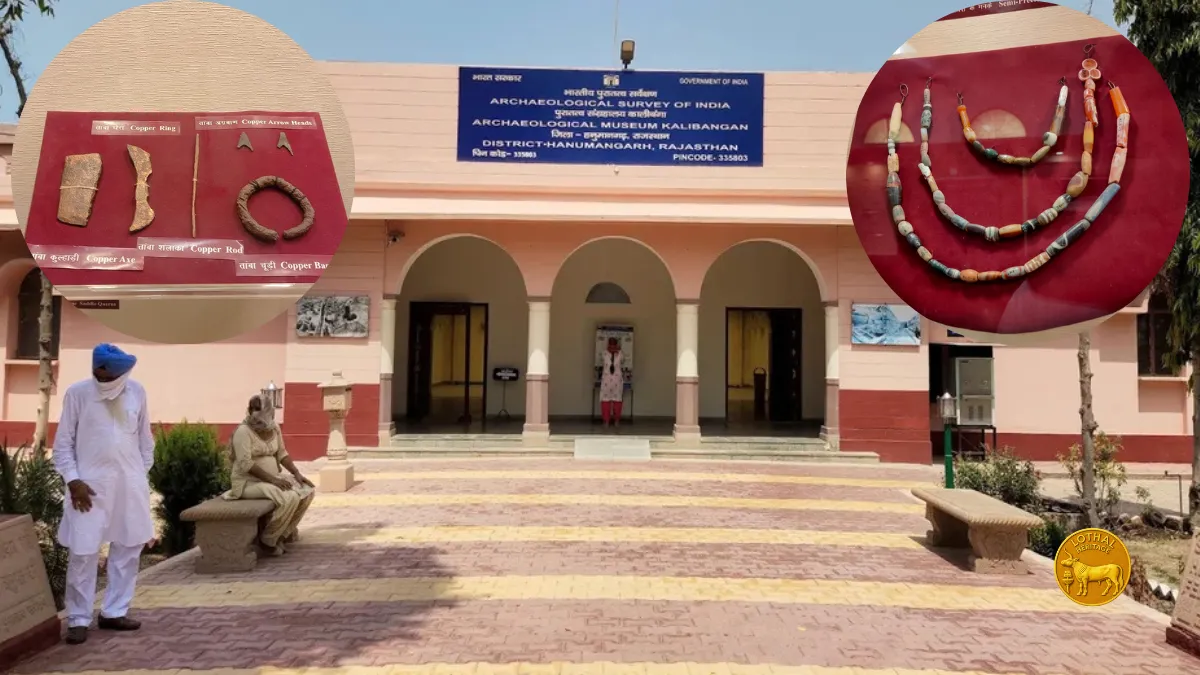
1. The Famous Bead Collection
Lothal was home to one of the largest bead-making factories of its time. The museum features:
- Semi-precious stone beads
- Shell beads
- Agate and carnelian ornaments
The discovery of similar beads in Mesopotamia suggests strong trade links between the two civilizations.
2. Shell and Metal Exhibits
Lothal was known as an exporter of shells, and the museum displays an exquisite collection of:
- Shell bangles
- Copper tools
- Bronze figurines
- Ivory objects
These artifacts highlight the region’s advanced craftsmanship.
3. Seals and Terracotta Figurines
Several finely engraved seals-some featuring unicorn motifs-are on display. These seals were likely used for:
- Trade transactions
- Identification
- Administrative markings
Miniature animal figurines found at the site reveal that creatures such as gorillas and rhinos existed in the region thousands of years ago. This discovery reshaped theories about the ancient ecological landscape.
4. Pottery and Earthen Vessels
Perfectly shaped pots, painted bowls, and intricate terracotta designs are preserved in climate-controlled glass cases. The artistic precision displayed in these pieces reflects remarkable skill for the era.
5. Games and Recreational Items
Artifacts reveal that the people of Lothal enjoyed various games similar to those of modern times, including:
- Marbles
- Dice
- Sling balls
- Toy carts
These provide an interesting glimpse into daily life and leisure activities of the Indus Valley people.
6. The Double Burial Site (Replica)
One of the most fascinating discoveries during excavation was a brick-lined grave containing two individuals buried together. A life-size replica of this burial is displayed in the museum, offering insight into ancient funeral practices.
7. Reference Library and Publications
The museum also features:
- A research library with academic material on Indus Valley history
- A publication counter that sells archaeological literature
This makes it a valuable destination for history researchers, scholars, and students.
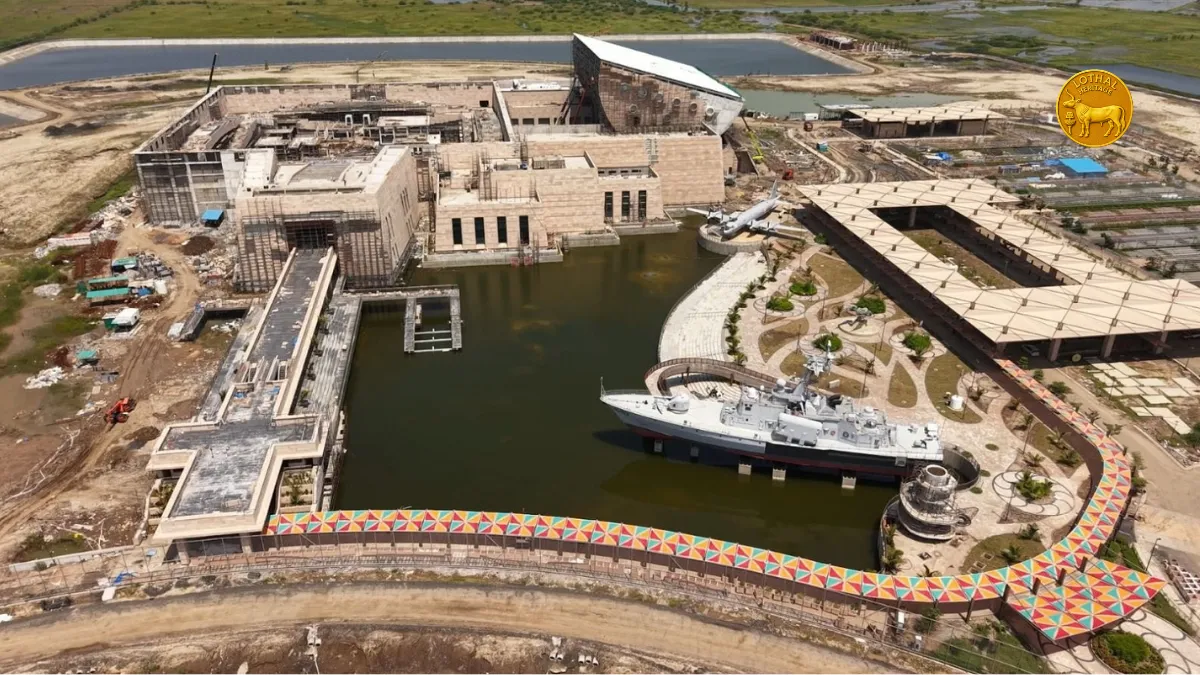
Outside the Museum: Lothal’s Excavation Site and Dockyard
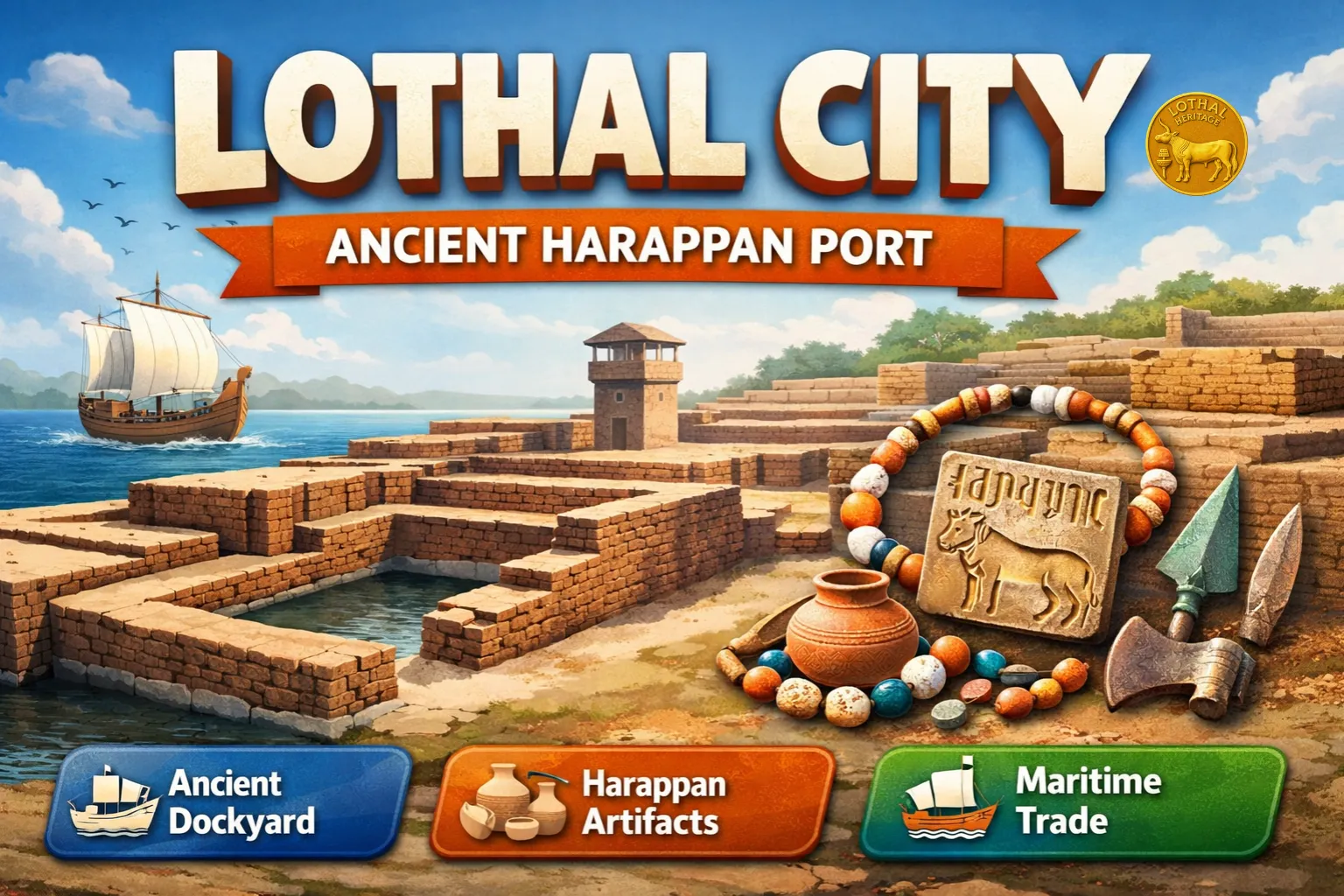
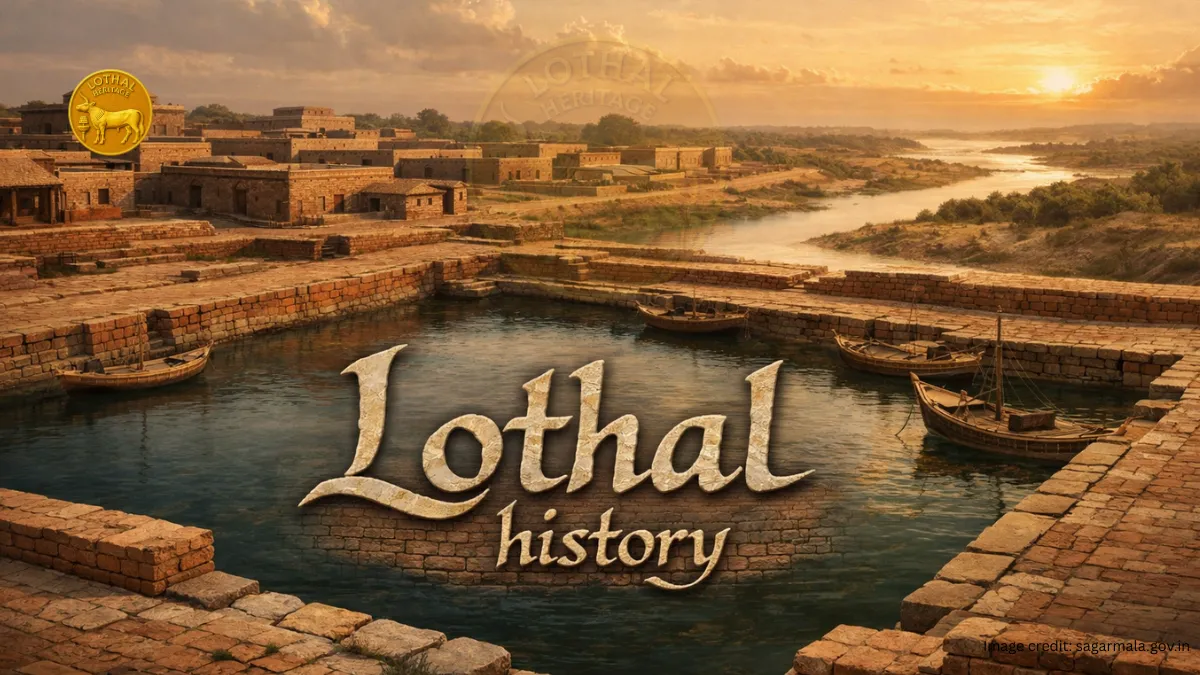
After touring the museum, visitors can explore the expansive excavation site located next to it. The most striking feature here is the Lothal dockyard, believed to be one of the earliest known dockyards in the world.
The Lothal Dockyard
The dockyard measures:
- 37 meters east to west
- 22 meters north to south
Experts consider it a masterpiece of ancient maritime engineering. The structure connected Lothal to global trade networks, enabling ships to enter during high tides.
Although some archaeologists believe the structure may have been a reservoir rather than a dockyard, the majority support the theory that it played a key role in maritime commerce.
Walking through the ruins of ancient brick structures offers a powerful connection to the life of a civilization that thrived millennia ago.
Nearby Attractions Around Lothal
Visitors often combine their museum tour with several other attractions in and around Dholka.
1. Nagnath Mahadev Temple (Dholka)
A famous Shiva temple frequented by devotees, especially during Maha Shivratri, when visitors partake in traditional offerings.
2. Kali Kund Jain Tirth
A revered Jain pilgrimage site housing idols of:
- Shri Kalikund Parshwanath Bhagwan
- Other significant Jain deities
Facilities such as a dharamshala and dining hall are available for pilgrims.
3. Utelia Palace
Just 4 km from Lothal, this restored heritage palace offers:
- Comfortable accommodation
- Traditional meals
- Royal architectural charm
The palace is closed during May and June due to extreme heat.
4. Additional Spots
Travelers can also visit:
- Moti Boru
- Gayatri Mandir
- Shri Vishvakarma Mandir
These create a well-rounded cultural experience for visitors exploring the region.
Entry Fee and Visiting Hours
The archaeological site museum Lothal operates from:
10:00 AM to 5:00 PM
Closed every Friday
Entry is free of cost, making it accessible for all tourists, students, and history enthusiasts.
Location of the Archaeological Site Museum Lothal
Saragwala Village,
Dholka Taluka,
Lothal, Gujarat, India
The museum is well-signposted and easy to find for visitors arriving from Ahmedabad or Bhavnagar.
Best Time to Visit Lothal
The ideal period to explore Lothal is from:
November to February
- Pleasant weather
- Comfortable for outdoor walking
- Best season for historical tours
Avoid the following seasons:
March to May
- High heat
- Temperatures rise sharply
June to October
- Heavy monsoon rainfall
- Not suitable for outdoor excavation visits
Also read: Where is Lothal Located: Uncovering the True Position of India’s Ancient Harappan Port City
How to Reach Lothal
By Train
Closest railway stations:
- Bhurkhi (Ahmedabad–Bhavnagar line)
- Yawarpura
Major stations in Ahmedabad include:
- Kalupur Railway Station
- Gandhinagar Capital Station
Also read: Indus Valley Civilisation: Tracing the Legacy of an Ancient Urban World
By Air
Nearest airport:
- Sardar Vallabhbhai Patel International Airport (Ahmedabad)
This airport offers:
- Domestic flights to major Indian cities
- International flights to Dubai, Singapore, UK, USA, and more
By Road
Lothal is 78 km from Ahmedabad, and the drive takes approximately 1 hour 50 minutes.
Travelers can hire:
- Private taxis
- Rental cars
- Government or private buses
The roads are well-maintained, making it convenient for day-trip visitors.
Also read: Ahmedabad to Lothal Distance: A Complete Guide to Visiting the Ancient Harappan Port City
Why Lothal Matters Today
Lothal stands out as one of the most significant archaeological sites not only in India but across the world. The settlement’s evidence of:
- Early maritime trade
- Industrial production
- Urban planning
- Advanced civic design
…makes it a unique window into the early stages of human civilization.
The archaeological site museum Lothal ensures that these discoveries are carefully preserved, allowing new generations to learn, explore, and appreciate the immense achievements of ancient India.
For anyone visiting Ahmedabad, a day trip to Lothal is not just educational-it is a journey back in time that enriches one’s understanding of world history.
Disclaimer
This article about the Lothal Archaeological Site Museum is for informational purposes only. Information such as timings, travel routes, and historical significance may change over time. Visitors should verify current information with the Museum’s official sources before planning a visit.