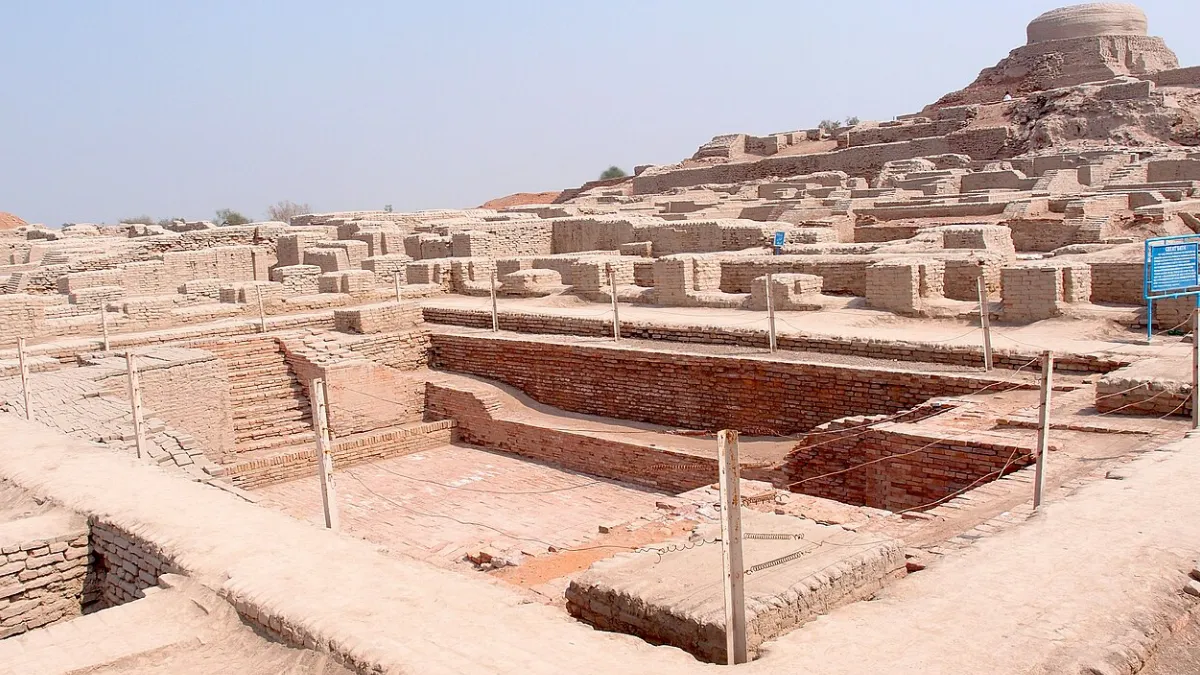
The harappan civilization stands among the earliest and most sophisticated urban cultures of the ancient world, known for its remarkable planning, architectural precision, and cultural depth. Emerging more than 4,500 years ago in the northwestern regions of the Indian subcontinent, this civilization continues to fascinate historians, archaeologists, and researchers who seek to understand how such an advanced society flourished long before many other well-known ancient cultures. The story of the harappan civilization is not merely a recounting of ruins and artifacts; it is a testament to the ingenuity of human communities that mastered urban life, trade networks, and craftsmanship with extraordinary finesse.
Origins and Geographic Spread
The harappan civilization developed in the vast floodplains formed by the Indus River and its tributaries. Its geographical stretch covered parts of present-day India, Pakistan, and Afghanistan, forming one of the largest Bronze Age civilizations in human history. Archaeologists often divide its timeline into the Early, Mature, and Late Harappan phases, each demonstrating visible transitions in settlement patterns, technological development, and cultural evolution.
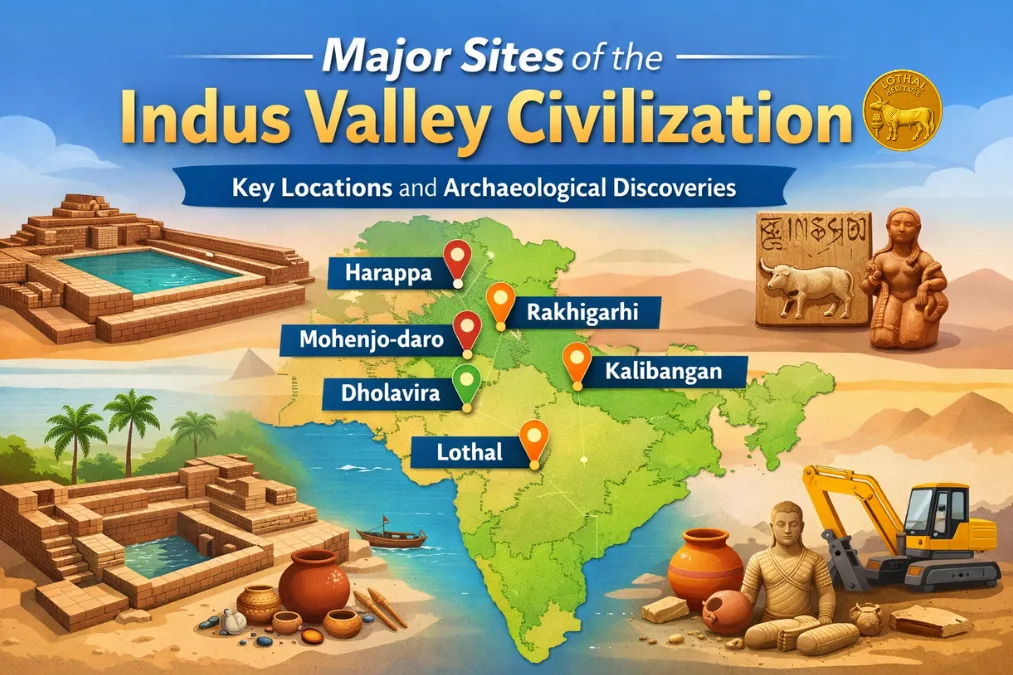
During the Mature Harappan phase, the civilization reached its peak, featuring well-organized cities like Mohenjo-daro, Harappa, Lothal, Kalibangan, Dholavira, Rakhigarhi, and others. These cities demonstrate a meticulous understanding of urban planning, including grid-based streets, standardized building materials, and advanced water-management systems.
Urban Planning and Architecture
One of the defining achievements of the harappan civilization was its exceptional urban planning. Cities were laid out with remarkable uniformity, revealing a centralized system of governance and civic management that prioritized functionality and order. Streets intersected at right angles, residential blocks were carefully organized, and drainage channels ran beneath the ground-features far ahead of their time.
Residential structures were typically built using baked bricks of standardized dimensions. Houses often included multi-room layouts, internal courtyards, private wells, and sophisticated drainage outlets. Public buildings, such as granaries, bath complexes, and assembly halls, indicate organized social life and collective responsibility.
The Great Bath of Mohenjo-daro remains one of the most iconic structures associated with the harappan civilization. Built with watertight brickwork and equipped with stairs, surrounding chambers, and a complex water-drainage system, it suggests ritualistic or communal bathing practices, symbolizing both cultural and architectural sophistication.
Society, Culture, and Daily Life
The social fabric of the harappan civilization was diverse yet harmonious. Although the exact hierarchy remains a subject of scholarly debate, evidence suggests a structured community with shared norms in architecture, art, religious symbols, and trade practices.
Daily life included a wide range of occupations: pottery-making, bead manufacturing, metallurgy, textile production, agriculture, and trading. Farmers grew wheat, barley, peas, sesame, and cotton-one of the earliest documented uses of cotton in the world. The presence of weights, seals, and standardized measures implies a regulated economic system with official oversight.
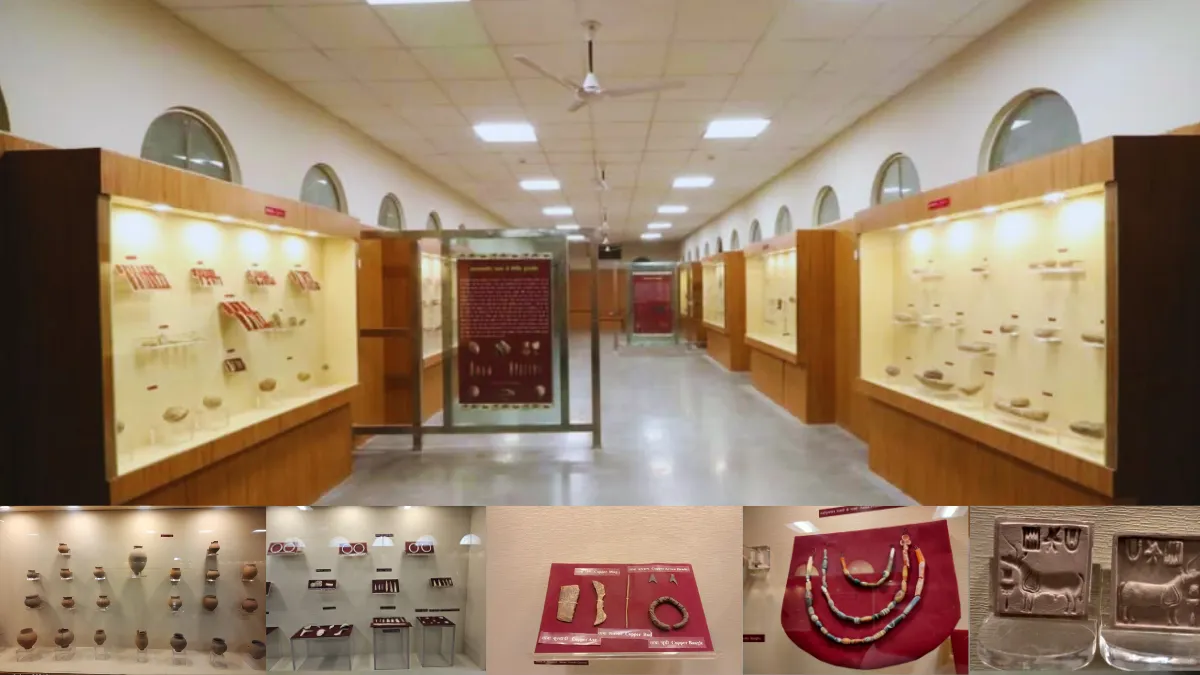
Art and craftsmanship thrived with distinct styles of pottery, terracotta figurines, carved seals, intricate beadwork, and metal artifacts made from copper, bronze, and occasionally gold. The famous “Dancing Girl” bronze figurine showcases the civilization’s artistic mastery and aesthetic sensibilities.
Trade Networks and Economic Strength
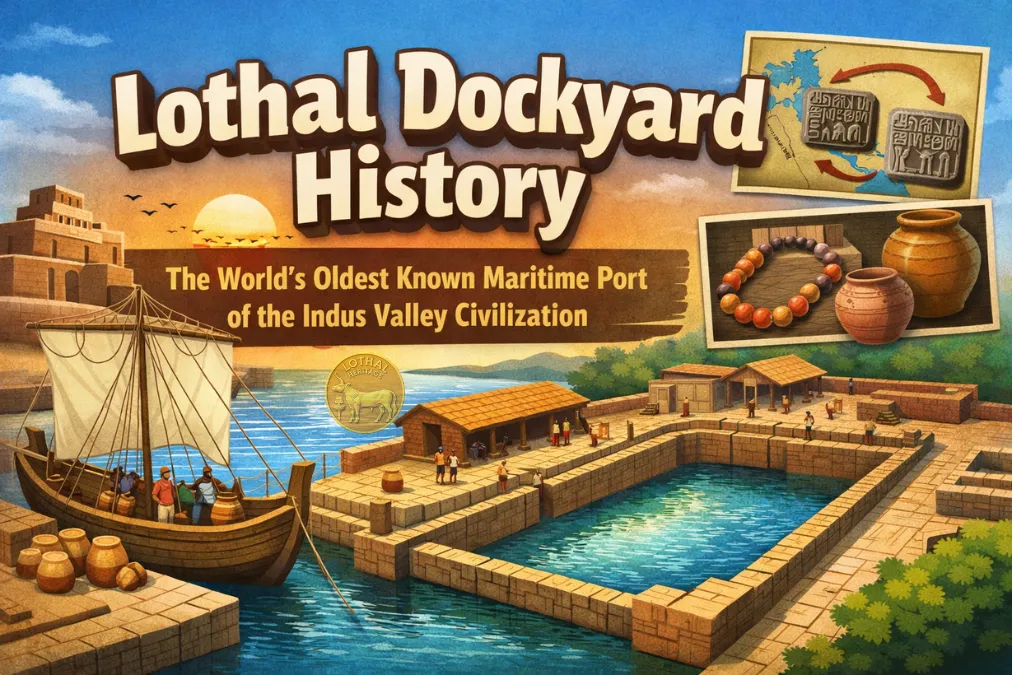
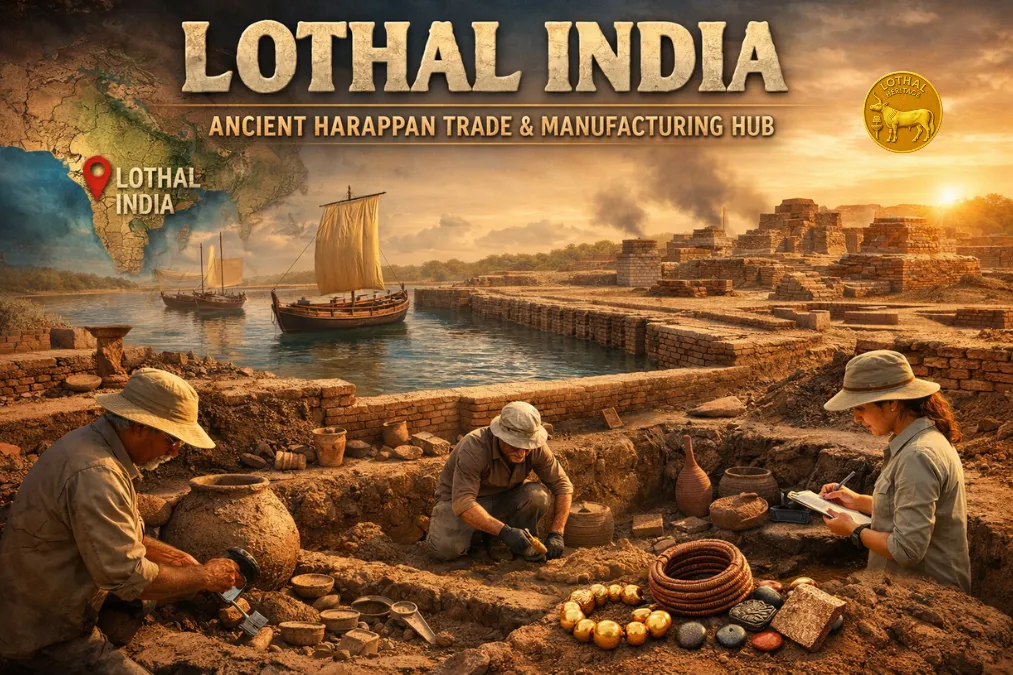
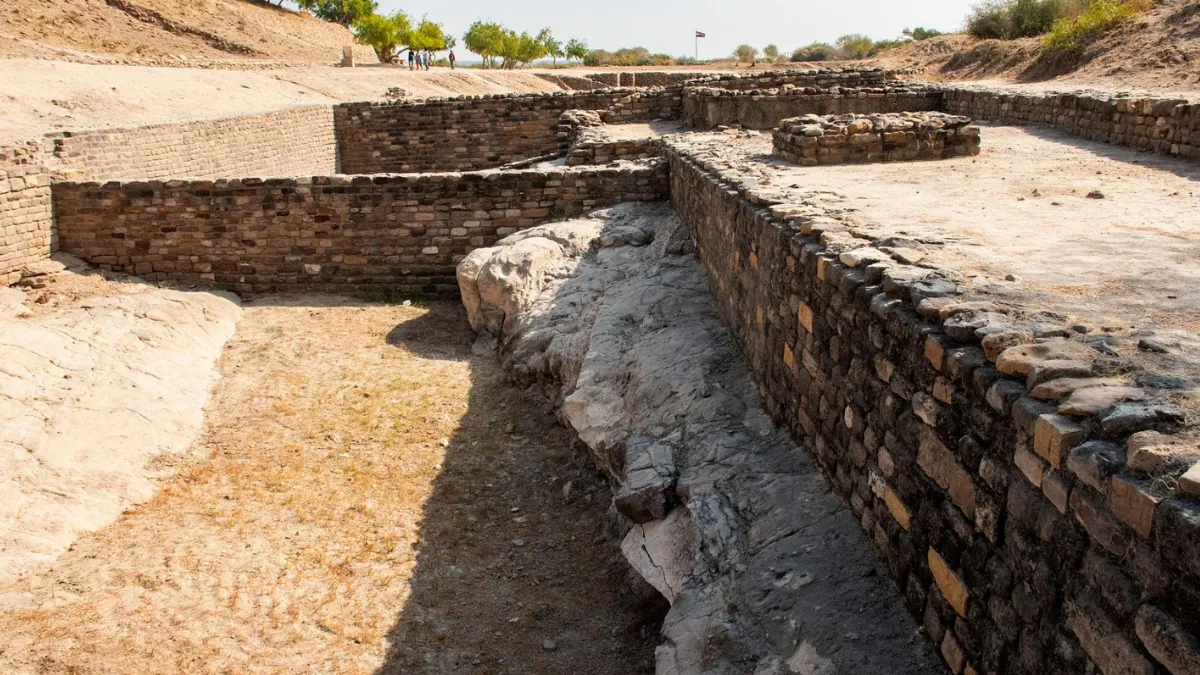
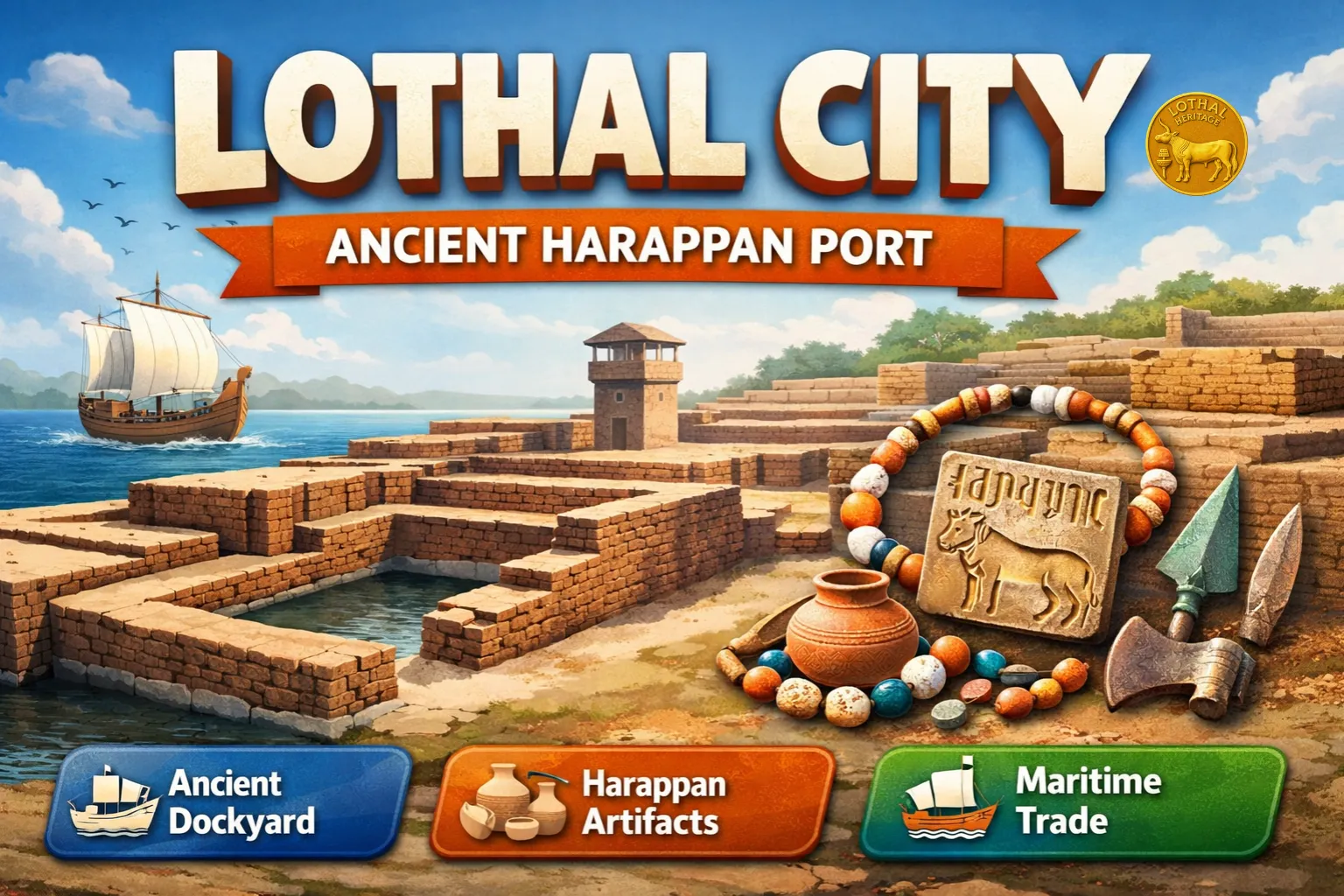
Trade formed an essential aspect of the harappan civilization’s growth. Both internal and external networks supported the exchange of goods, raw materials, and crafted items. The presence of Lothal’s dockyard-one of the earliest known in the world-reveals maritime activity connecting the region with Mesopotamia, modern-day Oman, Bahrain, and beyond.
Harappan merchants traded beads, cotton textiles, pottery, timber, and semi-precious stones. In return, they imported metals such as copper and tin, which were scarce in the Indus region but vital for bronze production.
The use of seals with engraved scripts and animal motifs points toward a system of identification, authentication, or administrative control in trade. Though the script remains undeciphered, its uniformity across various sites indicates a shared communication method throughout the civilization.
Religion and Beliefs
The harappan civilization practiced a belief system centered on nature, fertility, and symbolic representations. Terracotta figurines of what appear to be mother goddesses suggest the celebration of fertility or agricultural prosperity. The presence of animal motifs-unicorns, bulls, elephants, rhinoceroses-on seals indicates spiritual or symbolic significance, possibly linked to clan identities or protective deities.
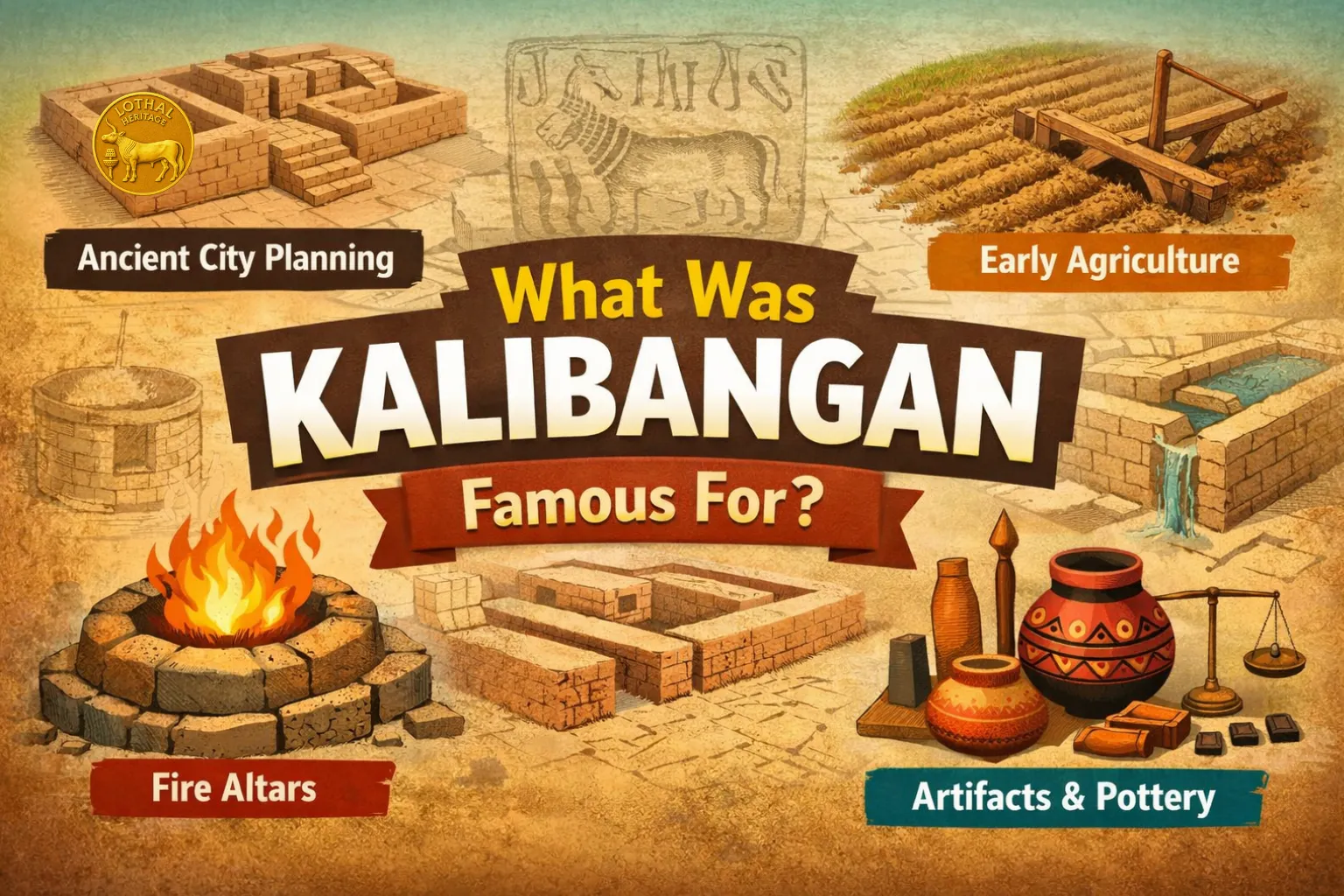
Fire altars at sites like Kalibangan reveal ritual practices, while the Great Bath points to ceremonial cleansing. Despite these clues, there is no conclusive evidence about the presence of temples or priests, leaving much of their religious life open to interpretation.
Harappan Script and Intellectual Achievements
The script of the harappan civilization remains one of archaeology’s greatest mysteries. Found on seals, pottery, and tablets, the symbols consist of pictographs arranged in short sequences. Although scholars have proposed various interpretations, no universally accepted translation has emerged. The undeciphered script continues to challenge linguists and historians, adding an element of intrigue to the civilization.
Intellectual achievements extended to mathematics, measurement systems, and structural engineering. The standardized brick sizes and weight systems demonstrate precision and scientific temperament, suggesting centralized control or widespread adherence to shared norms.
Decline of the Civilization
The decline of the harappan civilization around 1900 BCE has been a subject of extensive research and debate. Several theories have emerged, ranging from climate change and river shifts to declining trade and socio-economic transformations.
One of the widely accepted explanations involves the gradual drying of the Ghaggar-Hakra river system, which provided essential water resources for many settlements. Changing monsoon patterns and possible tectonic activity may have further contributed to agricultural decline and migration.
As trade with Mesopotamia diminished, the economic foundation of urban centers weakened. The Late Harappan phase witnessed the abandonment of major cities, population dispersal toward smaller settlements, and a shift toward rural lifestyles. Despite this decline, cultural elements continued in various forms across northern India for centuries.
Key Harappan Sites and Their Significance
Below is a simple table summarizing some major sites of the harappan civilization and their unique characteristics:
| Site Name | Present Location | Key Features |
|---|---|---|
| Mohenjo-daro | Sindh, Pakistan | Great Bath, advanced drainage, planned streets |
| Harappa | Punjab, Pakistan | Granaries, seals, urban planning |
| Lothal | Gujarat, India | Dockyard, bead workshops, maritime trade |
| Dholavira | Gujarat, India | Water reservoirs, city gates, inscriptions |
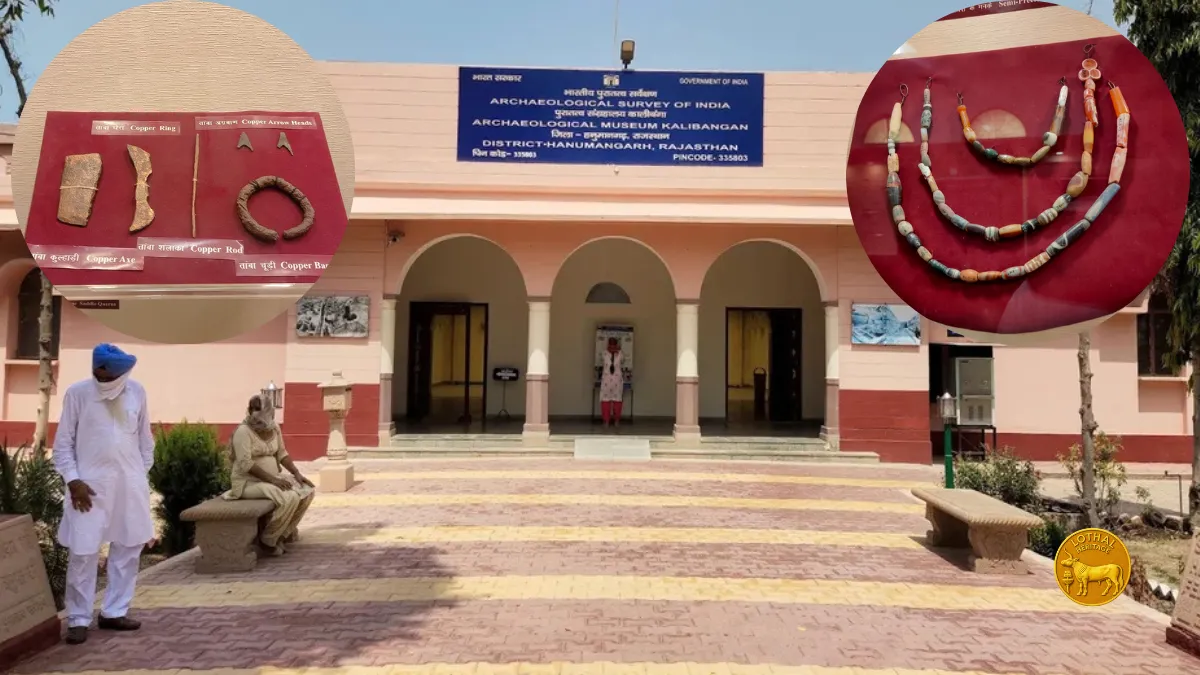
| Kalibangan | Rajasthan, India | Fire altars, early ploughed fields |
| Rakhigarhi | Haryana, India | Largest known Harappan settlement in India |
Technological Innovations
The technological achievements of the harappan civilization speak volumes about their engineering capabilities. Their drainage systems were among the most advanced of the ancient world, with interconnected underground channels and inspection pits. The widespread use of baked bricks with specific dimensions suggests a sophisticated manufacturing process.
Metallurgy flourished through bronze tools, weapons, and ornaments. The bead-making industry utilized materials like carnelian, agate, and steatite, showcasing precision cutting and polishing techniques.
Their knowledge of standardization, weights, and measures demonstrates a well-organized economic system that relied on consistent practices. Such scientific discipline reflects a civilization deeply invested in order, efficiency, and long-term sustainability.
Also read: Indus Valley Civilisation: Tracing the Legacy of an Ancient Urban World
Legacy and Continuing Research
The legacy of the harappan civilization extends far beyond its archaeological remains. Its urban planning principles-grid systems, waste management, standardized construction, and public amenities-continue to inspire modern urban development. The civilization established early templates of city organization that resonate with contemporary planning concepts.
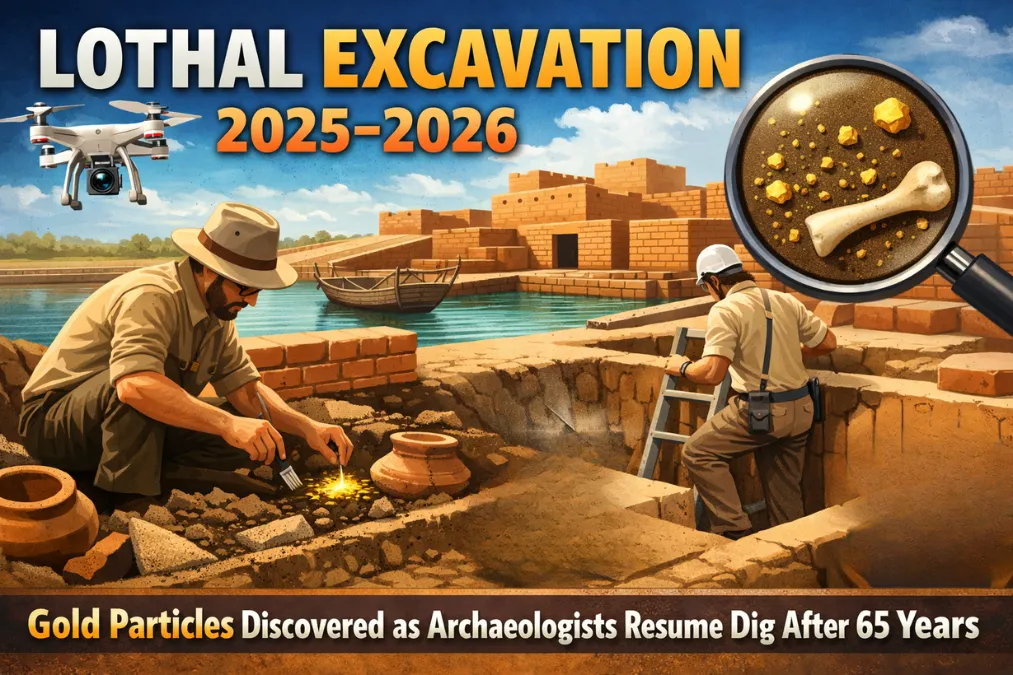
Ongoing excavations and research continue to shed light on new facets of Harappan society. Sites like Rakhigarhi and Dholavira are still revealing intricate details about settlement patterns, water management, and burial practices. Advances in scientific technologies, including DNA analysis, satellite imagery, and chemical testing, are helping researchers reconstruct aspects of daily life, trade routes, and population movements.
As discoveries continue, the narrative of the harappan civilization becomes richer and more nuanced, offering glimpses into a world that once thrived with remarkable intelligence and unity.
Economic Structure of the Harappan Civilization
The economic foundation of the harappan civilization relied on a well-balanced combination of agriculture, craftsmanship, and extensive trade networks. Their economic strategies highlight not only material prosperity but also organized governance and communal effort. The interplay of farming, industrial production, and long-distance commerce shaped the civilization into an influential center of ancient economic activity.
Also read: Harappan Port City Lothal: Unearthing the Legacy of the World’s Earliest Known Tidal Dockyard
Conclusion
The harappan civilization remains one of humanity’s most extraordinary achievements. Its influence spans architecture, urban planning, resource management, and cultural expression. Even without deciphering its script, the civilization speaks through its resilient structures, intricate artwork, and silent yet profound artistry imprinted on seals, pottery, and monuments.
As new findings emerge, scholars are continuously reminded that the harappan civilization was not just a cluster of ancient cities-it was a dynamic, interconnected world where people built, traded, worshipped, and thrived with remarkable harmony. Its legacy continues to inspire, offering enduring lessons about human innovation and the timeless pursuit of collective progress.