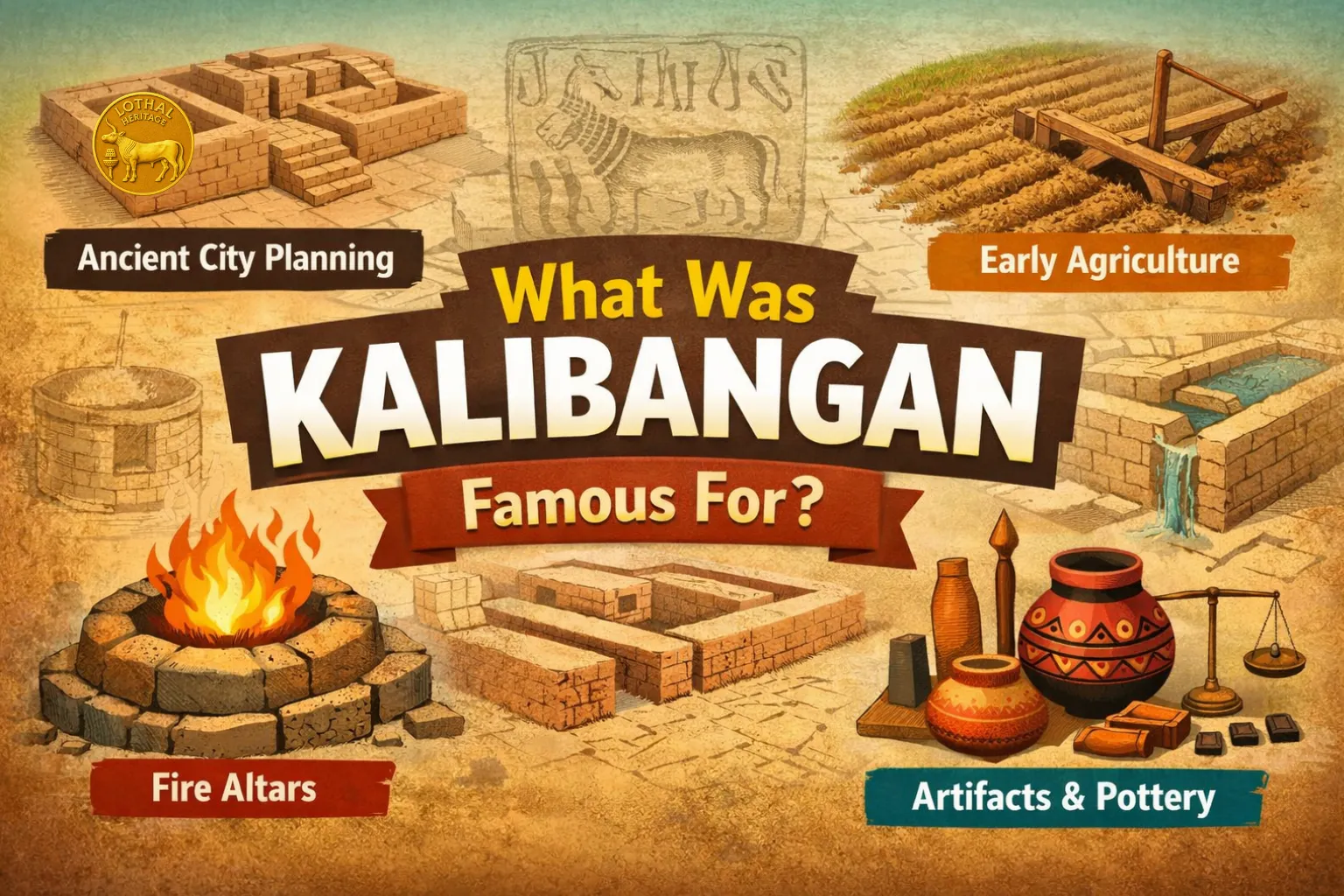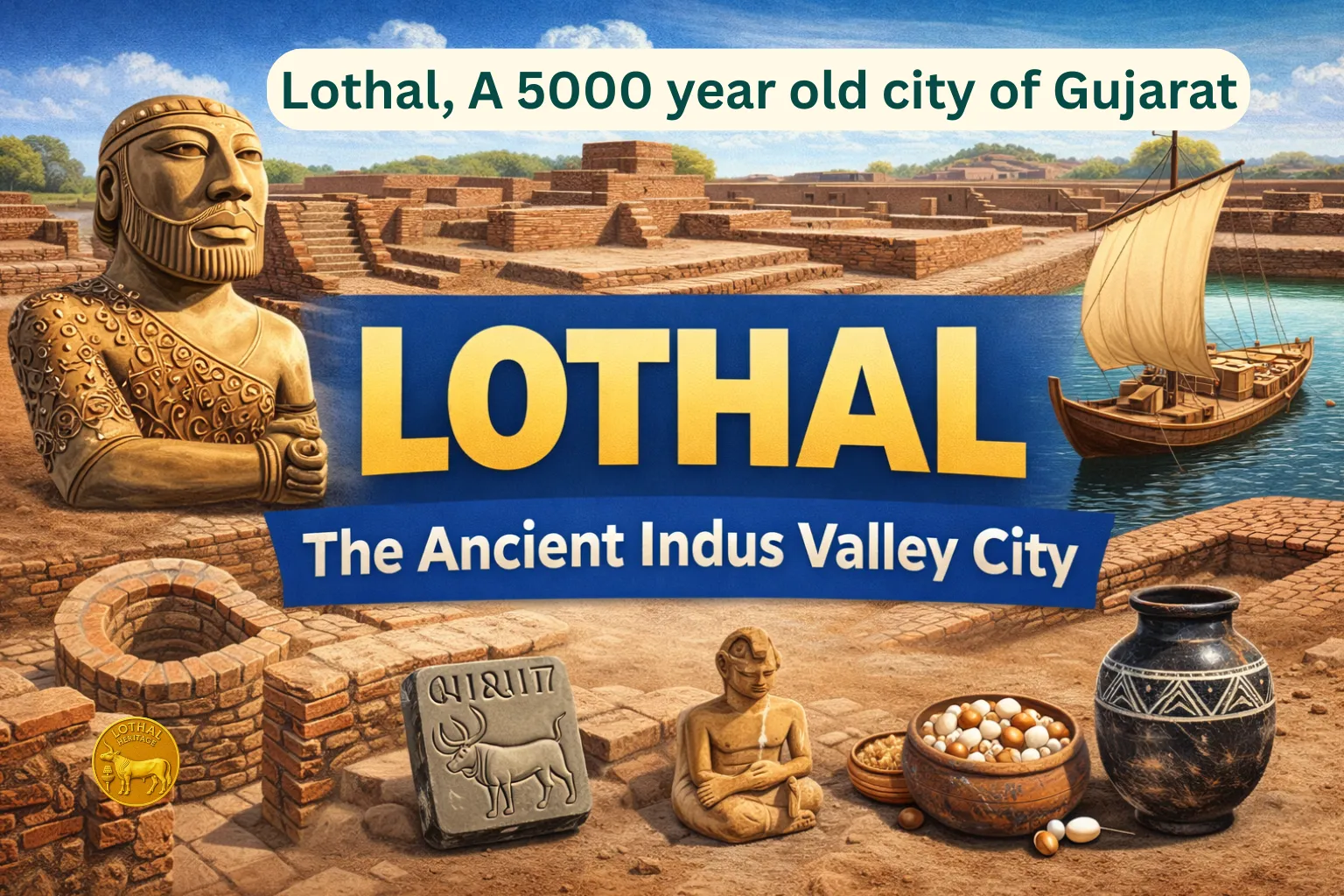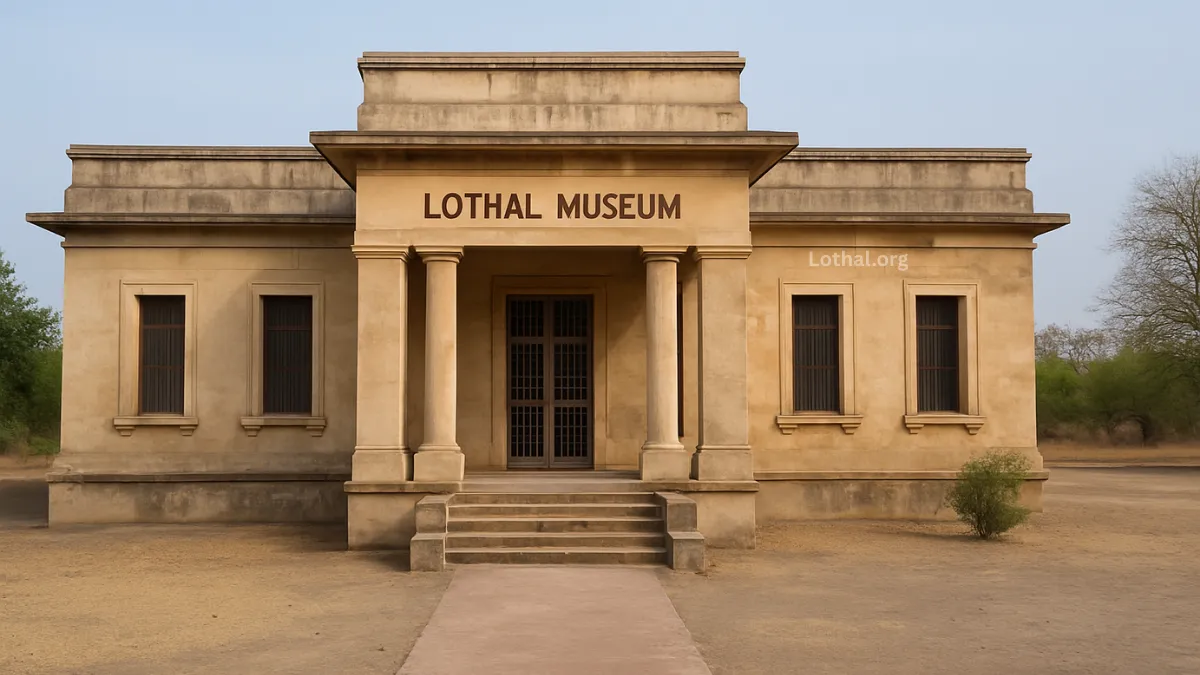
The Lothal Museum stands as one of India’s most significant windows into the world of the ancient Indus Valley Civilization. Located in Gujarat, it preserves remarkable evidence of a sophisticated maritime, urban, and cultural system that thrived over 45,00 years ago. The museum was established to protect and display the archaeological discoveries unearthed at the nearby Lothal site, and today it continues to attract historians, researchers, and travelers seeking insight into this remarkable chapter of early human history.
The Lothal Museum offers visitors an extraordinary opportunity to understand how one of the world’s oldest civilizations functioned with advanced knowledge in town planning, trade, craftsmanship, and technology. From artifacts that reveal daily lifestyles to remnants of trade networks that stretched far beyond the Indian subcontinent, the museum’s collections reflect the depth and complexity of this ancient society.
The Origins and Purpose of the Lothal Museum
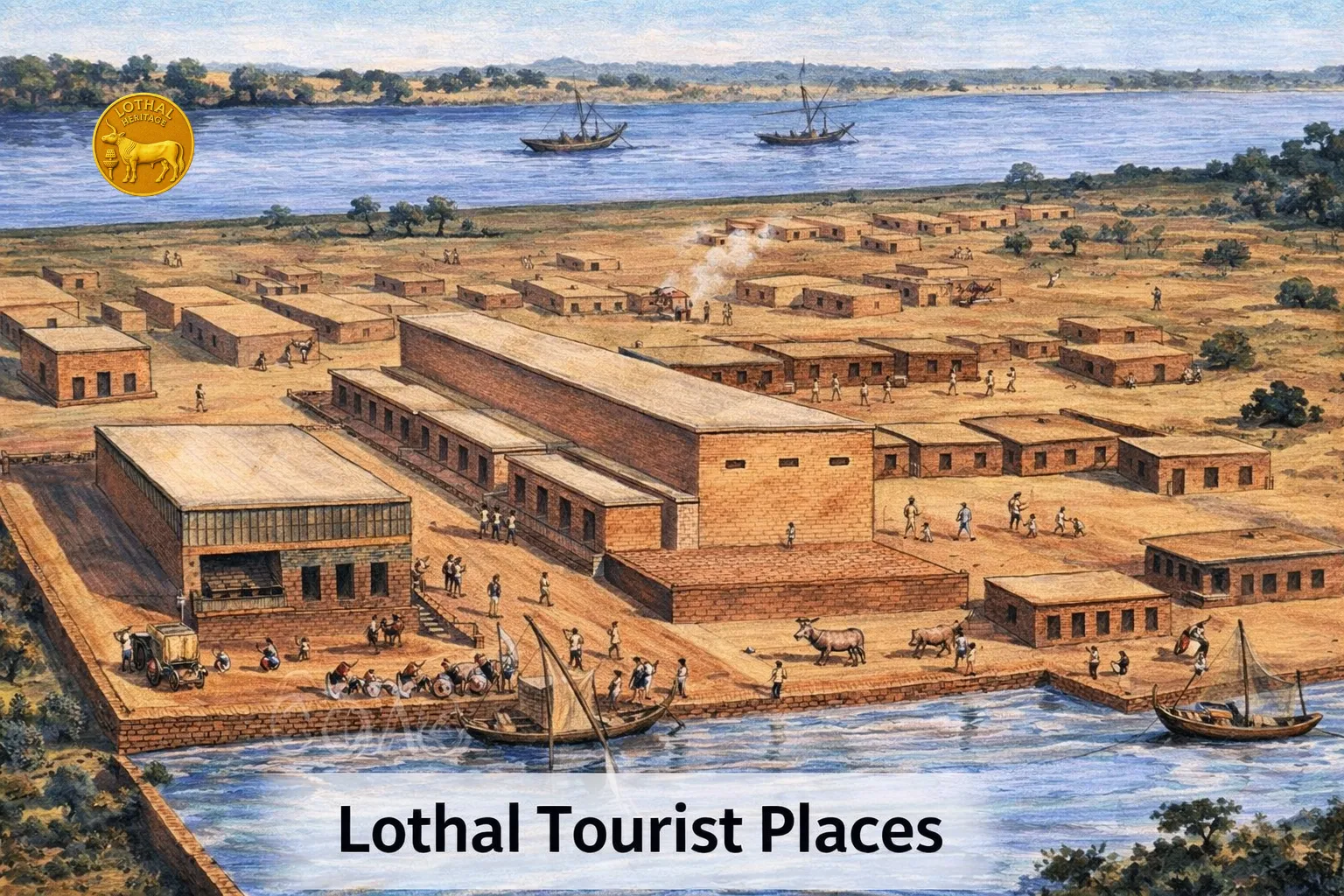
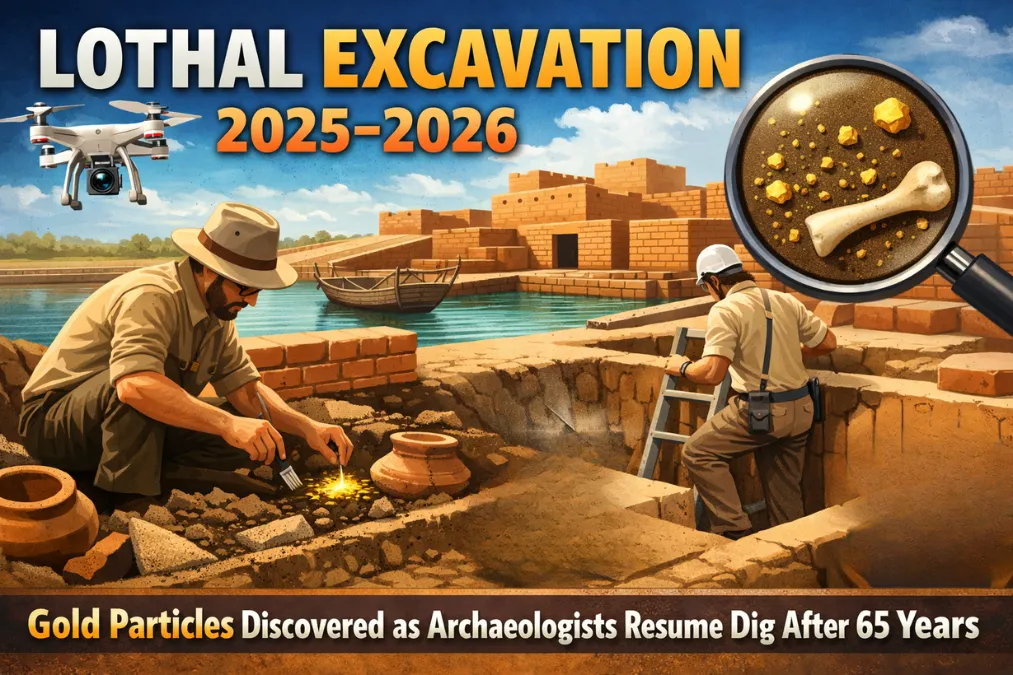
When the archaeological excavation of Lothal began in the 1950s under the Archaeological Survey of India (ASI), experts soon realized that the site was immensely important. It provided evidence of a dockyard, meticulous drainage systems, workshops, and a thriving trade hub that connected India with regions such as Mesopotamia. To preserve and interpret these discoveries, the Lothal Museum was established in 1976.
The museum’s primary aim was to make these artifacts accessible to the general public while maintaining a space for ongoing research. Over time, the Lothal Museum has evolved into a key educational center, supporting students, history enthusiasts, and scholars as they explore the intricacies of a civilization that was far ahead of its time. Today, it stands as both a historical archive and a cultural symbol of India’s rich archaeological heritage.
What Visitors Can Expect Inside the Lothal Museum
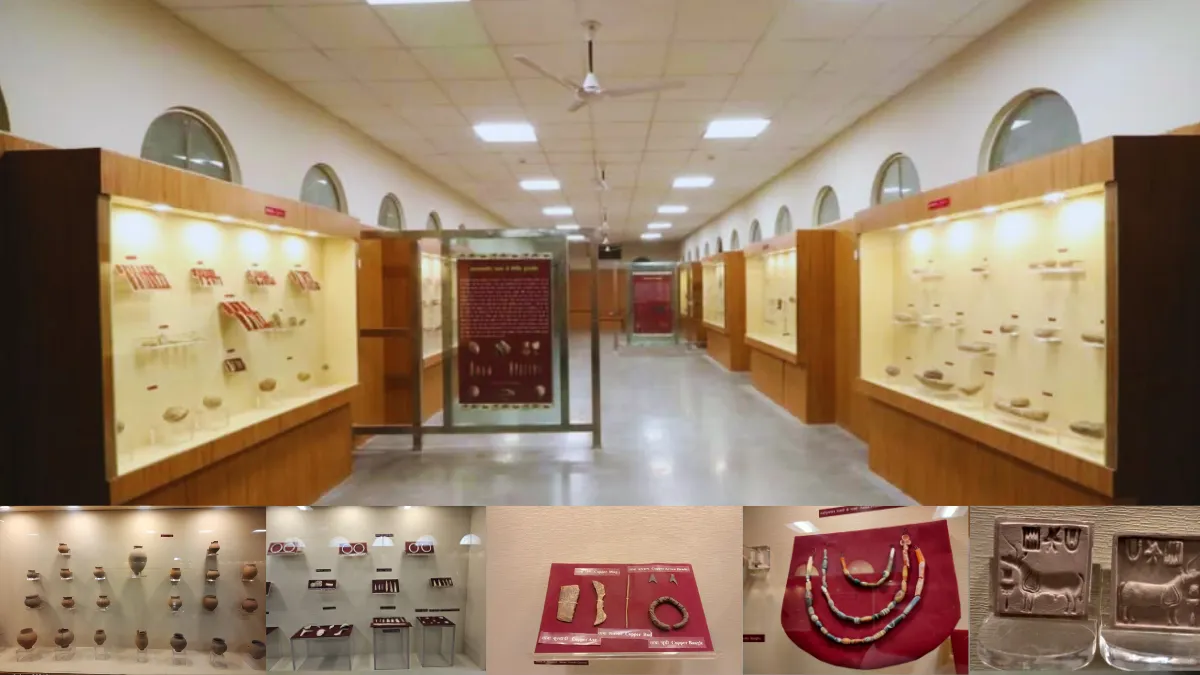
Inside the Lothal Museum, visitors encounter a thoughtfully curated collection arranged in two main galleries. The displays are organized to reflect different aspects of life in Lothal—trade, craftsmanship, domestic living, and maritime activity.
One of the most fascinating aspects of the museum is its inclusion of tools, ornaments, seals, ceramics, and household items that paint a picture of everyday existence. The craftsmanship of bead-making, metallurgy, pottery design, and shell-working found in these exhibits highlights the remarkable skill and innovation of the people living in Lothal.
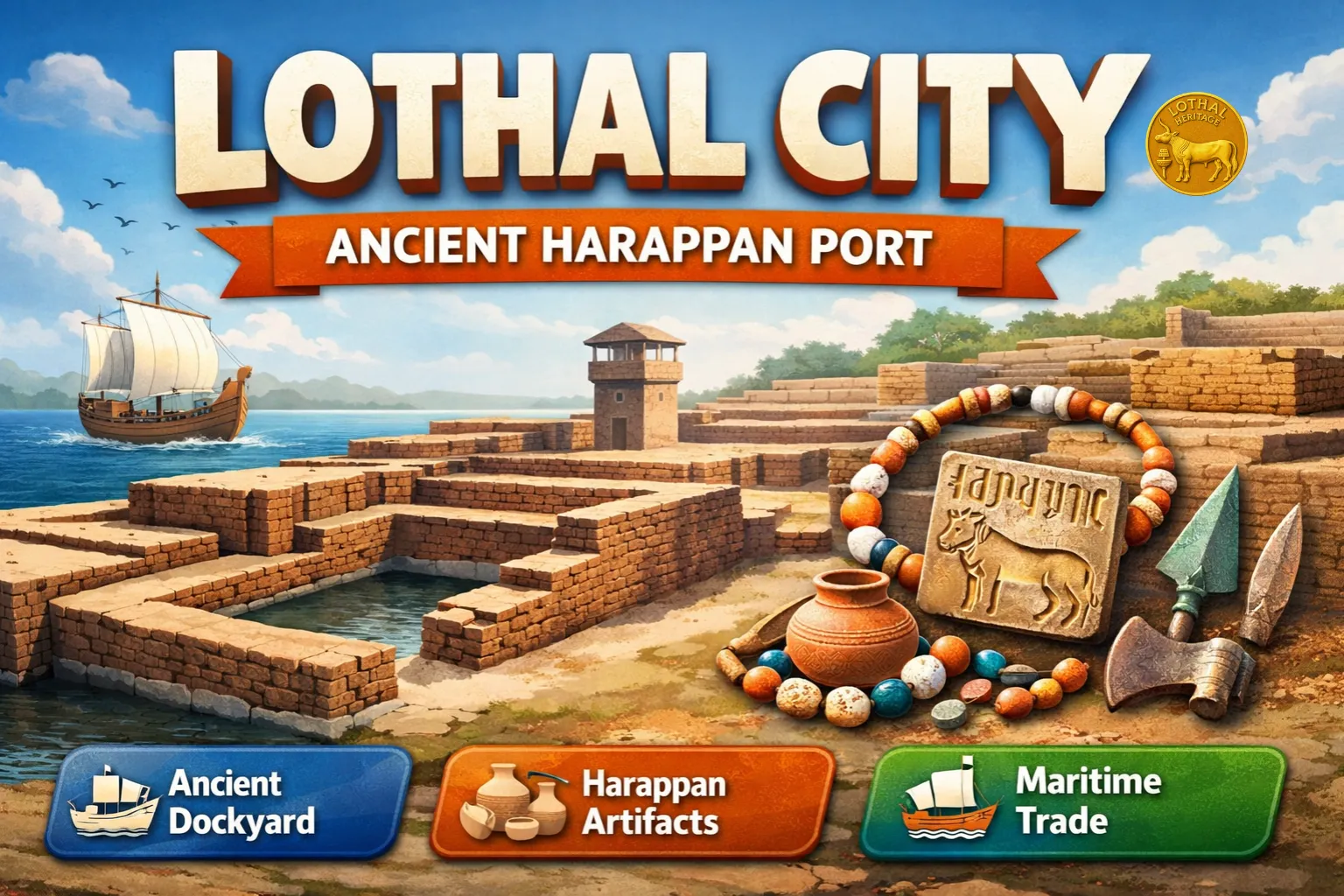
Another key attraction is the model recreation of the original brick-built dockyard, considered one of the earliest of its kind in the world. This exhibit helps visitors visualize how Lothal functioned as a major port town and how maritime trade contributed to the economy of the Indus Valley Civilization.
The Significance of Lothal in Maritime History
One of the reasons the Lothal Museum holds such global importance is its connection with the earliest known evidence of an ancient dockyard. This suggests that Lothal was not just a local center of trade but part of an expansive international network. Goods such as beads, metals, semi-precious stones, and pottery were exported, while materials like copper and other raw resources were imported.
Through exhibits at the Lothal Museum, visitors gain insight into how merchants maintained relationships with traders from distant lands. The presence of seals with inscriptions shows the use of identification marks, which played a crucial role in commercial documentation and trade authenticity. These findings underscore the fact that the Indus Valley Civilization had developed forms of economic organization far earlier than many other societies.
Highlights of the Collection at the Lothal Museum
The museum’s inventory includes hundreds of artifacts, many of which belong to the Mature Harappan period. Each object narrates a story—about craftsmanship, social structure, technological advancement, or cultural expression.
Among the standout pieces are:
- Terracotta figurines that hint at social activities and symbolic practices.
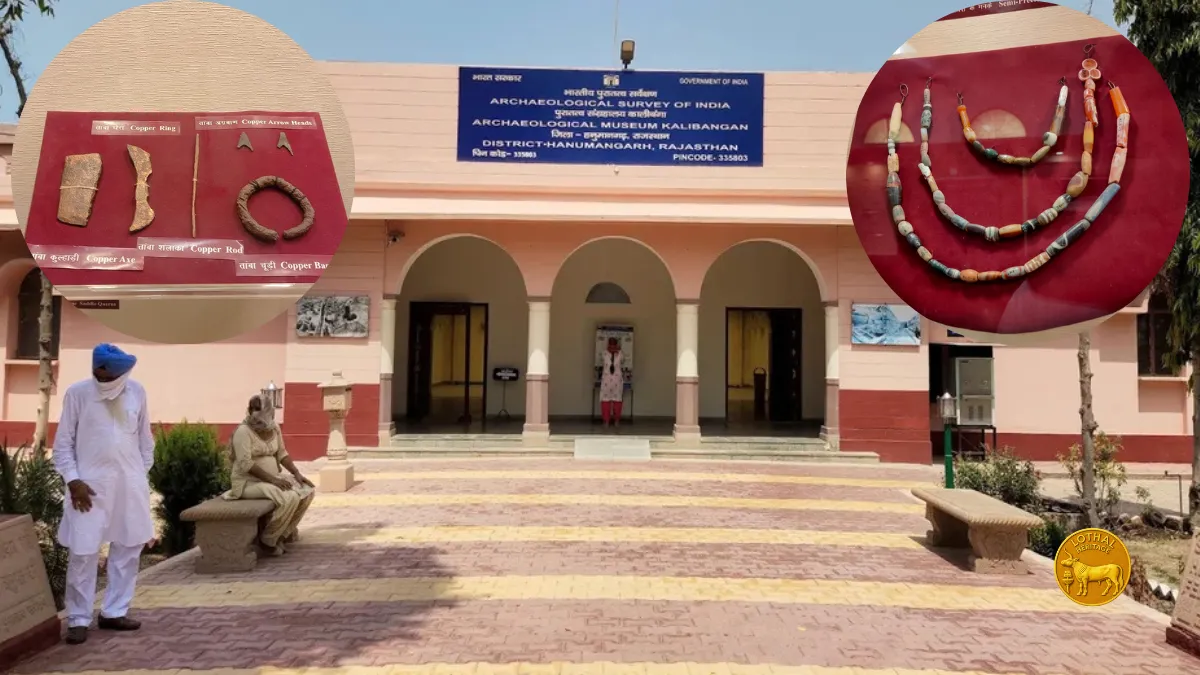
- Bead jewelry made of carnelian, agate, and faience, reflecting the mastery of ancient craftsmen.
- Pottery adorned with intricate designs, likely used for storage and ritual ceremonies.
- Copper tools and implements that reveal metallurgical expertise.
- Stone weights used for standardized measurement, showcasing a sophisticated economic system.
These items demonstrate that the inhabitants of Lothal were not only skilled artisans but also innovators who developed systems to support large-scale commerce.
A Quick Overview of Key Information
Below is a simplified table summarizing essential details about the museum for visitors and researchers:
| Aspect | Details |
|---|---|
| Name | Lothal Museum |
| Location | Near Saragwala Village, Ahmedabad District, Gujarat |
| Established | 1976 |
| Managed By | Archaeological Survey of India |
| Key Exhibits | Dockyard model, seals, beads, terracotta objects, pottery |
| Main Focus | Indus Valley Civilization site of Lothal |
| Nearby Attraction | Excavated archaeological site of Lothal |
Education and Research at the Lothal Museum
Beyond serving as a venue for public exhibitions, the Lothal Museum also supports academic work. Scholars studying early urban planning, ancient trade, or Harappan culture regularly visit the museum for research. By granting access to well-preserved objects and excavation records, the museum contributes to a deeper global understanding of early civilizations.
Students visiting with educational groups receive valuable context about heritage preservation, archaeological methods, and the broader importance of cultural conservation. This makes the Lothal Museum an essential destination for academic enrichment.
How the Lothal Museum Preserves Cultural Heritage
The preservation of fragile artifacts is one of the museum’s most important responsibilities. Items found during excavations are carefully treated and stored under controlled conditions to prevent damage from humidity, light, or handling. By maintaining these objects, the Lothal Museum ensures that future generations will continue to learn from these windows into ancient life.
Additionally, interpretive panels and informative displays help simplify complex archaeological findings so that visitors without specialized knowledge can still gain meaningful insights. The museum thus acts not only as a custodian of history but also as an accessible bridge between ancient discoveries and modern understanding.
Also read: Archaeological site museum lothal: Exploring India’s Ancient Maritime Legacy
Why the Lothal Museum Matters Today
In an era where rapid technological and cultural changes can sometimes obscure historical awareness, the Lothal Museum serves as a reminder of humanity’s long-standing capacity for innovation. The museum showcases achievements in engineering, trade, and craftsmanship that occurred millennia before modern societies emerged.
The site’s emphasis on maritime activity also highlights the deep roots of India’s trading traditions. For contemporary audiences, this provides a sense of continuity and pride in the country’s historic role in global commerce.
Moreover, by studying the rise and decline of civilizations like Lothal, researchers gain insight into environmental challenges, urban planning, and cultural resilience—topics that remain highly relevant today.
Also read: What Is Lothal: Exploring One of the World’s Earliest Urban Civilisations
Visiting the Lothal Museum
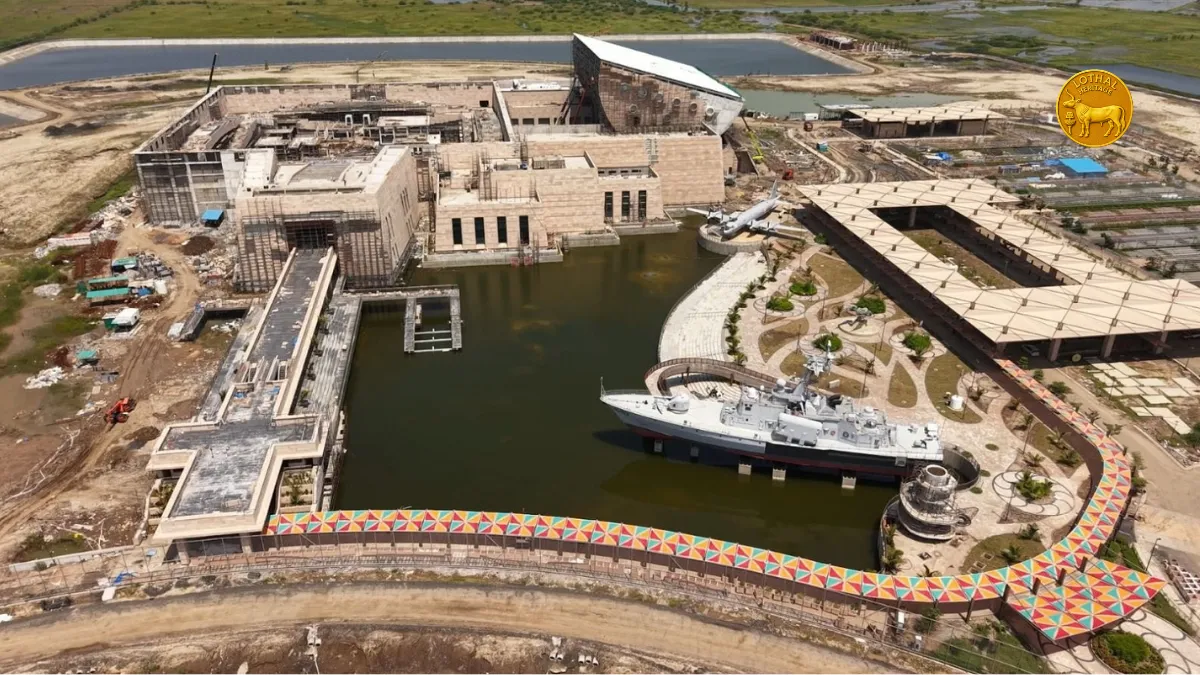
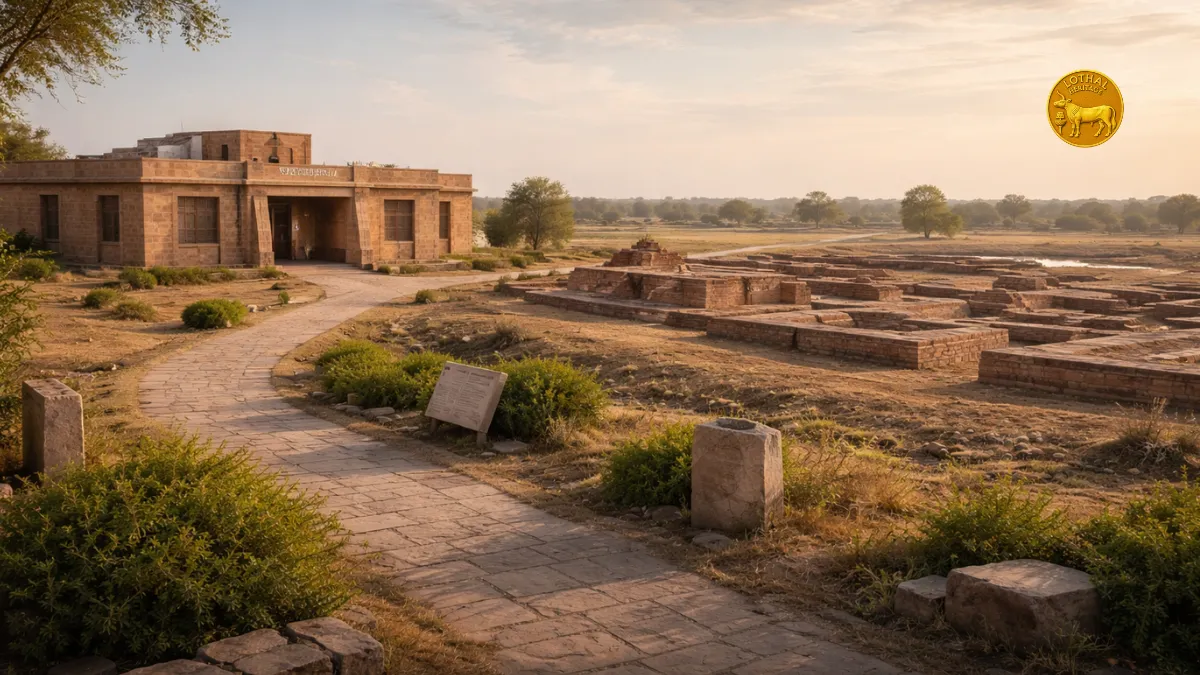
A visit to the Lothal Museum is a journey into the heart of ancient India. Travelers can walk through the museum galleries and then step outside to explore the excavated site, where the original dockyard, warehouses, wells, and drainage systems still stand. Together, the museum and site offer a comprehensive and immersive understanding of the Indus Valley Civilization.
For anyone interested in archaeology, heritage, or ancient cultures, the Lothal Museum is an essential destination. Its contribution to preserving and interpreting early human history ensures that the legacy of Lothal continues to inspire curiosity, learning, and appreciation for one of the world’s greatest ancient civilizations.