The Indus Valley Civilisation stands as one of the earliest and most sophisticated urban cultures in human history. Emerging more than four thousand years ago, it developed along the fertile plains of the Indus River and its tributaries, leaving behind an extraordinary archaeological record that continues to shape our understanding of early city life, social organisation, and technological innovation. The story of this civilisation is not merely about ancient ruins; it is about a remarkable human achievement that flourished long before many other great cultures of the world began.
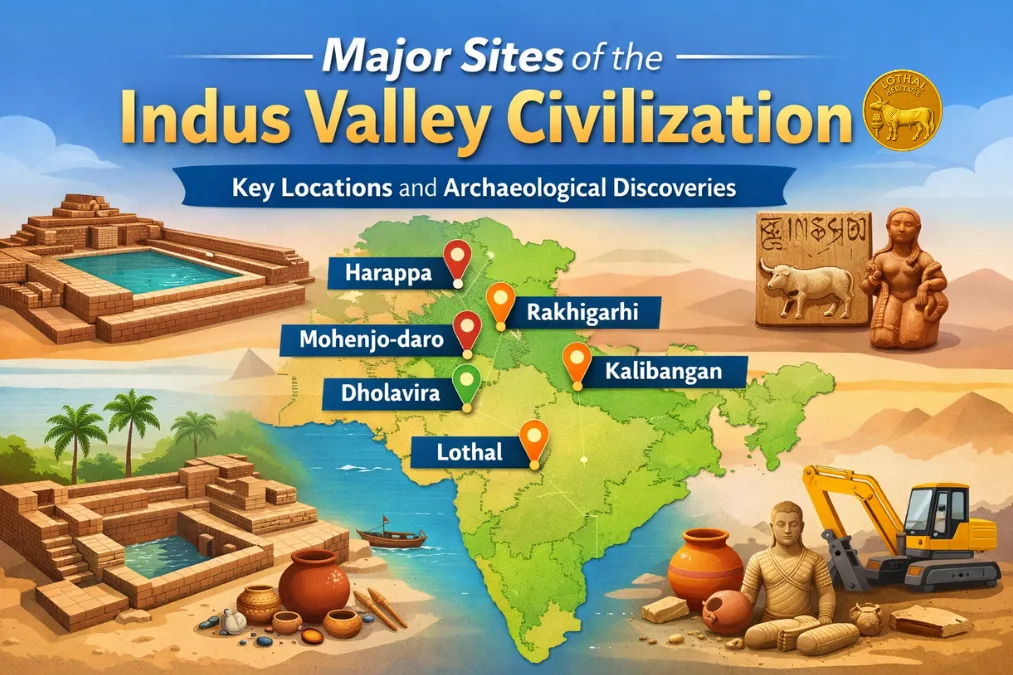
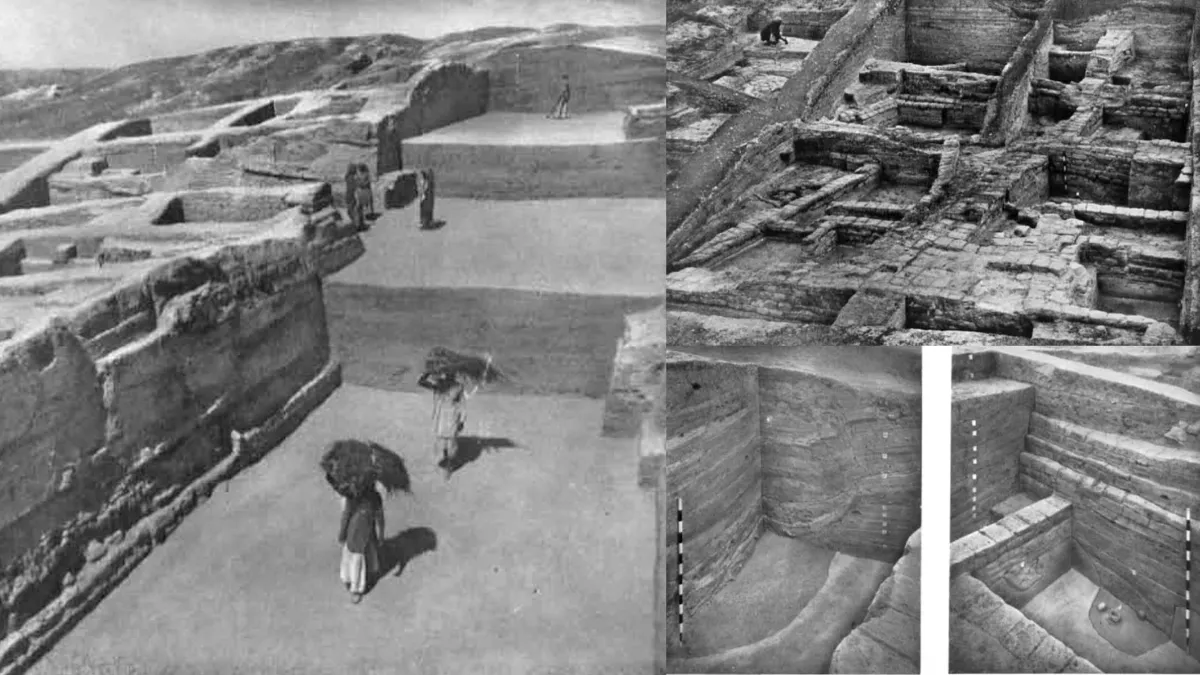
Archaeologists discovered the Indus Valley Civilisation in the early twentieth century, and the findings immediately changed the timeline of South Asian history. Excavations at Harappa, Mohenjo-daro, Dholavira, Lothal, and several other sites revealed planned cities, advanced drainage systems, maritime trade centres, and a distinctive cultural identity. These discoveries challenged the long-held belief that early urbanism was restricted to Mesopotamia and Egypt alone. Instead, they revealed a civilisation that was equally advanced, with its own architectural language, economic networks, and artistic style.
Origins and Geographical Spread
The Indus Valley Civilisation grew in the northwestern regions of the Indian subcontinent, covering areas that now fall within Pakistan, western India, and parts of Afghanistan. Scholars often classify it into three phases: Early, Mature, and Late Harappan periods. The Mature Harappan phase, roughly between 2600 and 1900 BCE, represents the peak of urban development when the major cities flourished.
Its geographical spread demonstrates an impressive level of organisation. More than a thousand settlements have been identified, ranging from small agricultural villages to large, well-planned cities. These locations were strategically chosen along rivers, trade routes, and coastal areas, suggesting sophisticated planning even at the regional level. The civilisation’s reach extended from the foothills of the Himalayas to the shores of the Arabian Sea, making it one of the largest early civilisations in area.
Defining Features of Urban Planning
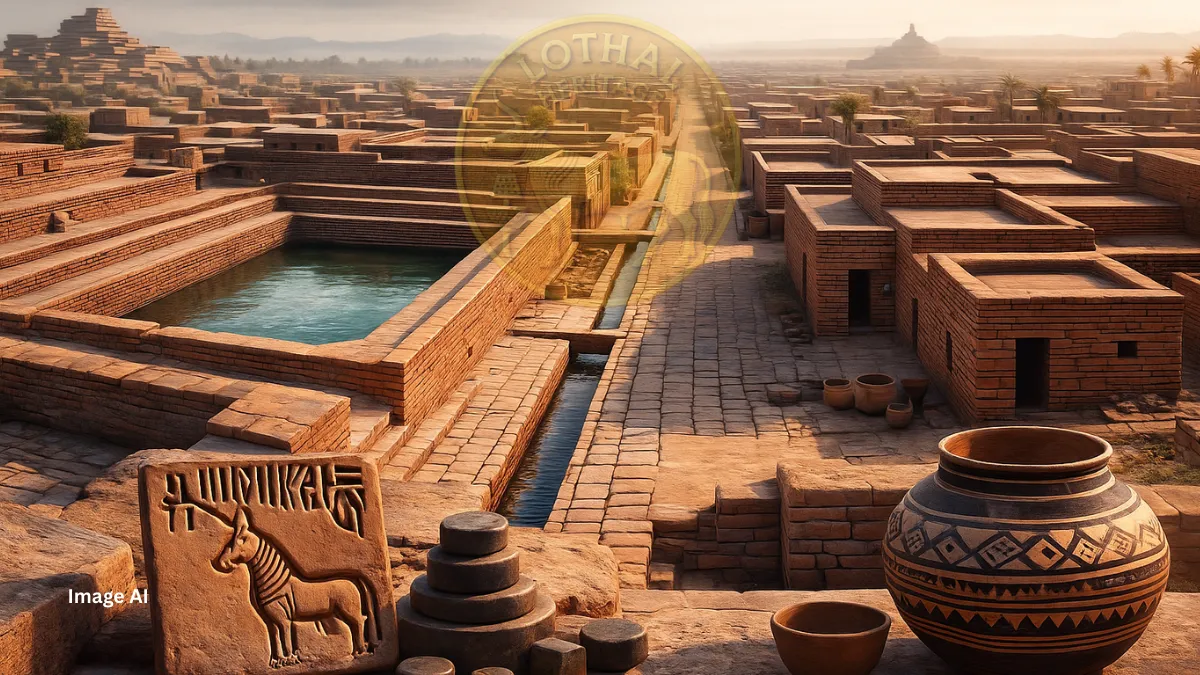
One of the most impressive aspects of the Indus Valley Civilisation is its emphasis on town planning. The cities did not grow organically but appear to have been designed before construction. Streets intersected at right angles, creating a grid pattern that is still considered a hallmark of organised urban design. Houses were built with uniformly sized baked bricks, indicating standardisation and quality control.
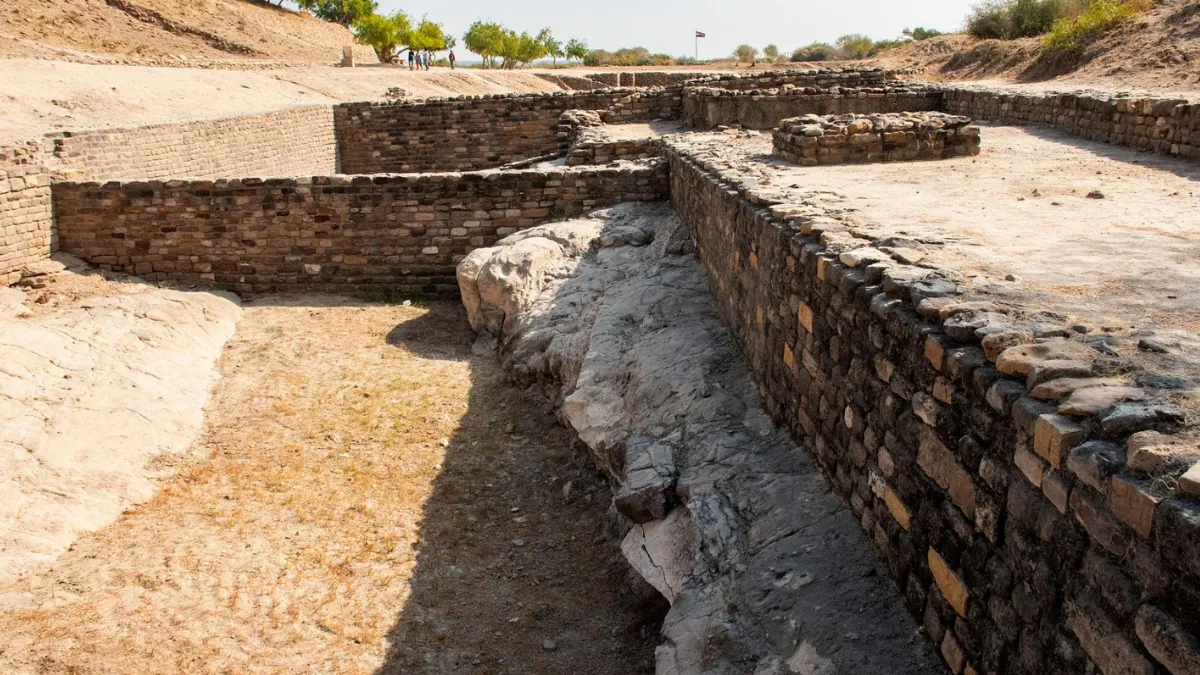
The drainage system stands out as a technological marvel. Almost every house had access to a private bathroom connected to covered drains that ran beneath the streets. This feature suggests an advanced understanding of sanitation rarely seen in other civilisations of the same era. Public wells, granaries, assembly halls, and citadels further reflect the civic planning and administrative capabilities of the Harappans.
Economy, Craftsmanship, and Trade Networks
The economy of the Indus Valley Civilisation was diverse and robust. Agriculture formed the backbone, with wheat, barley, millets, and various legumes cultivated extensively. The presence of irrigation and water management systems suggests that the people possessed knowledge of seasonal cycles and agricultural science.
Craftsmanship flourished as well. Archaeological findings include jewellery made of gold, silver, and semi-precious stones; intricately designed pottery; shell and ivory work; and specialised tools. The uniformity in weights and measures points toward regulated economic practices.
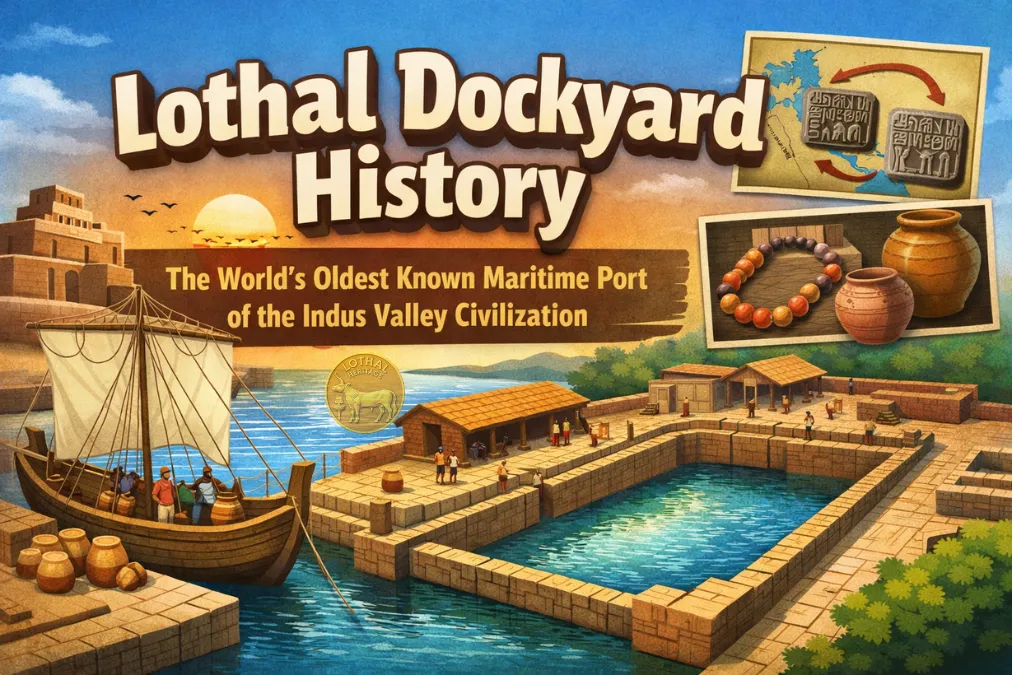
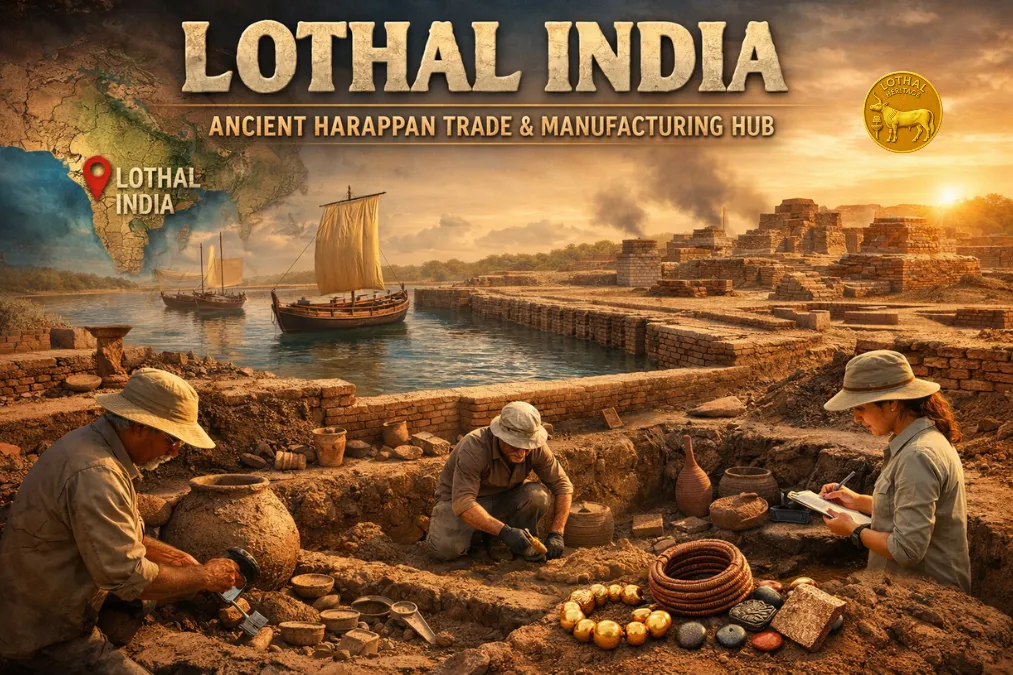
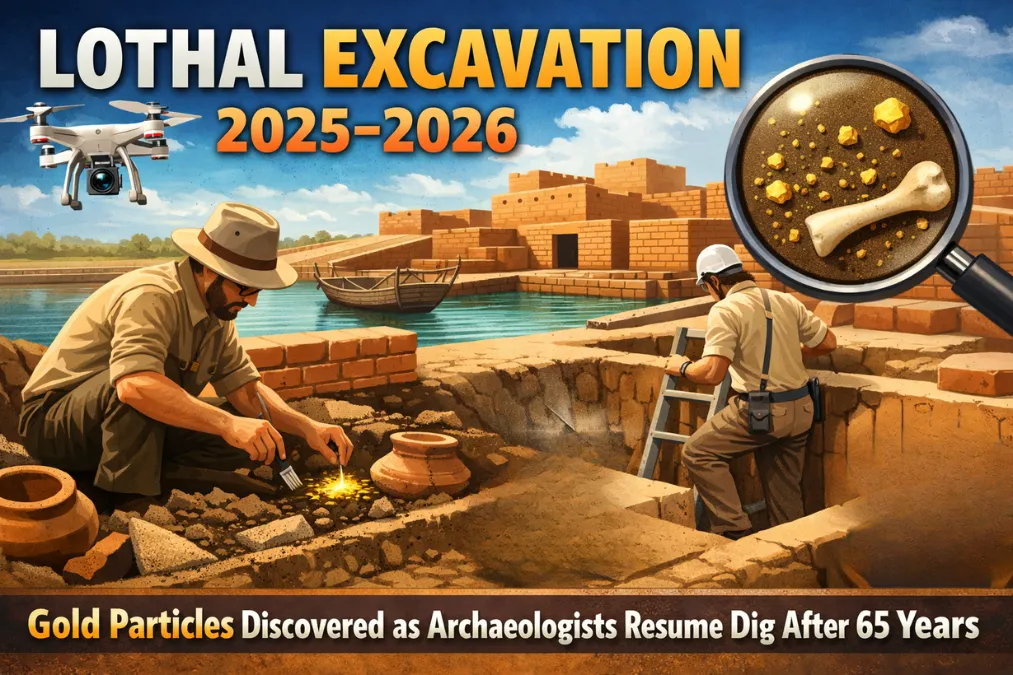
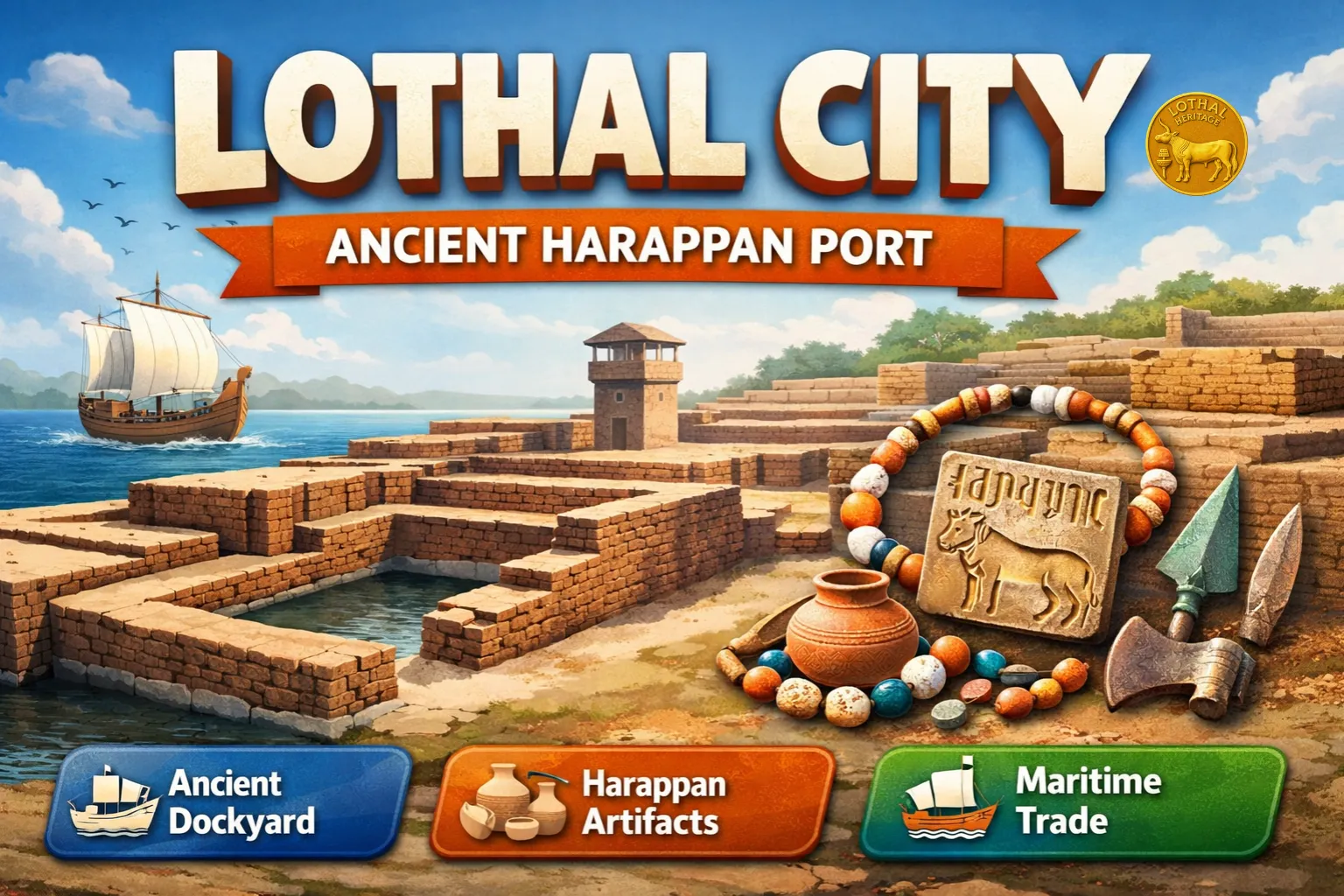
Trade played a crucial role in sustaining the cities. Evidence shows strong connections with Mesopotamia, Central Asia, and the Persian Gulf. Items such as beads, seals, textiles, and metals moved along established trade routes by land and sea. Lothal, located in modern-day Gujarat, is believed to have served as a major port, highlighting the maritime capabilities of the Harappans.
Social Life and Cultural Expressions
Although much remains unknown about the social hierarchy of the Indus Valley Civilisation, archaeological findings suggest a relatively egalitarian society compared to contemporary cultures. Homes varied in size but were built using the same materials, and there is limited evidence of extreme wealth concentration. The absence of grand palaces or monumental temples suggests that political or religious authority may not have been centralised in the same way as in Egypt or Mesopotamia.
Cultural expressions reveal a society rich in symbolism and artistic refinement. Terracotta figurines, elaborate seals with animal motifs, toys, and ornaments indicate a vibrant artistic tradition. The prominence of the unicorn motif on seals remains one of the most intriguing aspects, as scholars continue to debate its symbolism.
Religion in the civilisation remains difficult to define. Although numerous figurines of female deities have been discovered, it is unclear whether they represent goddesses or cultural icons. Other motifs, such as the pipal tree, humped bull, and water imagery, hint at a spiritual connection to nature.
The Undeciphered Script
One of the most enduring mysteries of the Indus Valley Civilisation is its script. Inscribed on seals, pottery, and small tablets, the script consists of symbols that appear to represent words or sounds. Despite extensive research, it remains undeciphered. Its brevity and lack of bilingual inscriptions make translation difficult.
A breakthrough in deciphering the script could unveil valuable information about governance, economy, social life, and religious beliefs. For now, it remains an unsolved puzzle that continues to captivate linguists and historians worldwide.
Key Centres of the Civilisation
Many of the major cities excavated so far provide a detailed look into the structural, economic, and cultural life of the Indus Valley Civilisation. The table below offers a simplified overview of some important sites:
| Site Name | Present Location | Notable Features |
|---|---|---|
| Mohenjo-daro | Sindh, Pakistan | Advanced drainage, Great Bath, planned streets |
| Harappa | Punjab, Pakistan | Granaries, seals, town planning |
| Dholavira | Gujarat, India | Water reservoirs, unique city layout |
| Lothal | Gujarat, India | Dockyard, trade centre |
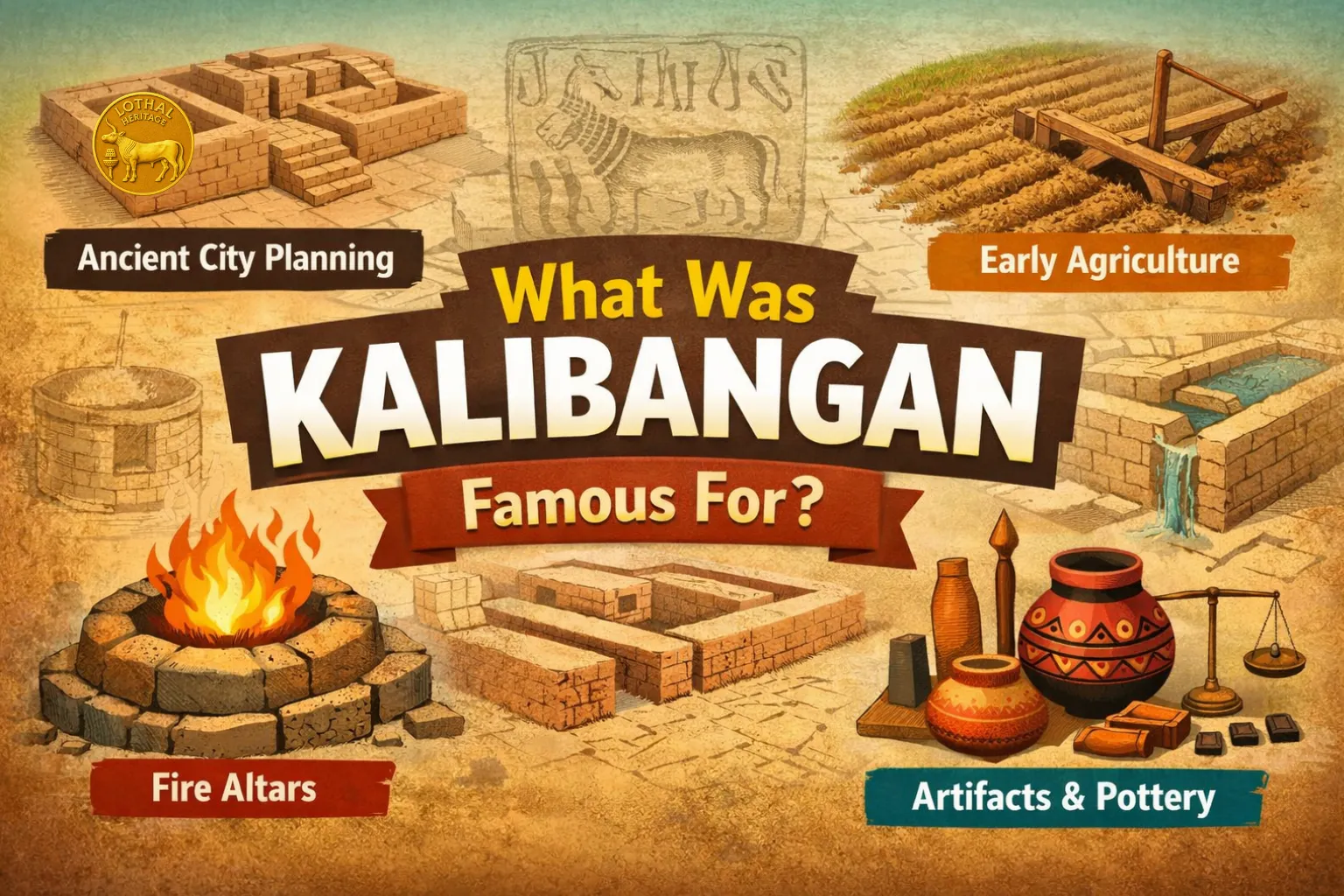
| Kalibangan | Rajasthan, India | Fire altars, early ploughed field |
| Rakhigarhi | Haryana, India | One of the largest Harappan settlements |
Technological Innovations and Scientific Knowledge
The Indus Valley Civilisation displayed impressive scientific and technological understanding. The use of standardized weights and measures demonstrates mathematical accuracy. Metallurgy was well-developed, with copper, bronze, and other alloys used for tools and ornaments.
Water conservation practices, especially in Dholavira, show a sophisticated approach to managing scarce resources in semi-arid regions. The precision in constructing reservoirs, step-wells, and channels reflects engineering expertise well ahead of its time.
The civilisation’s pottery-making techniques, along with its use of the potter’s wheel, kiln technology, and decorative motifs, highlight a blend of functionality and aesthetics. The presence of board games, dice, and children’s toys suggests that leisure and recreation were integral parts of life.
Also read: Lothal Maritime Museum: Exploring the Maritime Legacy of the Indus Valley Civilization
Decline and Disappearance
The decline of the Indus Valley Civilisation remains one of the most debated subjects in ancient history. Theories range from climate change and river shifts to declining trade networks and gradual social transformations. Some scholars propose that the drying of the Ghaggar-Hakra river system (often associated with the ancient Saraswati) may have triggered migration and the breakdown of urban centres.
Unlike many civilisations that collapsed abruptly, the Harappan decline appears gradual. Urban centres were slowly abandoned, populations dispersed to smaller rural settlements, and cultural practices blended into emerging regional traditions. Although the cities faded, many aspects of Harappan culture may have influenced later South Asian civilisations.
Also read: Archaeological site museum lothal: Exploring India’s Ancient Maritime Legacy
Continuing Discoveries and Modern Relevance
New excavations continue to reshape what we know about the Indus Valley Civilisation. Sites such as Rakhigarhi have yielded fresh insights into burial practices, urban planning, and genetic origins. Advances in satellite mapping, chemical analysis, and environmental studies are helping researchers understand the environmental conditions that shaped the civilisation’s rise and fall.
The civilisation remains relevant today for several reasons. Its urban planning principles offer lessons for modern sustainable development. Its cultural diversity, technological innovations, and adaptability provide valuable insights into early human progress. Most importantly, the Indus Valley Civilisation reflects a period when human societies experimented with new forms of living, governance, and economic organisation.
Also read: Lothal Uncovering India’s Earliest Maritime Legacy and the Dockyard of Harappan Civilization
Legacy of an Ancient Urban Culture
The story of the Indus Valley Civilisation continues to fascinate researchers, students, and history enthusiasts around the world. It represents a milestone in human advancement, combining architectural finesse, scientific ingenuity, economic vibrancy, and cultural richness. Although many questions remain unanswered—such as the nature of its political system or the meaning of its script-the civilisation’s legacy endures in the form of its cities, artefacts, and enduring mysteries.
As research advances, new evidence may one day decode the script, unveil hidden layers of social life, or clarify the forces that shaped its decline. Until then, the Indus Valley Civilisation stands as a remarkable chapter in world history, offering a powerful reminder of how early societies laid the foundations for urban living, cultural interaction, and technological innovation.