Lothal City is one of the most important ancient urban centers of the Indus Valley Civilization, and Lothal City holds a special place in Indian history for its advanced town planning, maritime trade, and scientific knowledge. Located in present-day Gujarat, Lothal City tells the story of a highly organized society that flourished more than 4,000 years ago and played a major role in early global trade.
Introduction to Lothal City and Its Historical Importance
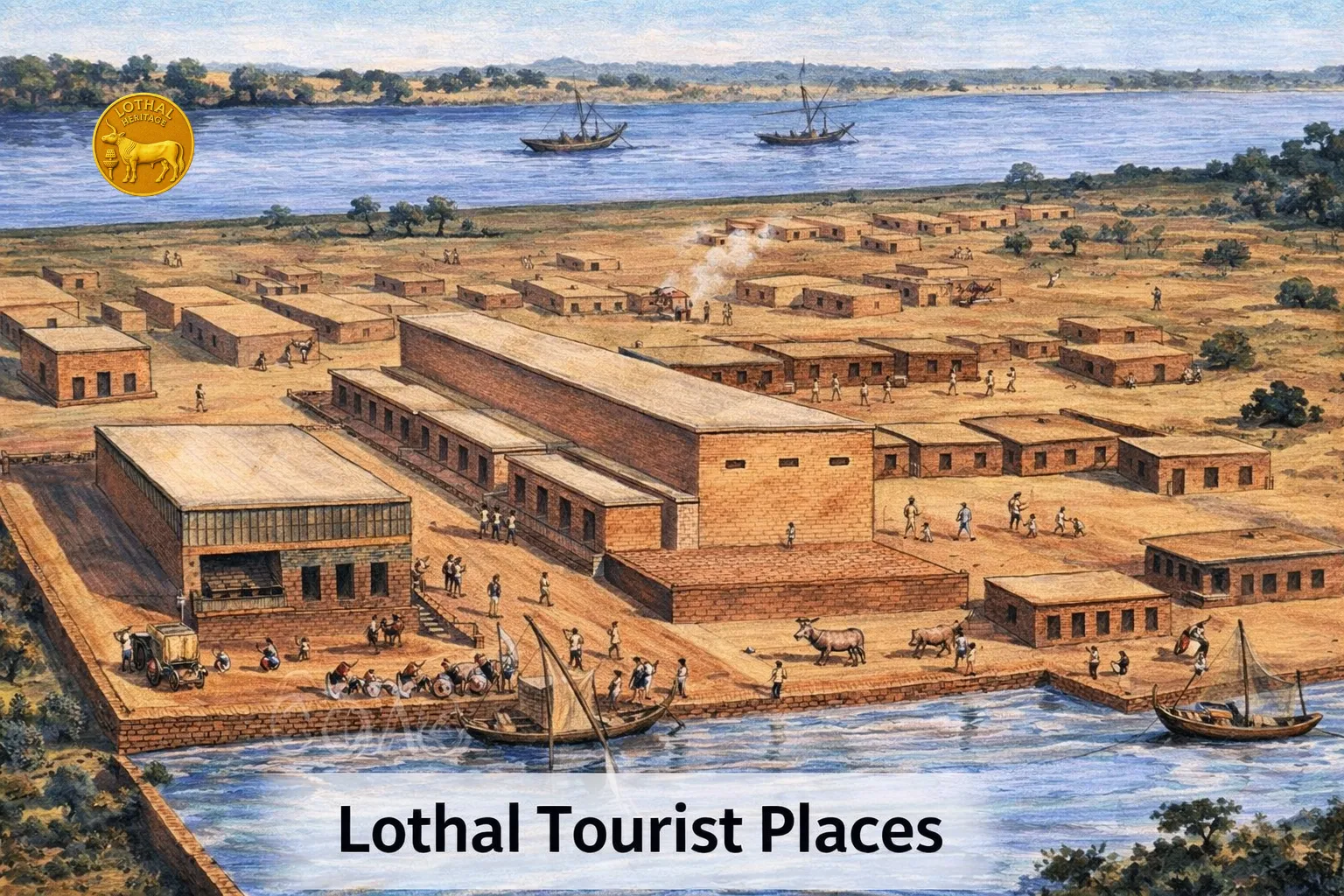
Lothal City was a thriving port city of the Indus Valley Civilization, also known as the Harappan Civilization. Lothal City developed around 2400 BCE and remained active for several centuries. What makes Lothal City unique is its planned layout, sophisticated drainage system, and what many scholars believe to be one of the world’s earliest dockyards.
The name Lothal City comes from local words meaning “the mound of the dead,” a reference to the ancient ruins buried beneath the land. Today, Lothal City is an important archaeological site that helps historians understand how early civilizations lived, traded, and governed.
Geographic Location of Lothal City
Lothal City is located in the Ahmedabad district of Gujarat, India. It lies between the Sabarmati and Bhogavo rivers, which once connected the city to the Arabian Sea. This strategic location allowed Lothal City to function as a major trading hub.
In ancient times, the rivers near Lothal City were wider and deeper, making sea travel possible. Over time, changes in river courses and silting affected maritime access, contributing to the decline of the city.
Discovery and Excavation of Lothal City
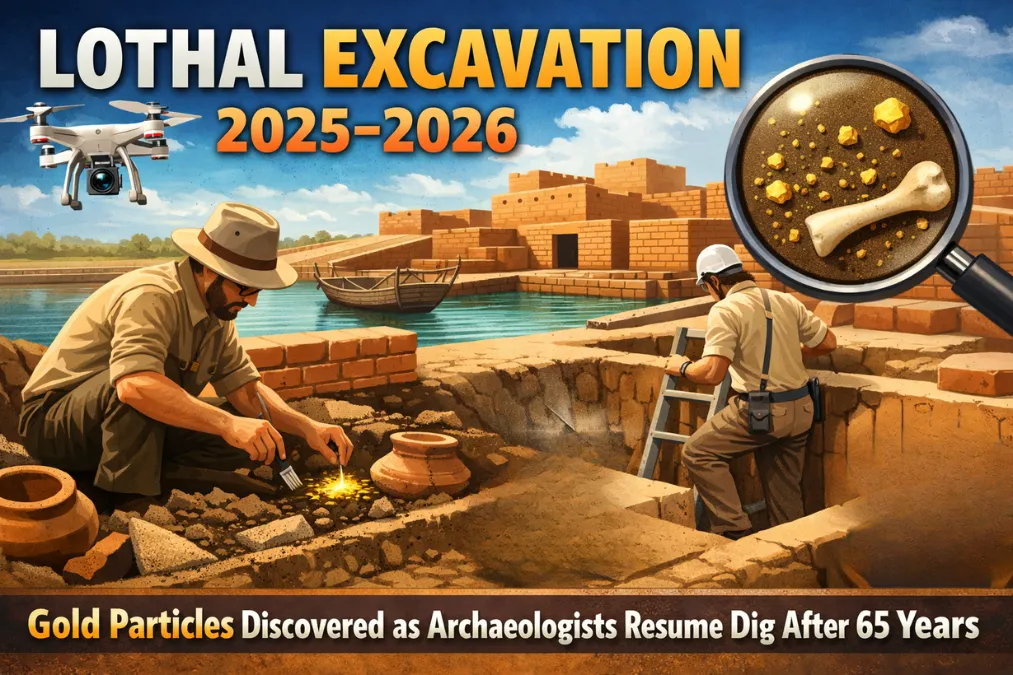
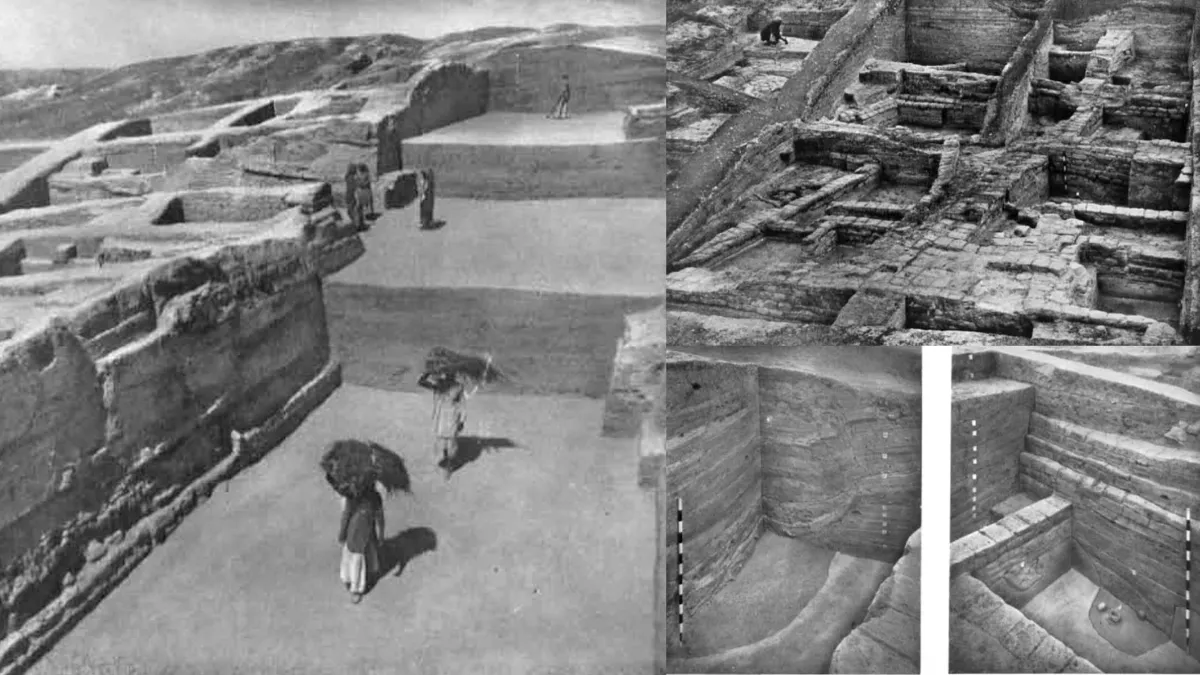
Lothal City was discovered in 1954 by archaeologists of the Archaeological Survey of India. Excavations revealed well-planned streets, brick-built structures, warehouses, workshops, and drainage systems. These discoveries confirmed that Lothal City was a key urban center of the Harappan Civilization.
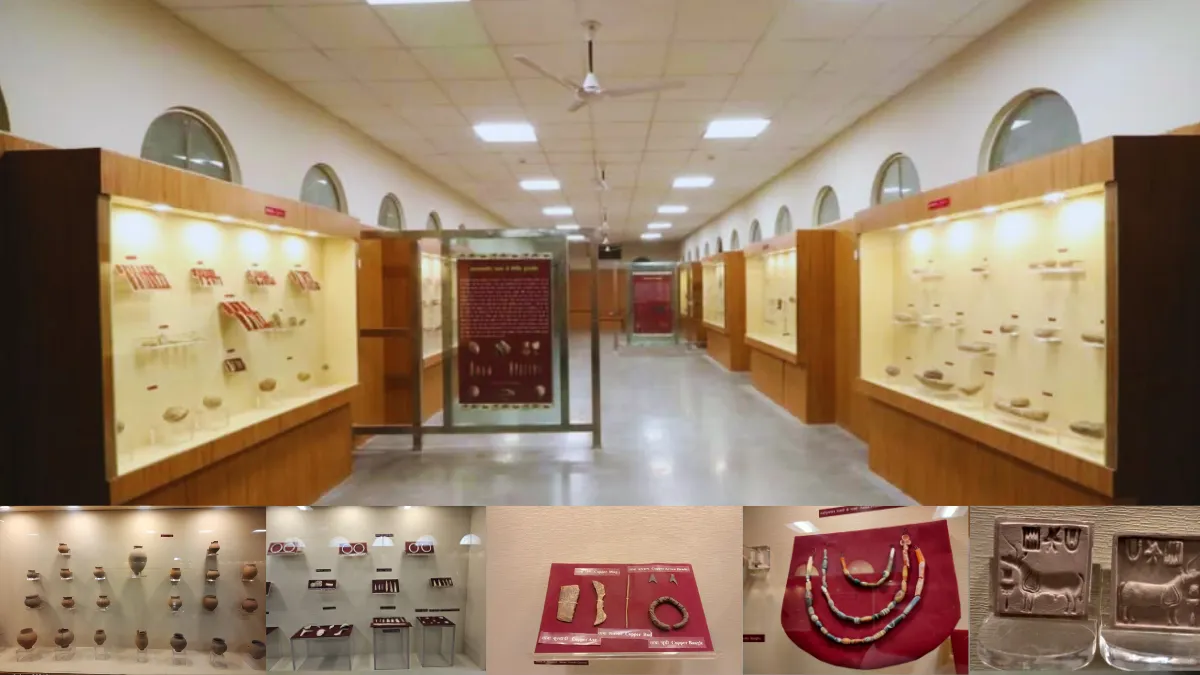
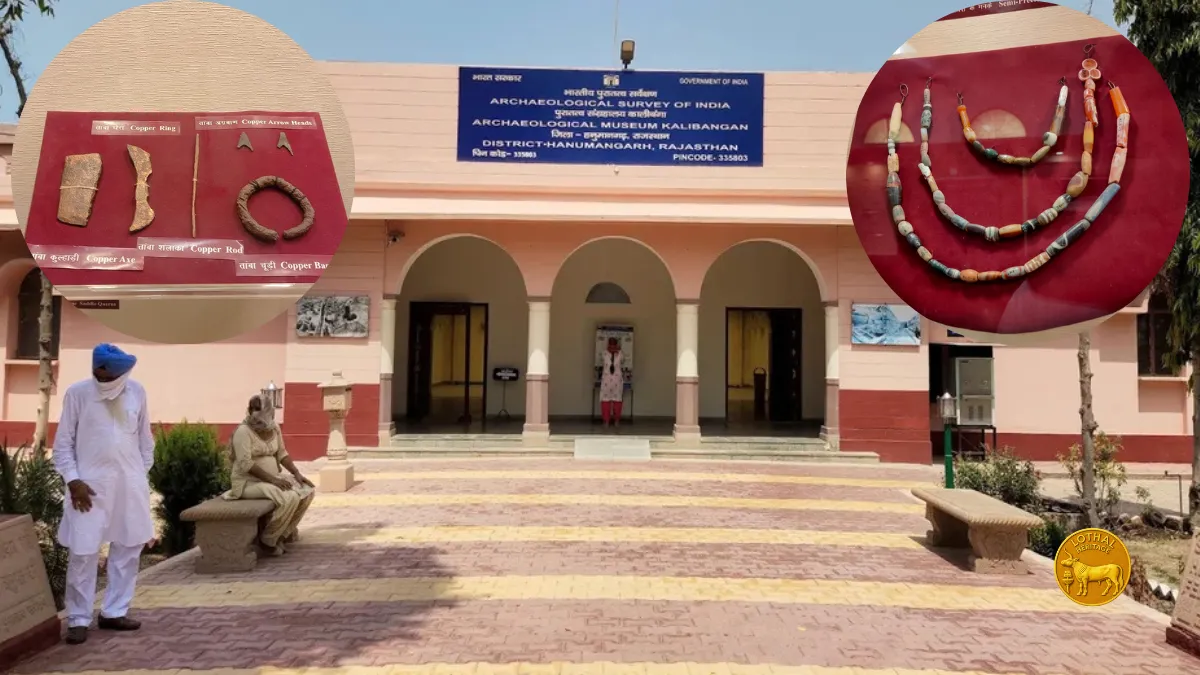
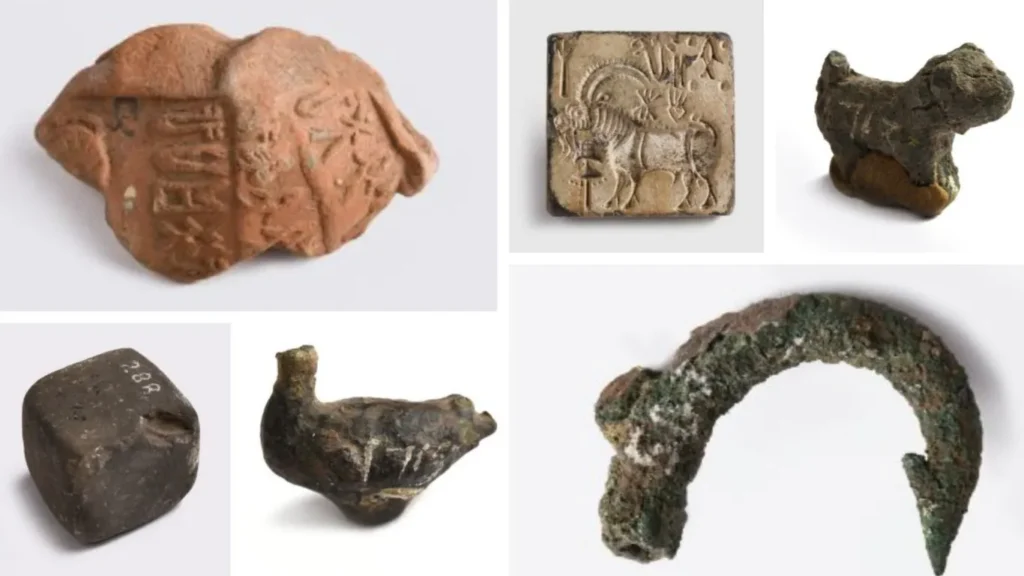
The excavation also brought to light tools, seals, beads, pottery, and ornaments that showed a high level of craftsmanship. These findings proved that Lothal City was not just a residential area but also a major industrial and commercial center.
Urban Planning and Architecture of Lothal City
Lothal City was carefully planned, reflecting advanced engineering knowledge. The city was divided into two main parts: the citadel and the lower town. The citadel stood on a raised platform and likely housed administrative buildings and important public structures. The lower town was mainly residential.
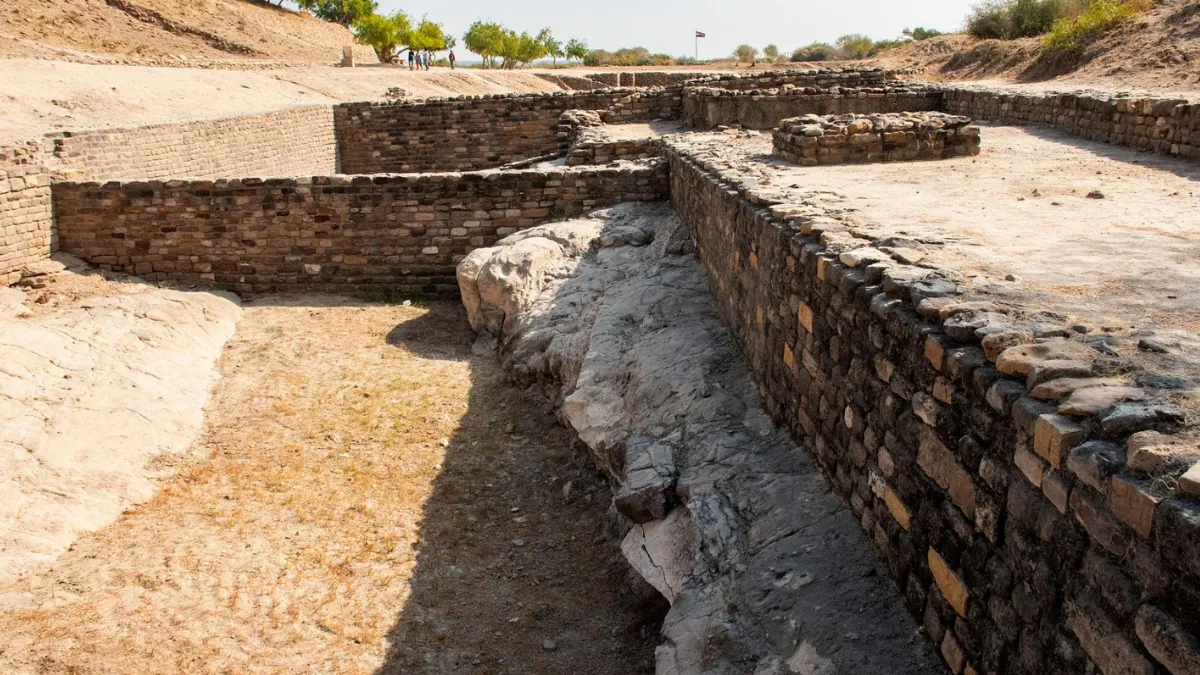
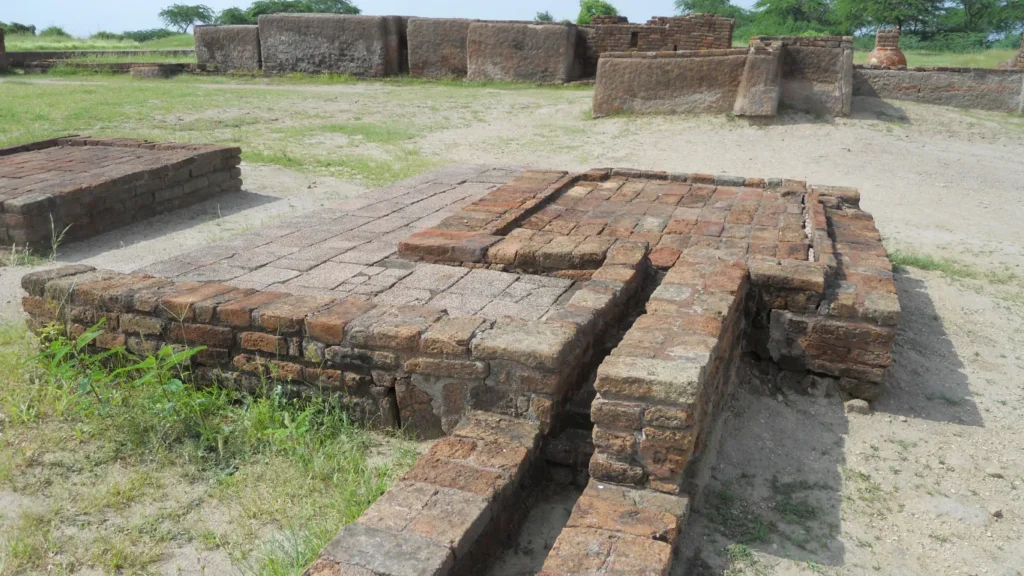
Streets in Lothal City were laid out in a grid pattern, intersecting at right angles. Houses were built with baked bricks and often had private wells and bathing areas. The drainage system of Lothal City was covered and connected to soak pits, showing strong concern for cleanliness and public health.
The Dockyard of Lothal City
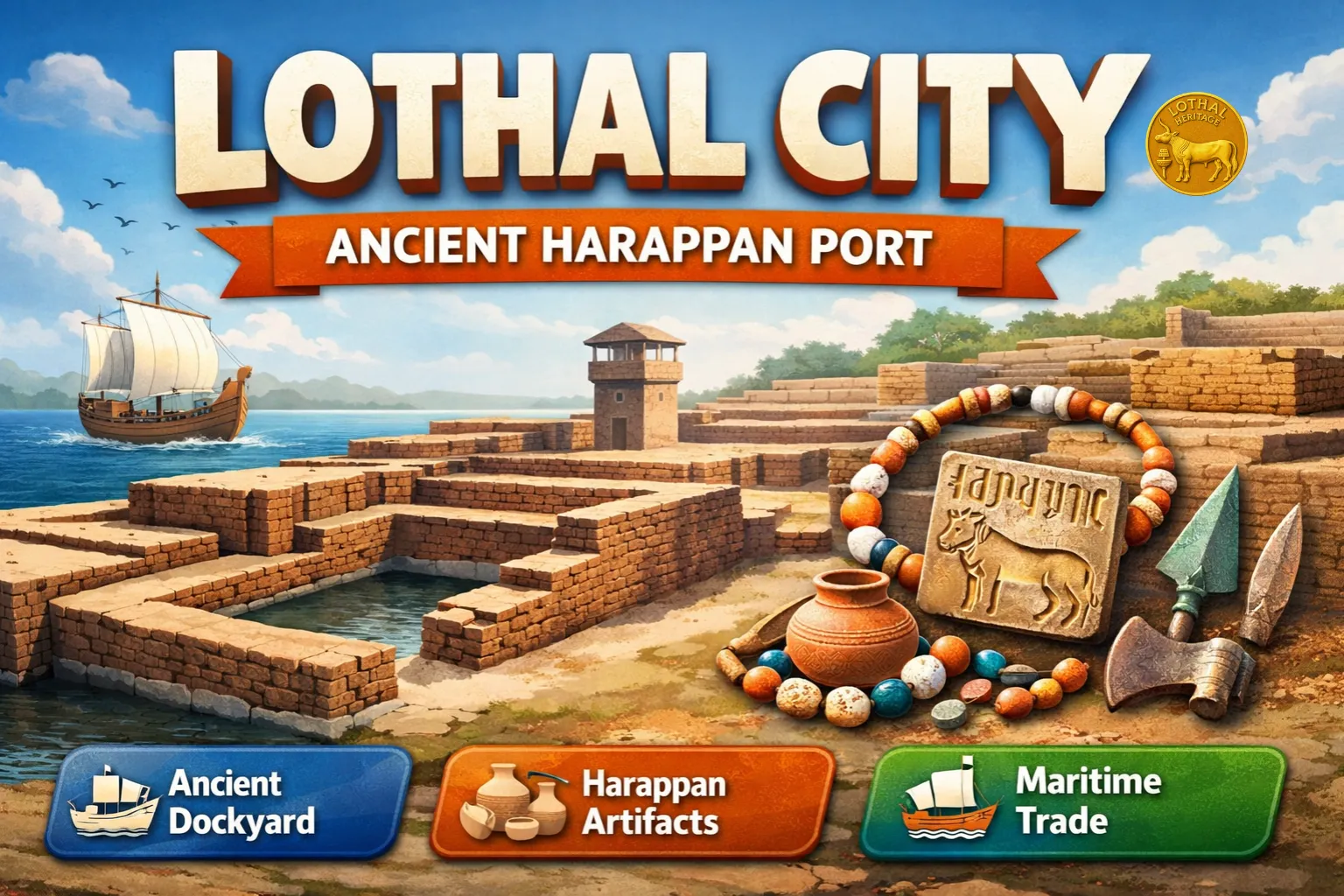
One of the most remarkable features of Lothal City is its dockyard. Many historians consider it the earliest known dockyard in the world. The dockyard was built with baked bricks and connected to an ancient river channel, allowing ships to enter during high tide.
The dockyard of Lothal City suggests that maritime trade was a major part of the city’s economy. Goods from Lothal City were likely exported to Mesopotamia, Persia, and other regions, while foreign items were imported in return.
Trade and Economy of Lothal City
Trade was the backbone of Lothal City’s economy. Archaeological evidence shows that Lothal City traded beads, jewelry, pottery, cotton textiles, and metal tools. In return, the city received raw materials such as copper, semi-precious stones, and shells.
Seals found at Lothal City played an important role in trade. These seals often featured animal motifs and symbols and were used to mark goods and identify traders. The presence of standardized weights also indicates a well-regulated commercial system.
Craftsmanship and Industry in Lothal City
Lothal City was a center of skilled craftsmanship. Bead-making workshops discovered at the site show that artisans produced beads from carnelian, agate, and other stones. These beads were highly valued and traded across distant lands.
Metalworking was another important industry in Lothal City. Tools made of copper and bronze, including knives, fish hooks, and axes, have been found. Pottery from Lothal City is known for its fine quality and distinctive designs.
Scientific Knowledge and Innovations of Lothal City
Lothal City shows evidence of advanced scientific understanding. Archaeologists found a shell object with markings that some believe was used as a compass or measuring tool. The people of Lothal City also used standardized weights based on a decimal system, showing knowledge of mathematics.
The dockyard design of Lothal City reflects an understanding of tides and water flow. Builders carefully avoided silting by placing the dockyard away from the main river current, which shows advanced environmental planning.
Religious Beliefs and Cultural Life in Lothal City
The religious life of Lothal City is still not fully understood, but artifacts provide some clues. Fire altars discovered at the site suggest ritual practices involving fire. Terracotta figurines of animals and human forms may have had religious or cultural significance.
Unlike some other Indus Valley cities, Lothal City has fewer large religious structures, indicating that daily life and trade may have been more central to the city’s identity than monumental worship.
Daily Life of the People of Lothal City
Life in Lothal City was organized and disciplined. Most people lived in brick houses with proper sanitation facilities. Food grains such as wheat, barley, and rice were commonly consumed, along with fish and meat.
Clothing was likely made from cotton, which was cultivated in the region. Ornaments such as bangles, necklaces, and earrings were worn by both men and women, showing an appreciation for personal adornment.
Decline of Lothal City
The decline of Lothal City was gradual and likely caused by multiple factors. Changes in river courses reduced access to the sea, affecting trade. Floods may have damaged infrastructure, while earthquakes could have weakened buildings.
As trade declined, the economy of Lothal City suffered. Over time, people may have moved to other regions in search of better living conditions, leading to the eventual abandonment of the city.
Archaeological Importance of Lothal City Today
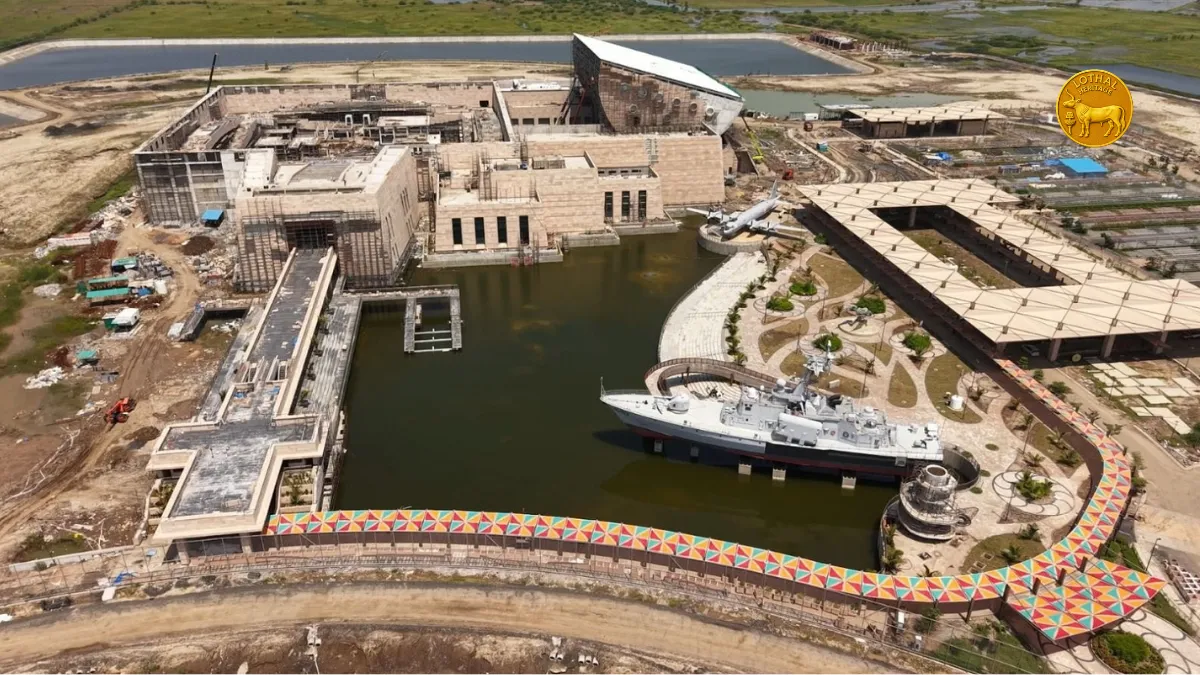
Today, Lothal City is one of India’s most important archaeological sites. It provides valuable insights into early urban planning, trade networks, and social organization. The site helps historians understand how ancient civilizations adapted to their environment.
Artifacts from Lothal City are preserved in museums, allowing visitors to learn about the daily life and achievements of the Harappan people. The site continues to be studied by researchers from around the world.
Lothal City and the Indus Valley Civilization
Lothal City was an integral part of the larger Indus Valley Civilization, which included cities like Harappa and Mohenjo-daro. While sharing common features such as standardized bricks and drainage systems, Lothal City stood out for its maritime focus.
The city’s role as a port connected inland regions to overseas markets, making Lothal City a bridge between ancient India and the wider world. This connection highlights the global nature of trade even in ancient times.
Tourism and Educational Value of Lothal City
Lothal City attracts historians, students, and tourists interested in ancient history. Walking through the ruins gives visitors a sense of how advanced early urban life was. Informational displays help explain the significance of various structures.
Educational institutions often include Lothal City in their curriculum to teach students about India’s ancient heritage. The site serves as a reminder of the ingenuity and resilience of early civilizations.
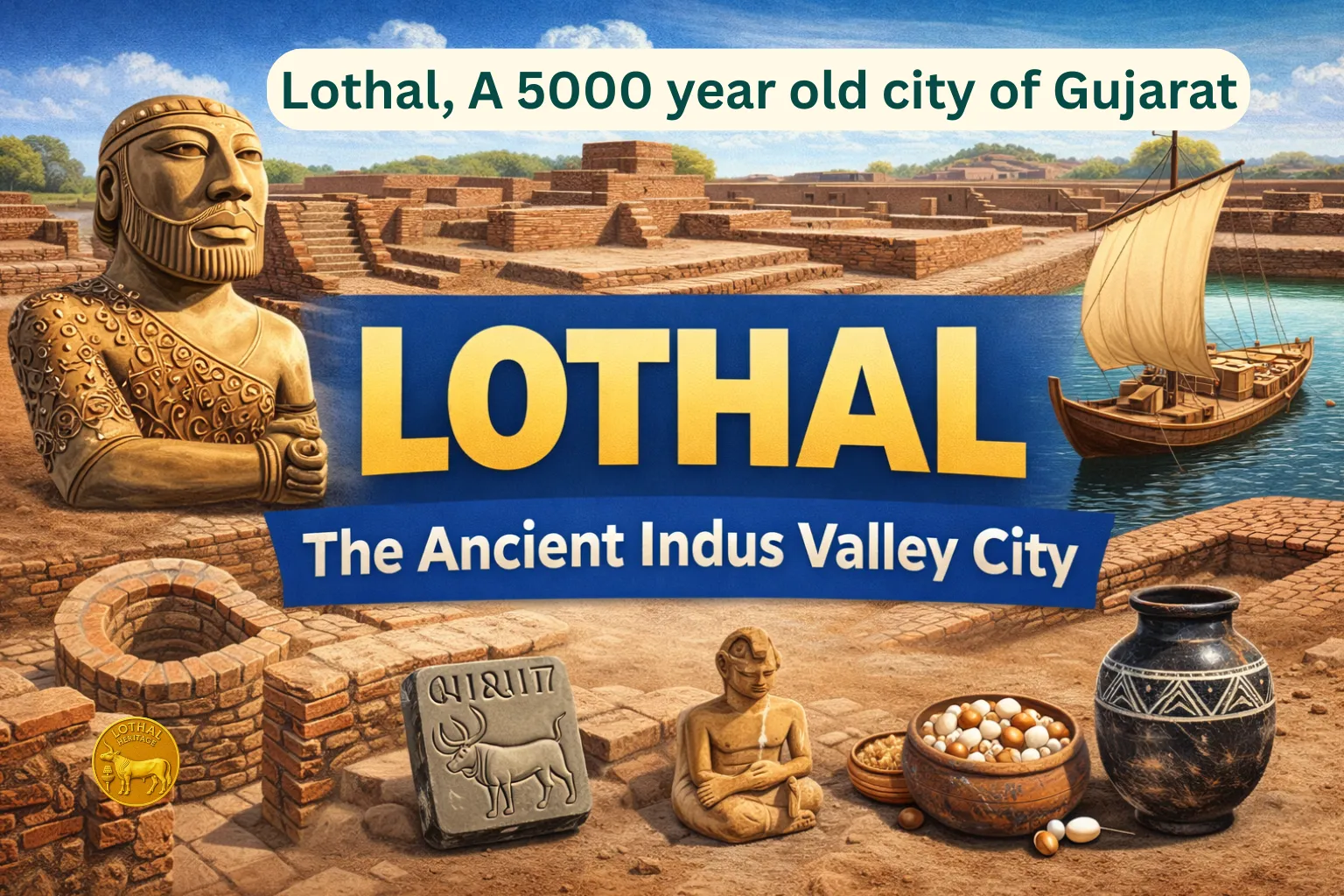
Read also: Lothal, A 5000 year old city of Gujarat.
Preservation and Future of Lothal City
Preserving Lothal City is essential for protecting India’s cultural heritage. Conservation efforts focus on preventing erosion, managing water damage, and educating visitors about the importance of the site.
With continued research and preservation, Lothal City will remain a valuable source of historical knowledge. It stands as a symbol of human innovation and the rich legacy of the Indus Valley Civilization.
Read also: Lothal Tourist Places: A Complete Guide to Gujarat’s Ancient Civilization Site
Conclusion: Why Lothal City Matters Today
Lothal City is more than just an archaeological site; it is a window into a sophisticated ancient world. From its dockyard and trade networks to its urban planning and craftsmanship, Lothal City demonstrates how advanced early human societies were.
Understanding Lothal City helps us appreciate the deep roots of urban life, science, and trade in India. As research continues, Lothal City will keep revealing new stories about one of the world’s earliest and most remarkable civilizations.