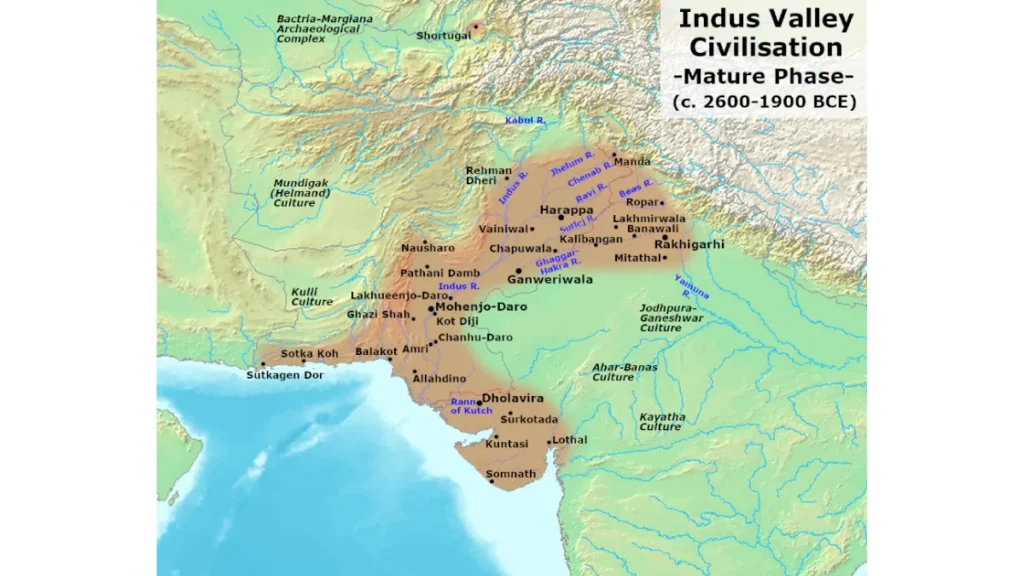
Lothal Gujarat stands as one of the most remarkable archaeological sites of the Indus Valley Civilization, offering a window into one of the world’s earliest planned urban cultures. Situated in the Bhal region of present-day Gujarat, this ancient town reveals how advanced maritime trade, craftsmanship, and urban planning were thousands of years ago. The story of Lothal Gujarat is not just about excavated structures; it is about a thriving civilization that shaped early economic and cultural landscapes.
Located around 80 kilometers southwest of Ahmedabad, Lothal Gujarat was once a bustling port town with direct access to trade routes connecting Mesopotamia, Egypt, and other ancient regions. Its discovery in 1954 by the Archaeological Survey of India opened new dimensions in understanding how the Harappans lived, worked, and managed complex urban systems. For historians, travelers, and cultural researchers, Lothal Gujarat remains an extraordinary example of maritime excellence and human innovation.
The Historical Significance of Lothal Gujarat
Lothal Gujarat is believed to have been established around 2400 BCE during the mature phase of the Indus Valley Civilization. The town was strategically located near the Gulf of Khambhat, making it an ideal center for maritime trade. Archaeological findings suggest that the people of Lothal exported beads, gems, terracotta figures, shells, and finely crafted ornaments. In return, they imported copper, tin, and other valuable materials, creating a thriving economic ecosystem.
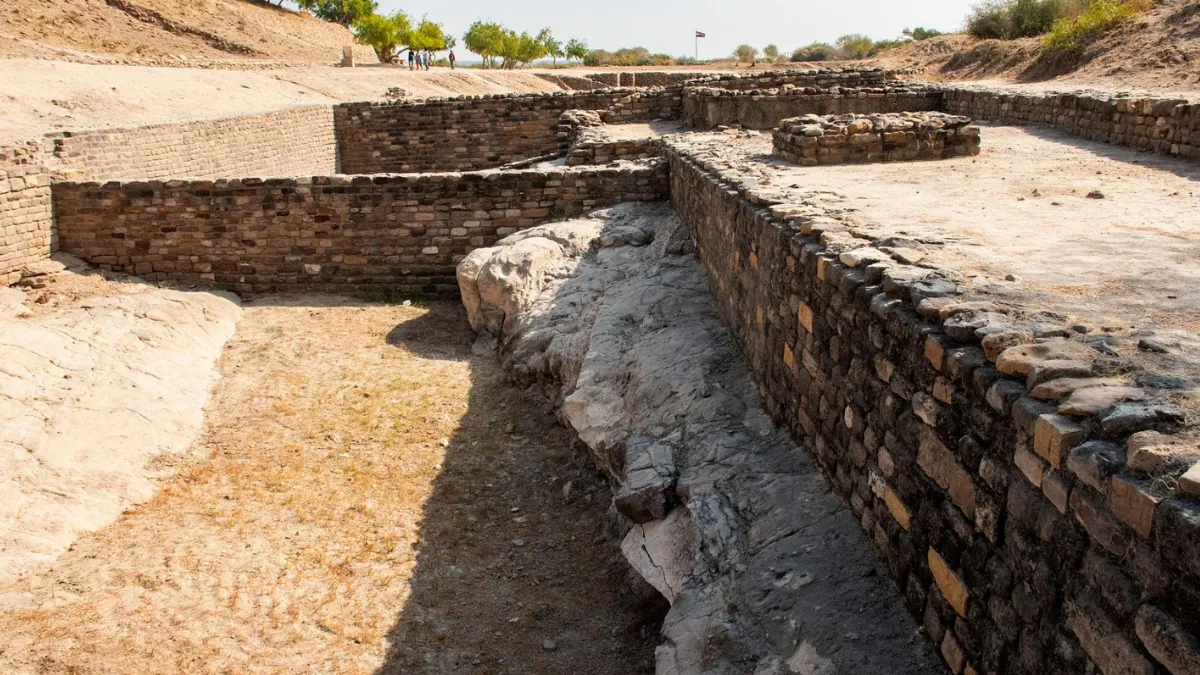
The ancient port of Lothal Gujarat is often regarded as one of the oldest known dockyards in the world. This structure showcases the engineering brilliance of the Harappans, who meticulously designed it to manage tidal flows and facilitate international trade. The hydraulic engineering principles reflected here indicate deep scientific understanding far ahead of their time.
Understanding the Layout and Architecture
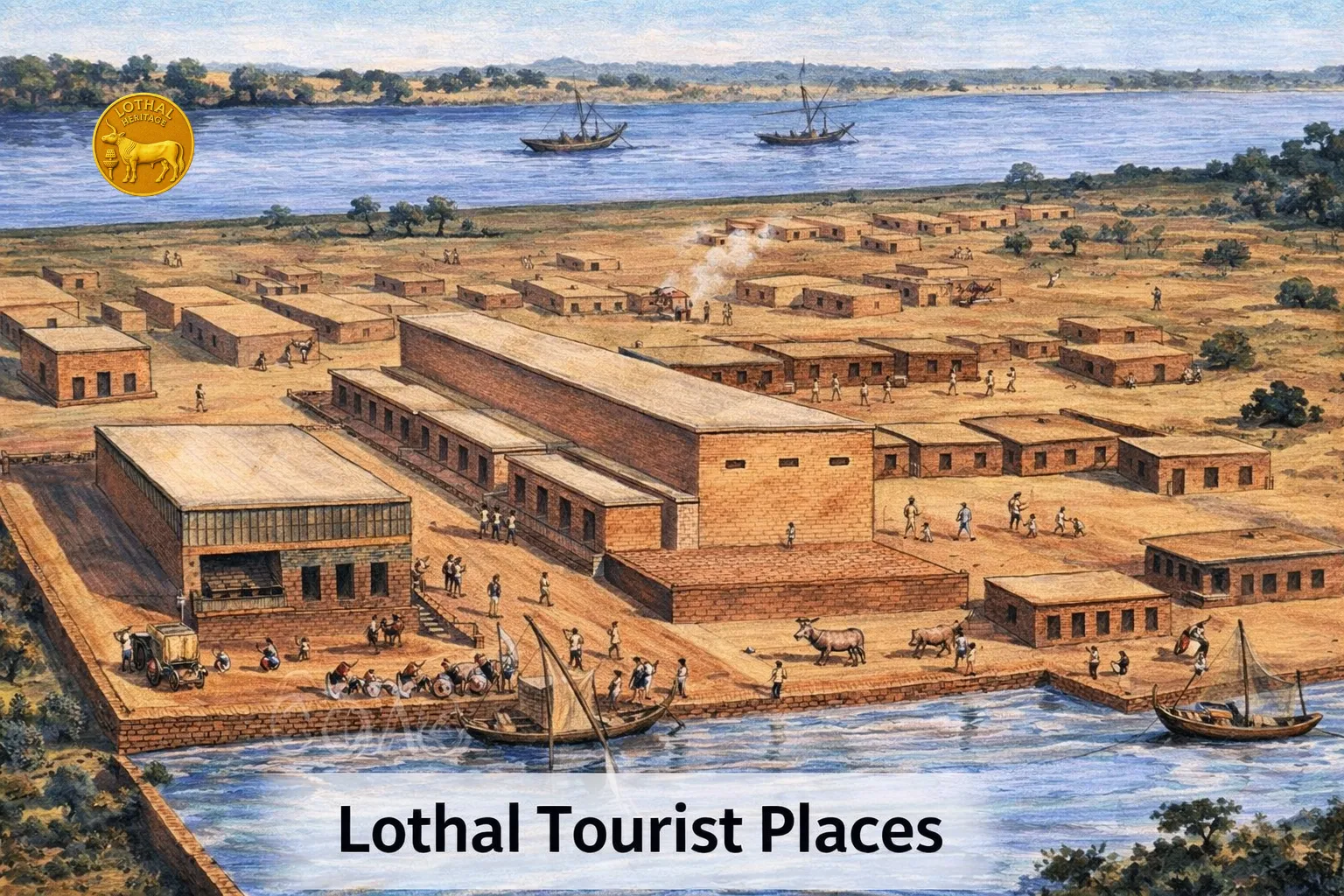
The town planning of Lothal Gujarat follows a typical Harappan pattern with well-organized streets, drainage systems, and division between the citadel and the lower town. Houses were built using standardized baked bricks and included features such as private wells, bathing platforms, and kitchens. These details highlight a disciplined approach to urban living and a thoughtful understanding of hygiene.
A unique feature of Lothal Gujarat is its dockyard. Constructed with finely laid bricks and connected to an ancient water channel, the dockyard allowed ships to anchor safely. Its walls were engineered to handle strong tides, an impressive feat considering the period it belongs to.
The marketplace found near the dockyard suggests that Lothal was also a commercial hub, where merchants traded locally as well as internationally. Workshops discovered on-site provide evidence of advanced bead-making and craftsmanship, especially in semi-precious stones like carnelian.
Key Features of Lothal Gujarat
To understand the site better, the following table highlights its major features in a simple and clear format:
| Feature | Description |
|---|---|
| Location | Bhal region, Gujarat, near Saragwala village |
| Established | Around 2400 BCE |
| Major Attraction | Ancient dockyard considered among the world’s earliest |
| Civilization | Indus Valley / Harappan |
| Known For | Maritime trade, bead-making, urban planning |
| Excavated By | Archaeological Survey of India (1954–1962) |
| Nearby City | Ahmedabad (approx. 80 km) |
The Dockyard: Pride of Lothal Gujarat
Among the most celebrated discoveries, the dockyard of Lothal Gujarat symbolizes the town’s maritime legacy. It is rectangular in shape and measures approximately 220 meters by 37 meters. Archaeologists believe it was connected to the now-dry Sabarmati River through an ancient channel. This allowed the dockyard to function as a major port, handling small and large boats during high tide.
Such engineering precision is remarkable, especially considering the period. The design prevented flooding and silt accumulation, enabling smooth trade operations. This dockyard remains a globally recognized example of early maritime infrastructure.
Craftsmanship and Industrial Activities
Lothal Gujarat was a thriving industrial center. The bead factory discovered on the site reveals sophisticated craftsmanship. Workers used tools and furnaces to shape beads with incredible precision. These beads were highly valued across ancient civilizations.
Apart from beads, artisans in Lothal Gujarat produced pottery, shell artifacts, terracotta toys, and copper objects. Kilns found in the area show evidence of large-scale production. Such industrial activity suggests that Lothal was not only a trading port but also a major manufacturing hub.
Life and Culture in Ancient Lothal
Daily life in Lothal Gujarat appears to have been well-organized and structured. The presence of private wells indicates that households had access to water within their homes. Drainage systems were carefully laid out to keep the town clean, reflecting strong civic planning.
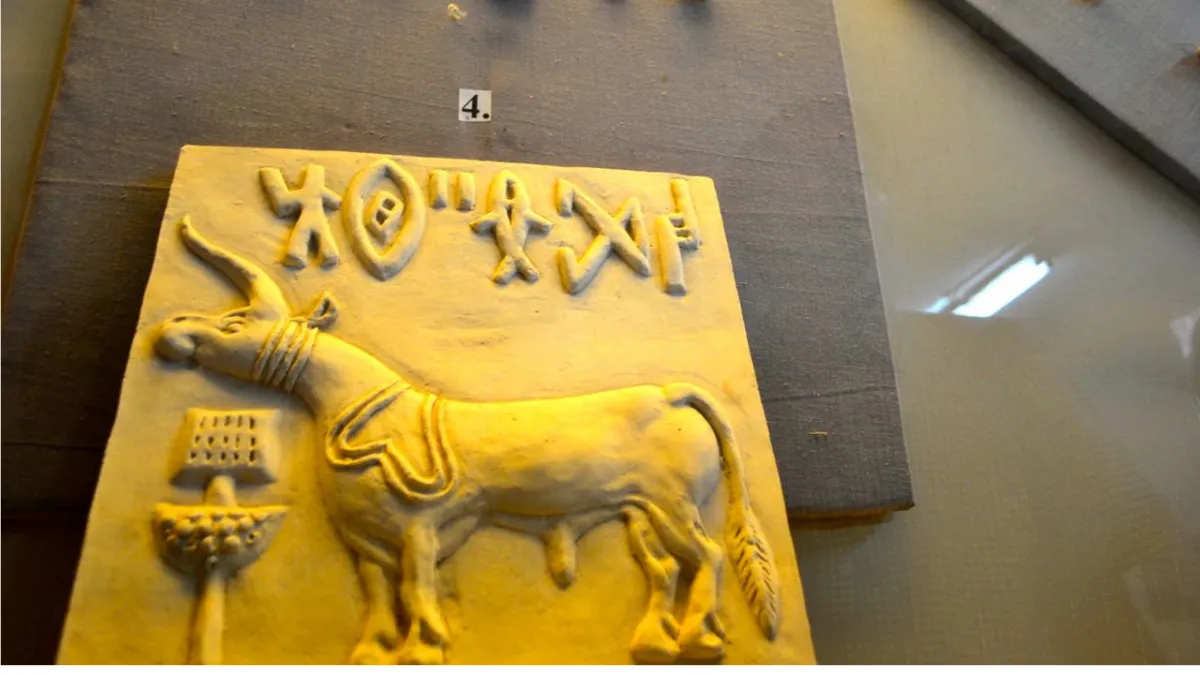
Cultural artifacts uncovered from the site include seals, figurines, pottery, and tools, offering insights into the social and ritual practices of the time. The discovery of a fire altar suggests that certain ceremonial activities may have been performed. Burial remains indicate a structured approach to funerary practices.
Decline and Rediscovery
Like many Harappan sites, Lothal Gujarat faced environmental challenges that contributed to its decline. Changes in river patterns reduced maritime activity, leading to the eventual abandonment of the town around 1900 BCE. Over centuries, the site remained buried until modern excavations unveiled its historical significance.
The rediscovery of Lothal Gujarat in the mid-20th century reshaped the understanding of ancient Indian history. Today, continued research helps uncover more details about its trade networks, craftsmanship, and sociocultural systems.
Also read: Where Is Lothal? Inside India’s 4,500-Year-Old Port City That Rewrote Maritime History
Visiting Lothal Gujarat Today
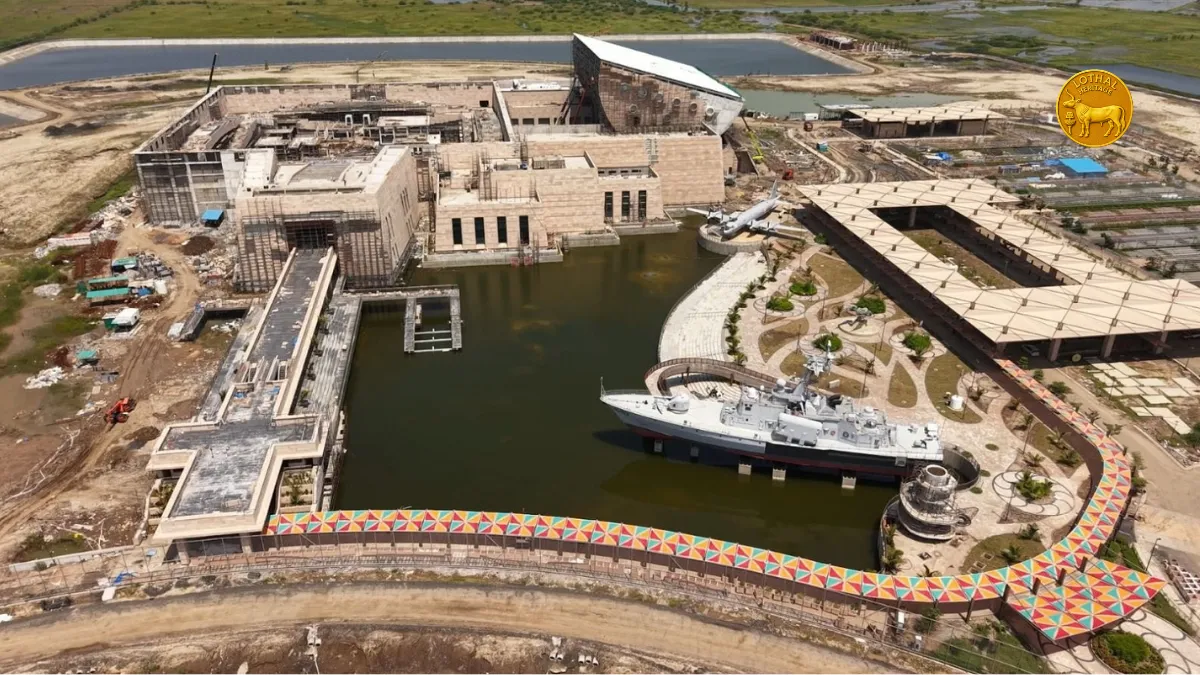
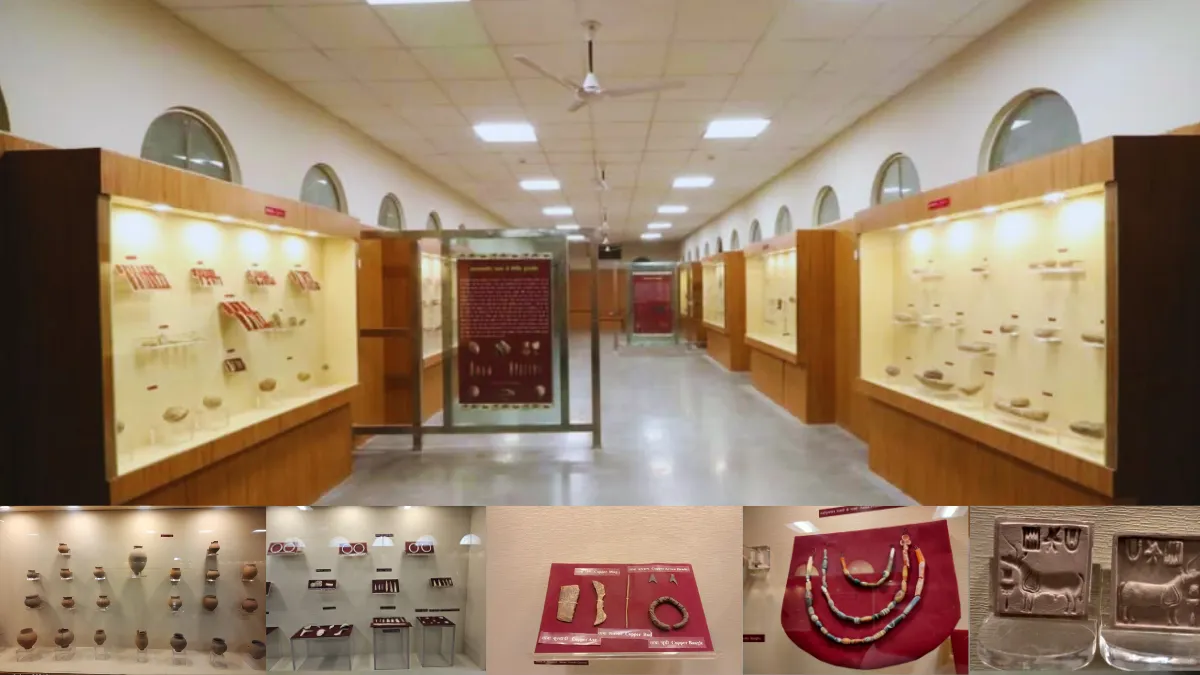
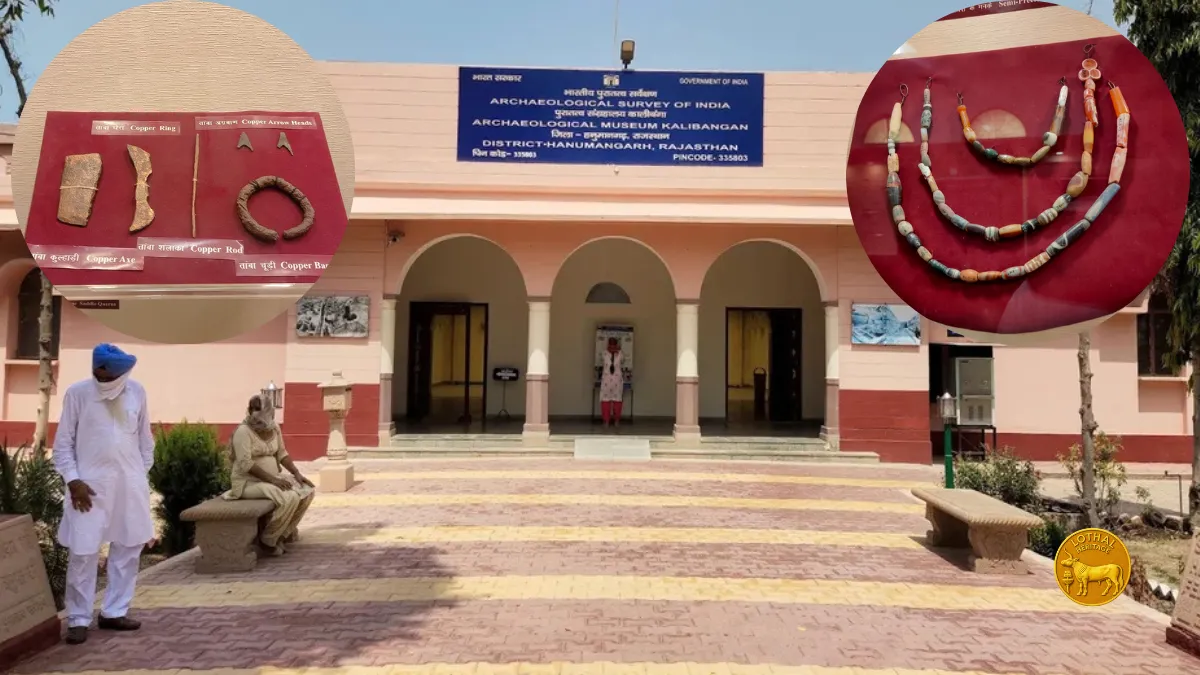
Lothal Gujarat is now maintained as an archaeological site with an on-site museum showcasing artifacts found during excavations. Visitors can explore the dockyard, acropolis, lower town, bead-making workshops, and warehouse remains. The museum displays seals, weights, beads, pottery, and tools, offering a comprehensive look at Harappan life.
The peaceful surroundings add to the charm of exploring this historic site. For history lovers, students, and travelers, Lothal Gujarat provides an enriching experience that connects them with one of the earliest chapters of urban civilization.
Also read: What Is Lothal: Exploring One of the World’s Earliest Urban Civilisations
Conclusion
Lothal Gujarat stands as a testament to the ingenuity and sophistication of the Indus Valley Civilization. With its advanced dockyard, skilled craftsmanship, and well-planned urban layout, it reflects a society that valued innovation, trade, and organization. As one of India’s most significant archaeological treasures, Lothal Gujarat continues to inspire curiosity and research, offering timeless insights into human progress and maritime heritage.