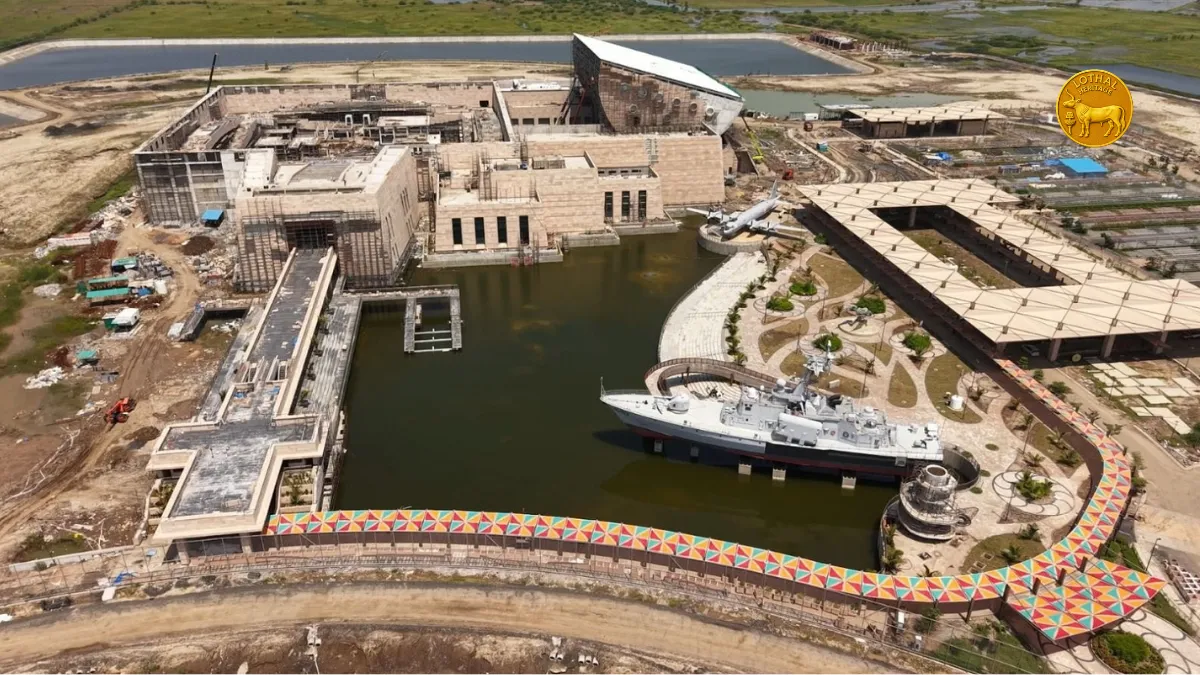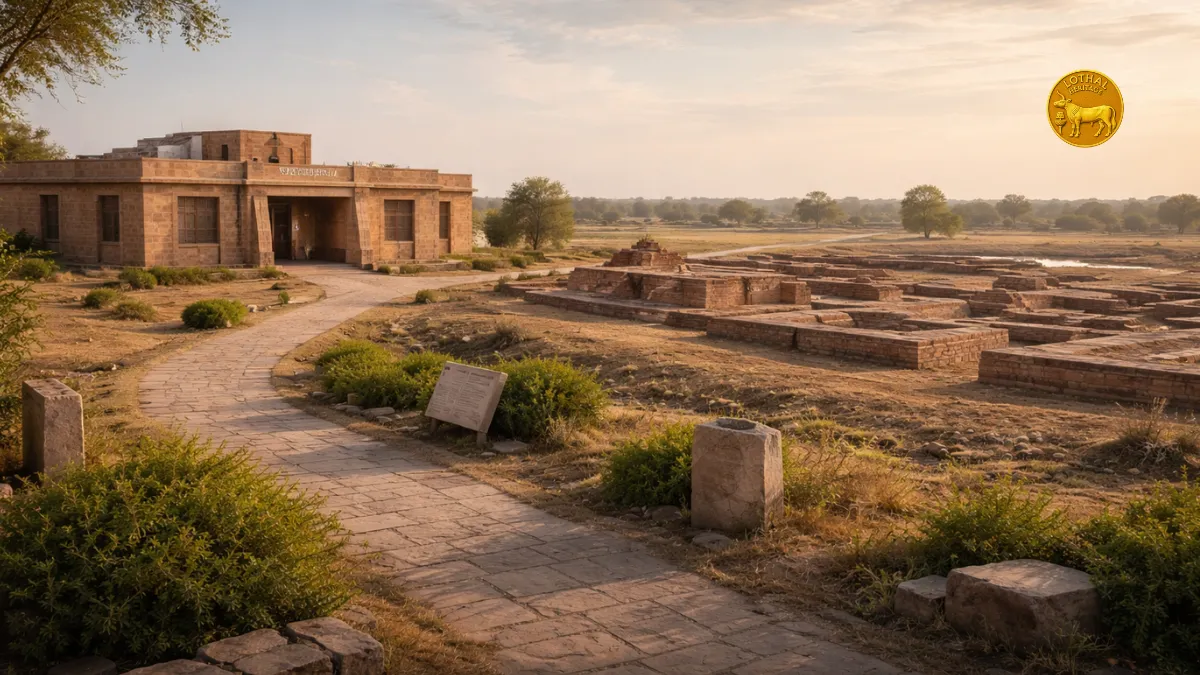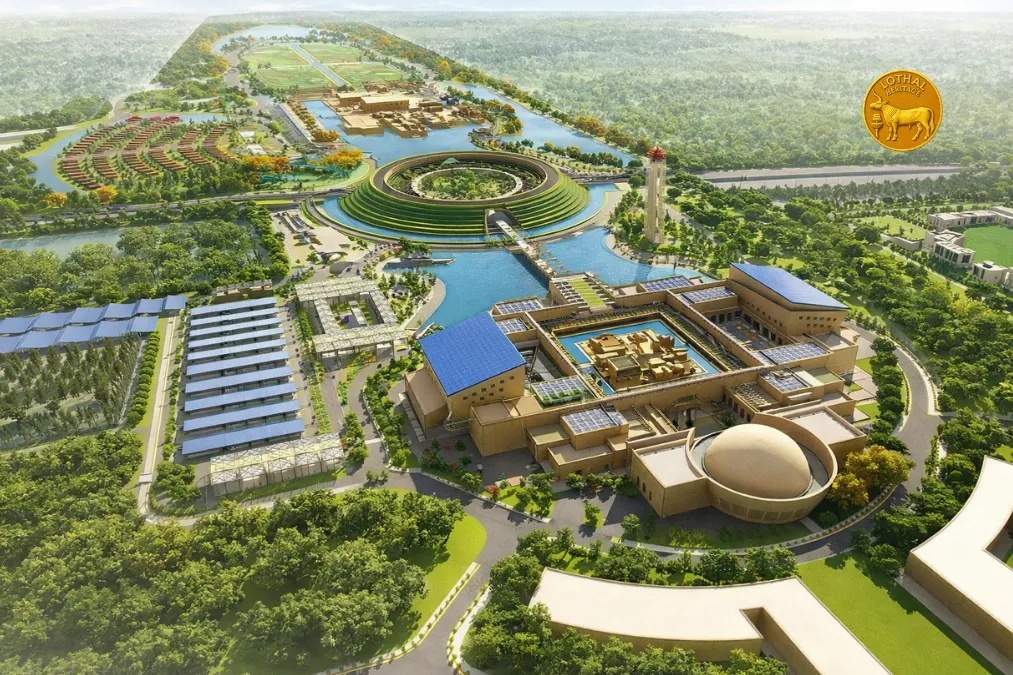
The lothal maritime museum stands as a vital link to one of the world’s earliest urban cultures, offering an insight into how the Indus Valley Civilization mastered trade, engineering and maritime activity thousands of years ago. Situated near the ancient archaeological site of Lothal in Gujarat, the museum is envisioned as a space where history, archaeology and maritime heritage come together to tell a compelling story of innovation and human progress.
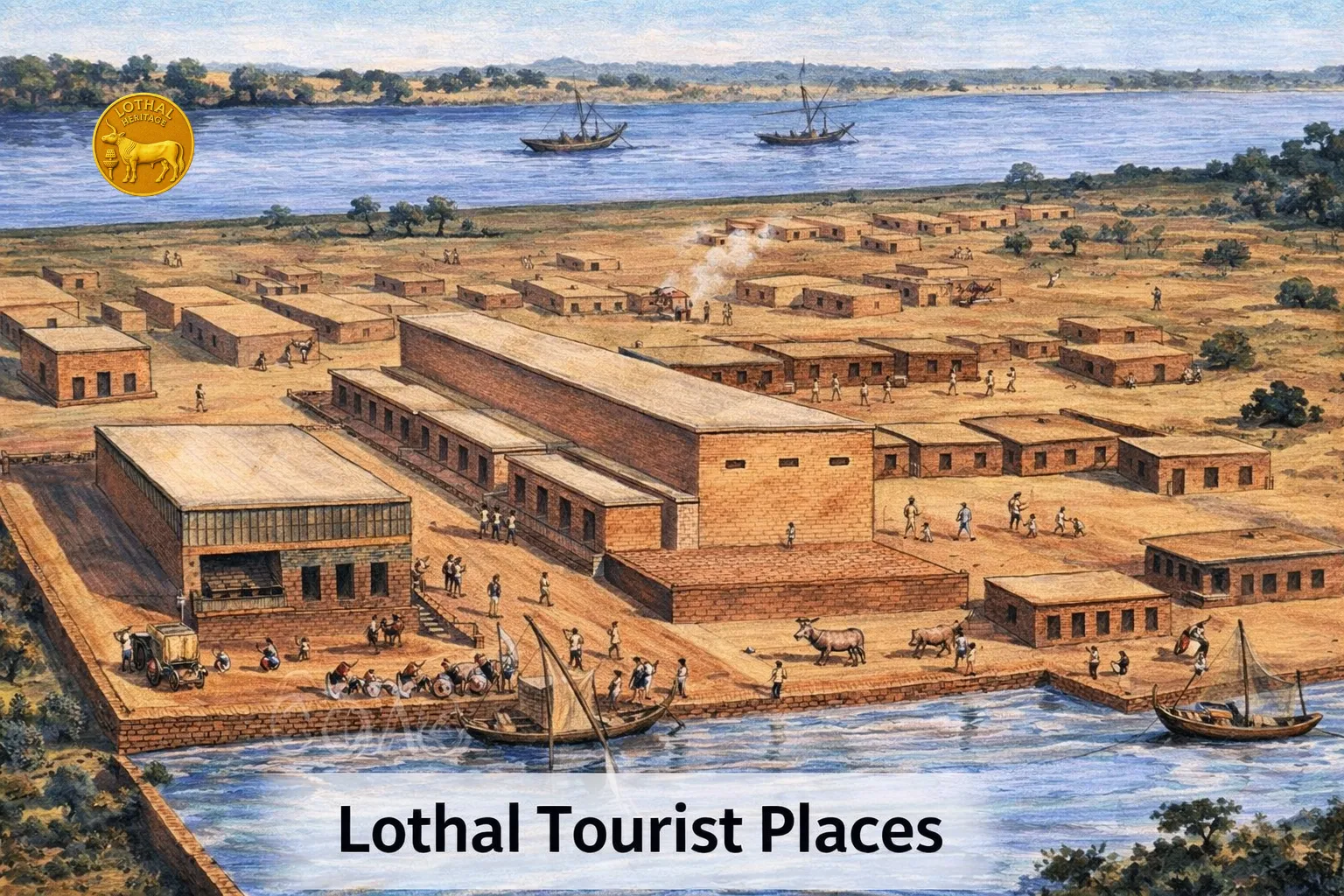
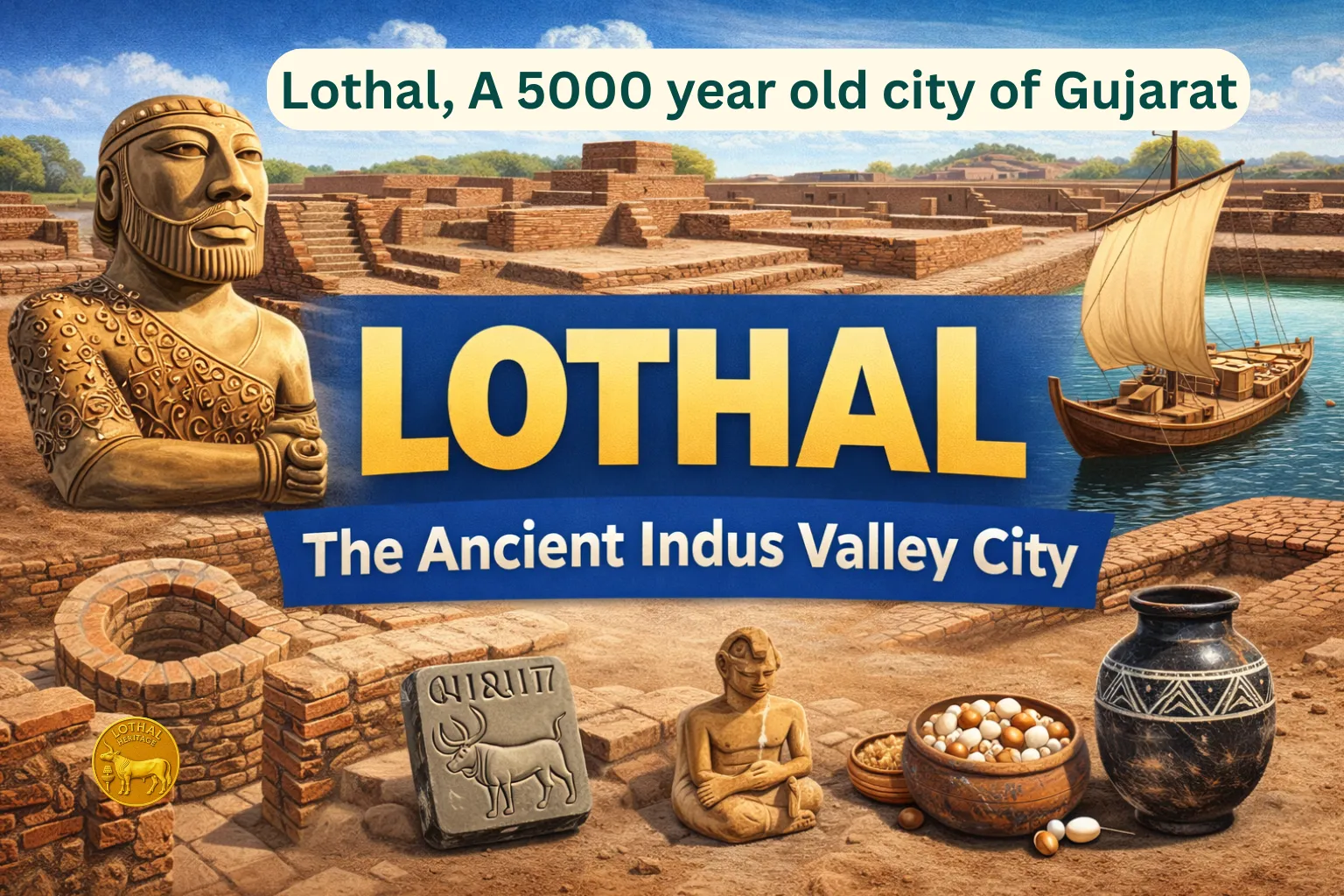
Located close to the ruins of a once-thriving port town, the museum highlights how Lothal acted as a key trade hub around 2400 BCE. The site is globally recognized for its advanced dockyard, well-planned city structure, bead-making industry and far-reaching trade networks. Through immersive exhibits and detailed reconstructions, the lothal maritime museum aims to help visitors visualize how this ancient settlement connected the Indian subcontinent with distant cultures across the Arabian Sea.
The Vision Behind the Lothal Maritime Museum
One of the core objectives of the lothal maritime museum is to bring archaeological discoveries into a contemporary narrative. Lothal’s dockyard is often cited as one of the earliest known examples of tidal ports in the ancient world. The museum seeks to interpret these achievements for a modern audience by presenting artifacts, urban layouts and models that illustrate the technical brilliance of the Harappan people.
The museum project also celebrates India’s maritime identity. By focusing on Lothal as a pioneering port, the institution hopes to highlight how seafaring, shipbuilding and maritime trade shaped the region’s cultural and economic evolution. This makes the museum not only a window to the past but also a reminder of the long-standing maritime traditions that continue to influence India today.
What Visitors Can Expect Inside the Museum
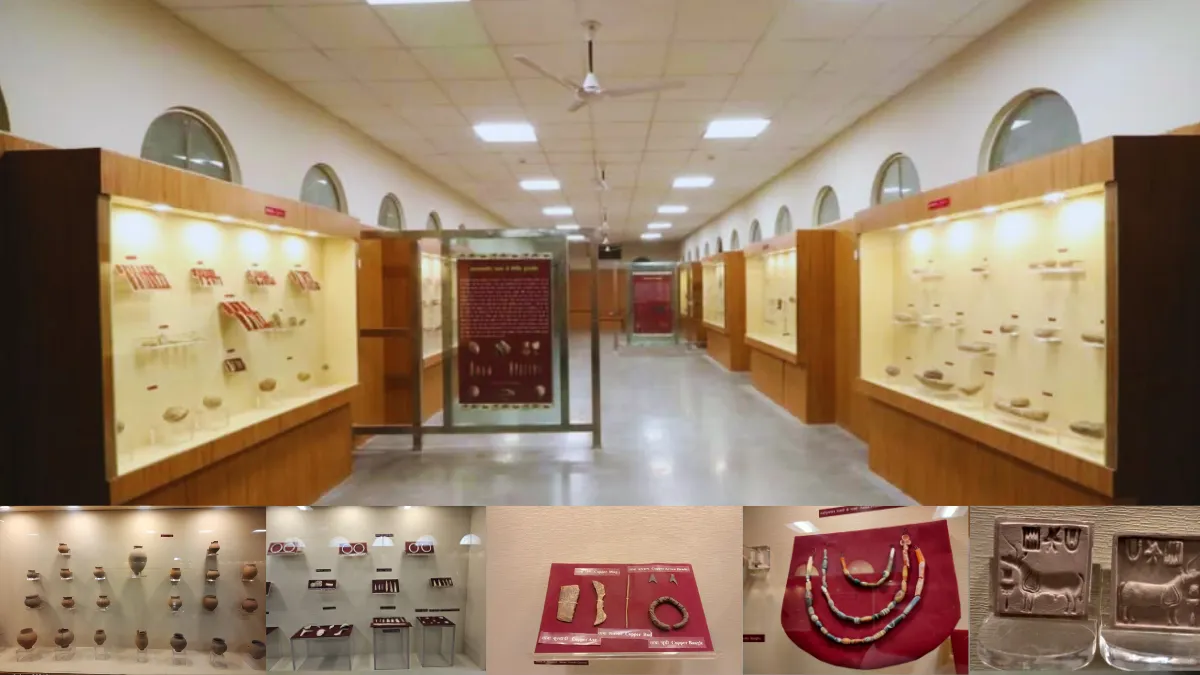
The proposed galleries of the lothal maritime museum are designed to cover various dimensions of Harappan civilization. Exhibits focus on their engineering skills, craft industries, maritime trade routes and city planning. Visitors will likely find replicas of ancient ships, reconstructions of the dockyard, interactive maps tracing trade links and a range of excavated artifacts such as pottery, seals, beads and tools.
To offer a structured understanding, the museum is laid out in thematic sections. These themes explore urban development in Lothal, the function of the dock, scientific achievements, everyday life and evidence of international trade. The goal is to make history accessible and engaging while maintaining accuracy.
Below is a simple overview table summarizing the major focus areas of the museum:
| Museum Section | Key Highlights | Purpose |
|---|---|---|
| Dockyard Gallery | Ancient dock model, engineering details | Explains maritime infrastructure |
| Trade & Routes | Interactive maps, trade artifacts | Shows Lothal’s global connections |
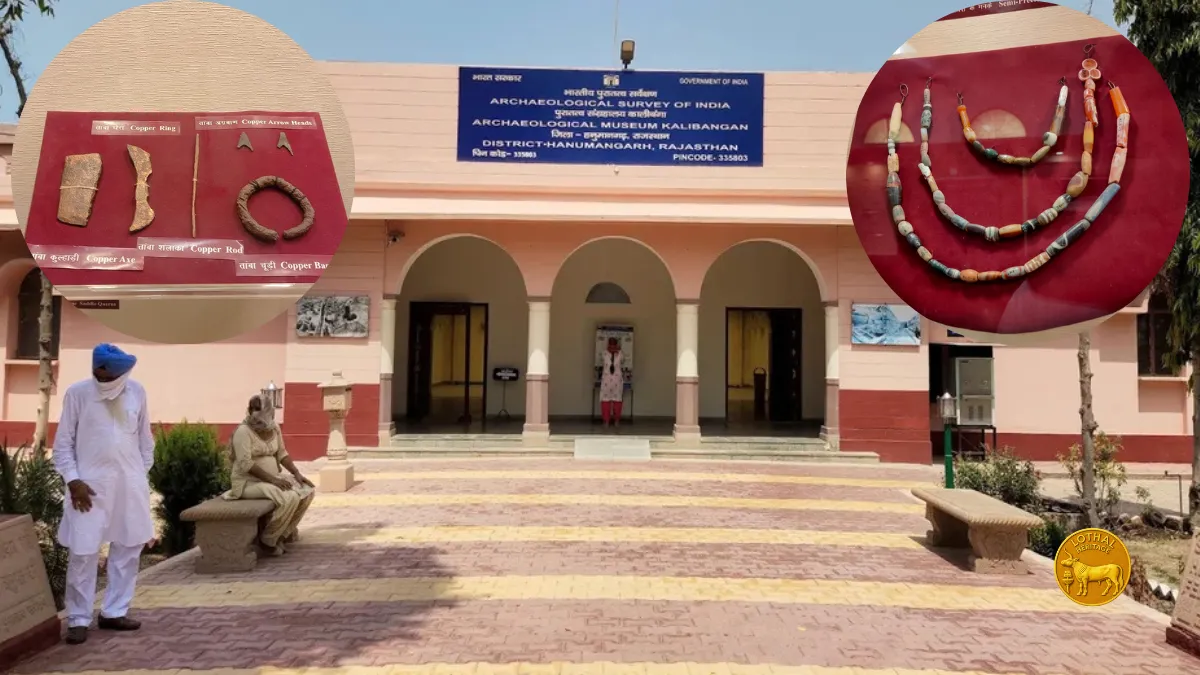
| Craftsmanship Zone | Bead-making tools, pottery, seals | Highlights Harappan industries |
| Urban Life Gallery | City layout models, household items | Depicts lifestyle and social structure |
| Maritime Technology | Ship replicas, navigation techniques | Demonstrates early maritime skills |
Lothal: A Glimpse Into an Advanced Ancient Port
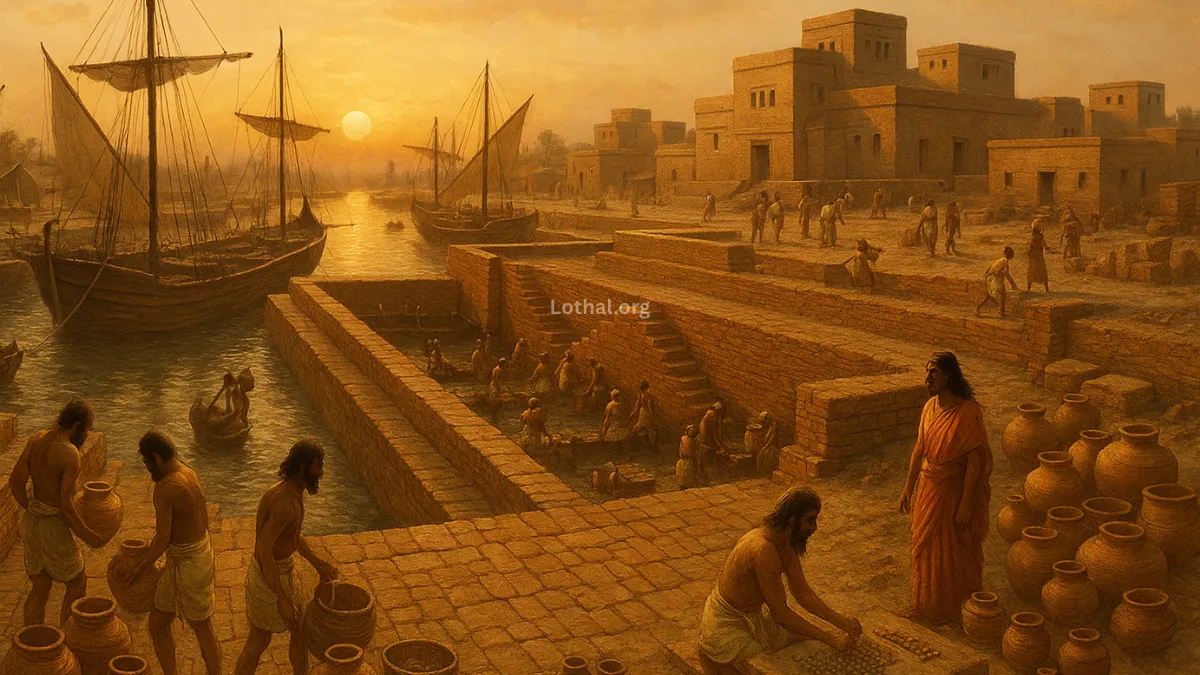
The site of Lothal, which the lothal maritime museum seeks to interpret, was strategically located near rivers that once connected it to the Gulf of Khambhat. Excavations reveal an exceptional level of planning. Streets were laid out in a grid pattern, houses had proper drainage systems and public structures were built with long-term utility in mind.
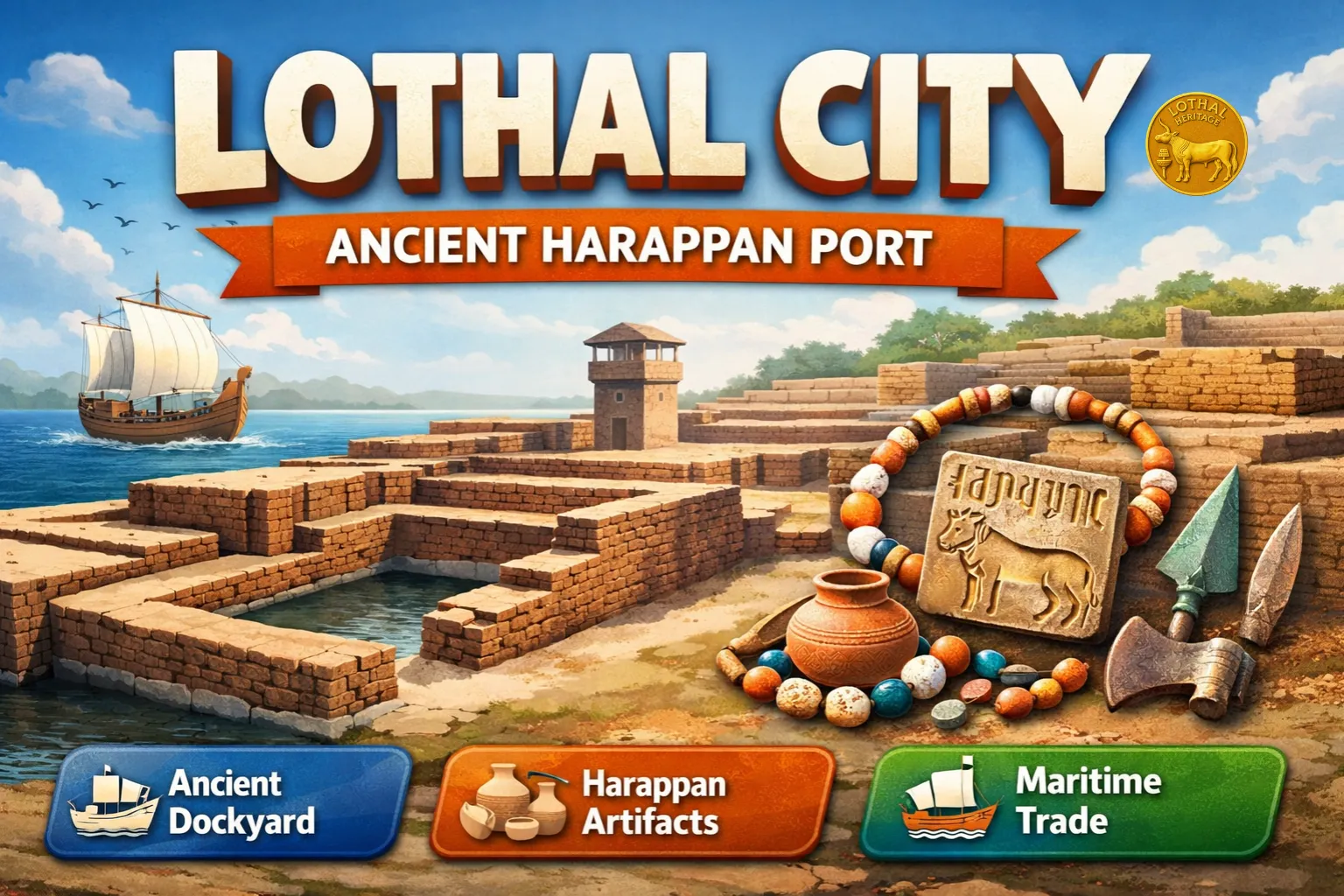
The most striking feature is the massive dockyard, constructed with baked bricks and designed to manage tidal movements. Its scale and precision indicate deep knowledge of hydrodynamics. This structure sets Lothal apart from other Harappan sites and establishes its status as an ancient maritime center.
Evidence suggests that Lothal’s merchants traded beads, gemstones, shells, copper objects and ceramics with regions such as Mesopotamia, Oman and Bahrain. The discovery of seals, weights and standardized measures points to an organized economic system. The museum’s narrative brings these findings into focus to help visitors appreciate how connected the ancient world truly was.
The Story of Craftsmanship and Innovation
The Harappan people of Lothal were skilled artisans whose work influenced trade across distant lands. Bead-making workshops found at the site reveal expertise in working with materials like agate, carnelian and shell. Pottery from Lothal carries intricate designs that suggest a flourishing cultural identity.
The lothal maritime museum showcases these crafts to highlight how technological innovation supported trade. Precision tools, furnaces and manufacturing areas uncovered during excavations show a community dedicated to producing high-quality goods. Through well-curated displays, the museum helps visitors understand the economic and cultural value of these industries.
Reconstructing Trade Networks
Another important theme explored in the museum is Lothal’s connection to ancient trade networks. Archaeologists have found evidence of goods that originated outside the Indian subcontinent, suggesting long-distance trade. Items such as seals with foreign symbols, imported shells and materials not native to the region reveal how Lothal participated in a vast commercial system.
The lothal maritime museum introduces visitors to these connections using maps, trade replicas and reconstructed artifacts. It brings alive the story of sailors navigating the Arabian Sea, traders exchanging goods and settlements thriving through maritime commerce.
Why the Museum Matters Today
In the modern era, where globalization continues to shape economies and societies, the lessons from Lothal offer valuable insights. The town’s success was built on innovation, connectivity and efficient planning. The museum helps reflect on these timeless principles, making the past relevant to contemporary audiences.
The creation of the lothal maritime museum also strengthens cultural preservation by ensuring that future generations understand the importance of India’s maritime history. For students, researchers and visitors, it offers a rare combination of education and exploration.
Also read: Exploring the Legacy of the Indus Valley at the Lothal Museum
A Significant Addition to India’s Heritage Landscape
As a cultural institution, the lothal maritime museum contributes to India’s growing network of museums dedicated to archaeology, heritage and maritime history. Its focus on an ancient port makes it unique in both scope and narrative. With Lothal being one of the most important Harappan sites, the museum stands to become a major attraction for scholars and tourists alike.
By presenting the story of a civilization that excelled in engineering, trade and urban planning, the museum offers a deeper understanding of the roots of Indian maritime culture. It reinforces the idea that long before modern ports and shipping lanes, ancient communities were already exploring the seas with remarkable sophistication.
Also read: Lothal Gujarat: Exploring One of India’s Earliest Urban Civilizations
Conclusion
The lothal maritime museum plays a crucial role in preserving and presenting the maritime legacy of one of the world’s earliest civilizations. Through its exhibits, reconstructions and educational spaces, it helps bridge the gap between archaeology and public understanding. As an institution dedicated to celebrating an ancient port town that once connected cultures across continents, it stands as a testament to human ingenuity and the timeless spirit of exploration.