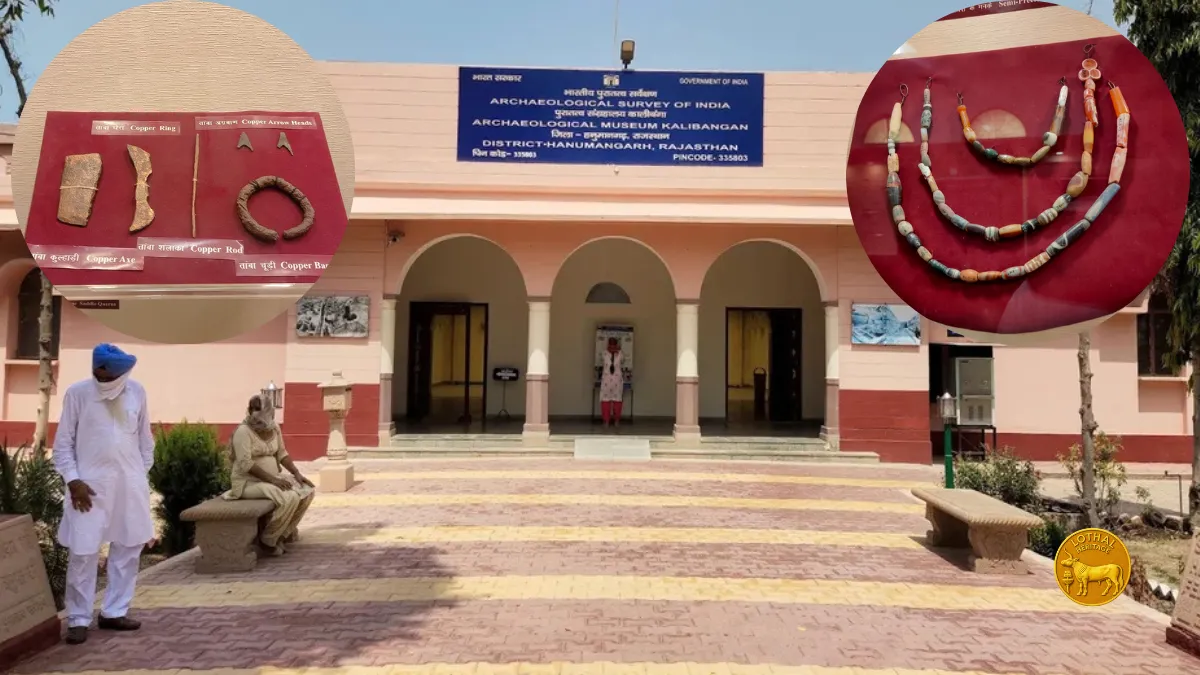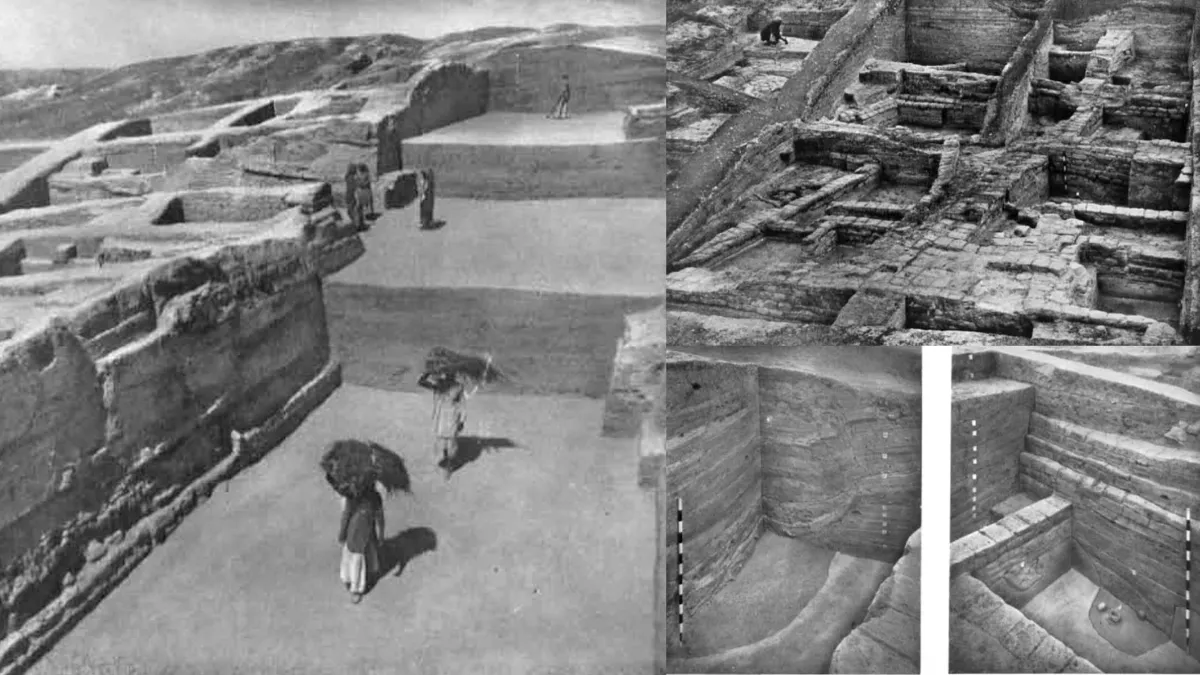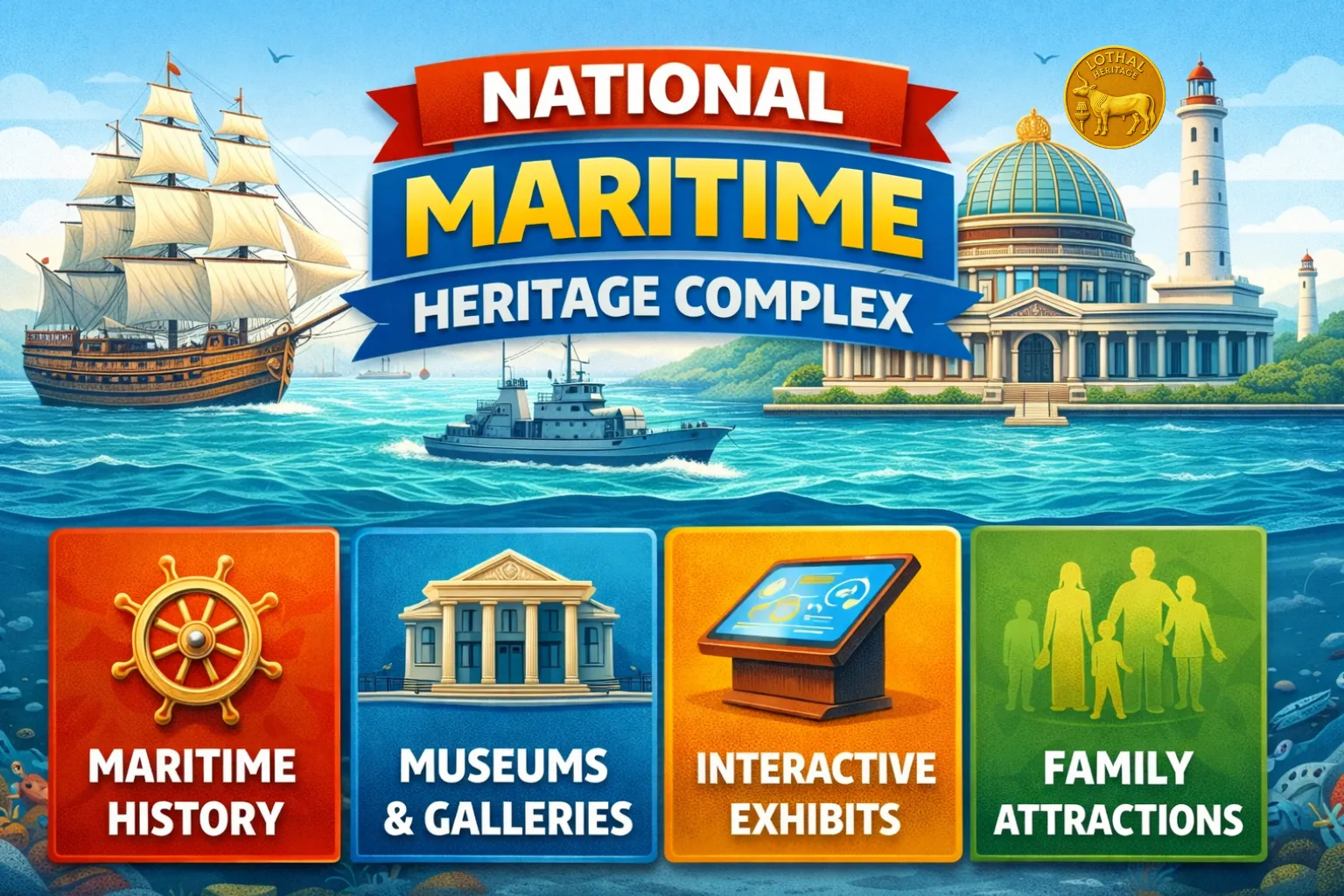
In a significant step towards preserving and showcasing India’s ancient seafaring legacy on a global platform, India and the Netherlands have formally signed a Memorandum of Understanding (MoU) to strengthen cooperation in maritime heritage. The agreement marks a major milestone in the development of the ambitious National Maritime Heritage Complex at Lothal in Gujarat, a site globally recognised for its role in the Indus Valley Civilisation’s maritime trade network over 4,500 years ago.
The MoU was exchanged during a high-level bilateral meeting between India’s External Affairs Minister, Dr. S. Jaishankar, and Dutch Foreign Minister David van Weel. This agreement brings together two prestigious institutions—the National Maritime Heritage Complex, being developed under India’s Ministry of Ports, Shipping and Waterways, and the world-renowned National Maritime Museum in Amsterdam—creating a powerful international partnership aimed at heritage preservation, research, and public education.
A Strategic Cultural Partnership Rooted in Maritime History
The collaboration between India and the Netherlands reflects a shared appreciation of maritime history and its role in shaping global trade, culture, and diplomacy. Both nations have deep-rooted seafaring traditions-India with its ancient ports and oceanic trade routes, and the Netherlands with its centuries-old maritime dominance during the Age of Exploration.
Under the MoU, both sides have committed to working closely on the exchange of knowledge, technical expertise, and best practices in maritime museum planning, design, conservation, and curation. This partnership is expected to elevate the National Maritime Heritage Complex to international standards, positioning it among the world’s leading maritime cultural institutions.
The agreement also outlines cooperation in joint exhibitions, collaborative research programmes, academic exchanges, and cultural initiatives. By leveraging Dutch expertise in museum innovation and heritage management, the Lothal complex is expected to offer immersive, educational, and technologically advanced visitor experiences.
Lothal: The Heart of India’s Ancient Maritime Legacy
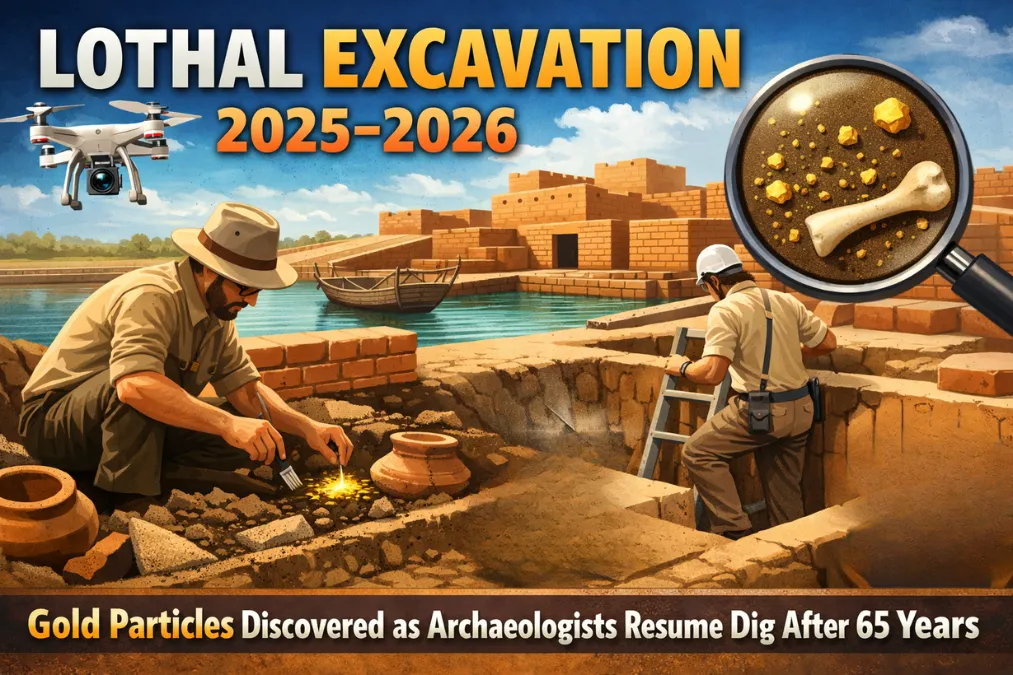
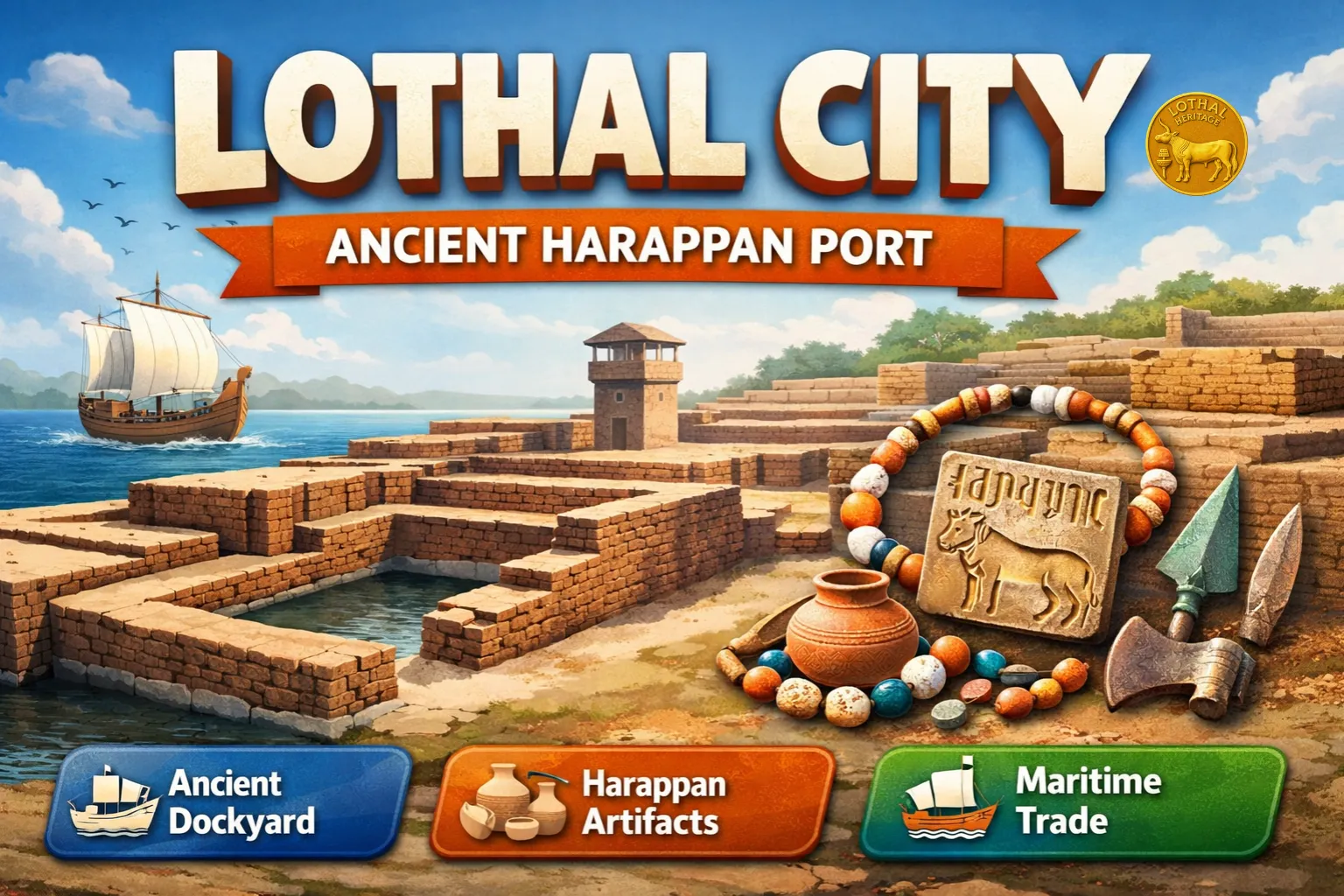
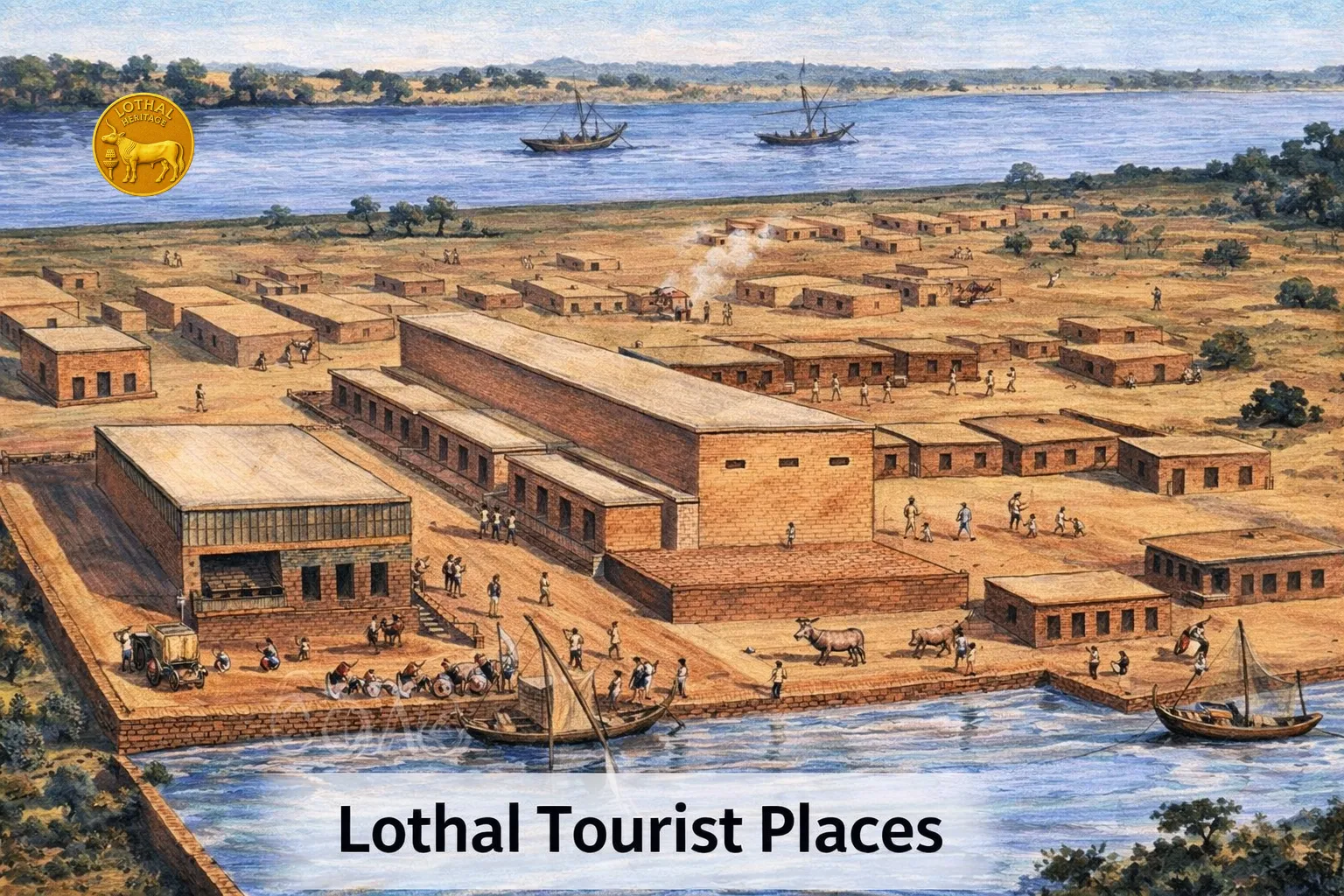
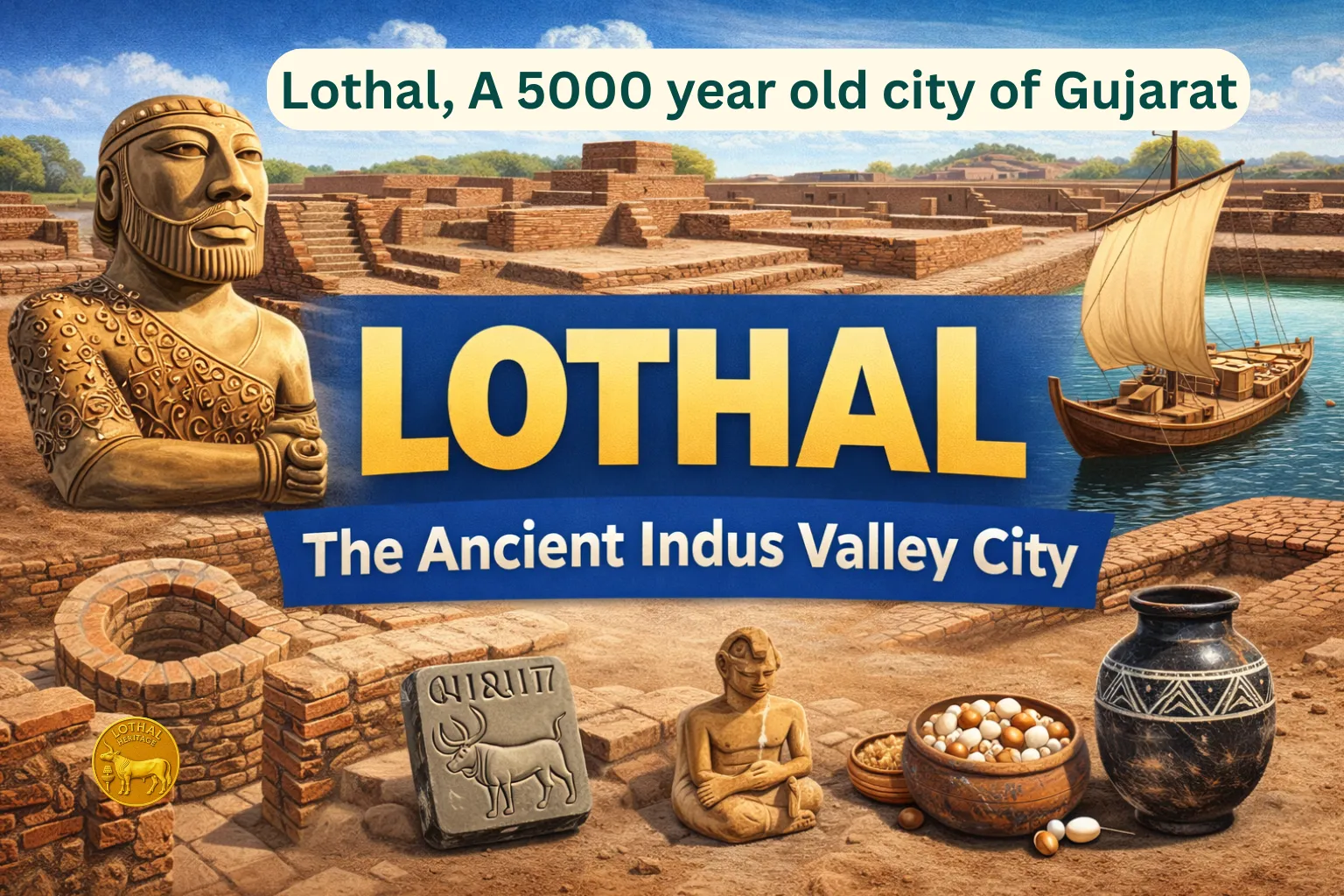
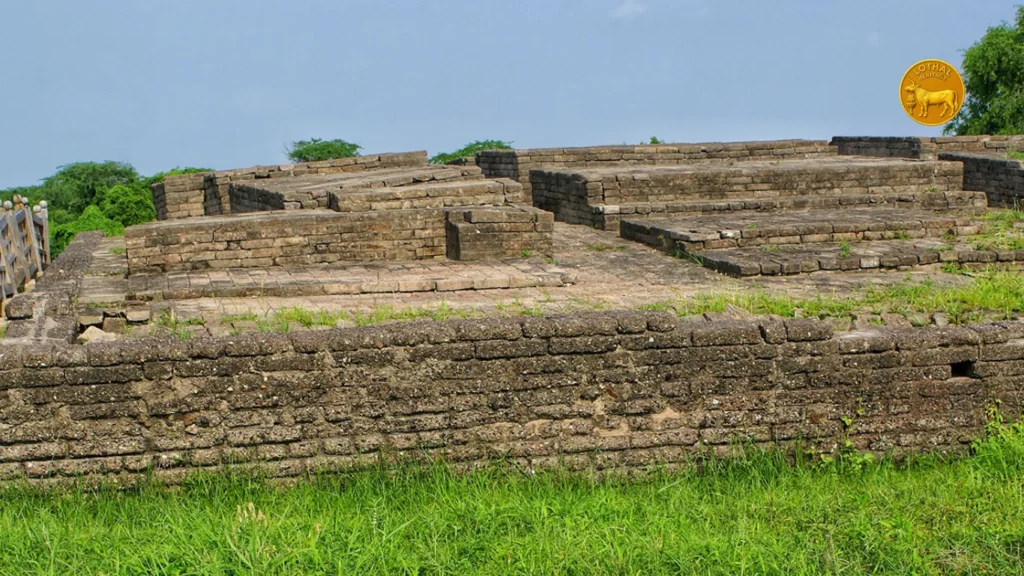
Located in Gujarat’s Ahmedabad district, Lothal is one of the most significant archaeological sites of the Harappan or Indus Valley Civilisation. Dating back to around 2500 BCE, the ancient port city is believed to have played a crucial role in maritime trade with Mesopotamia, Persia, and other regions.
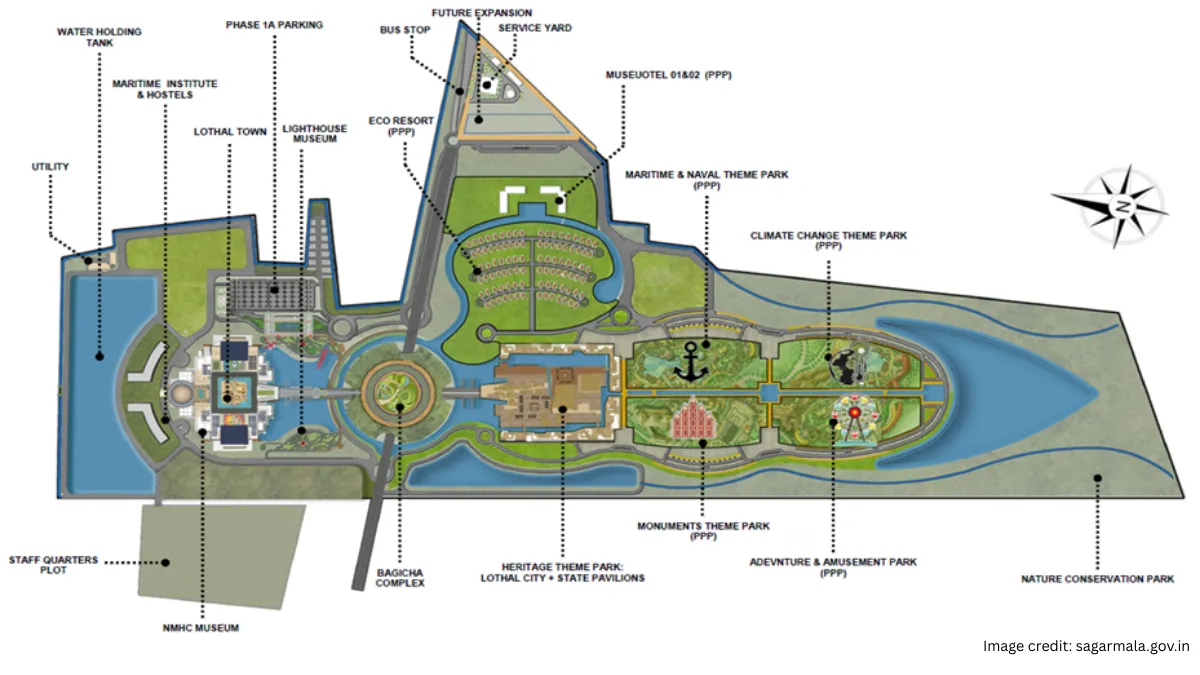
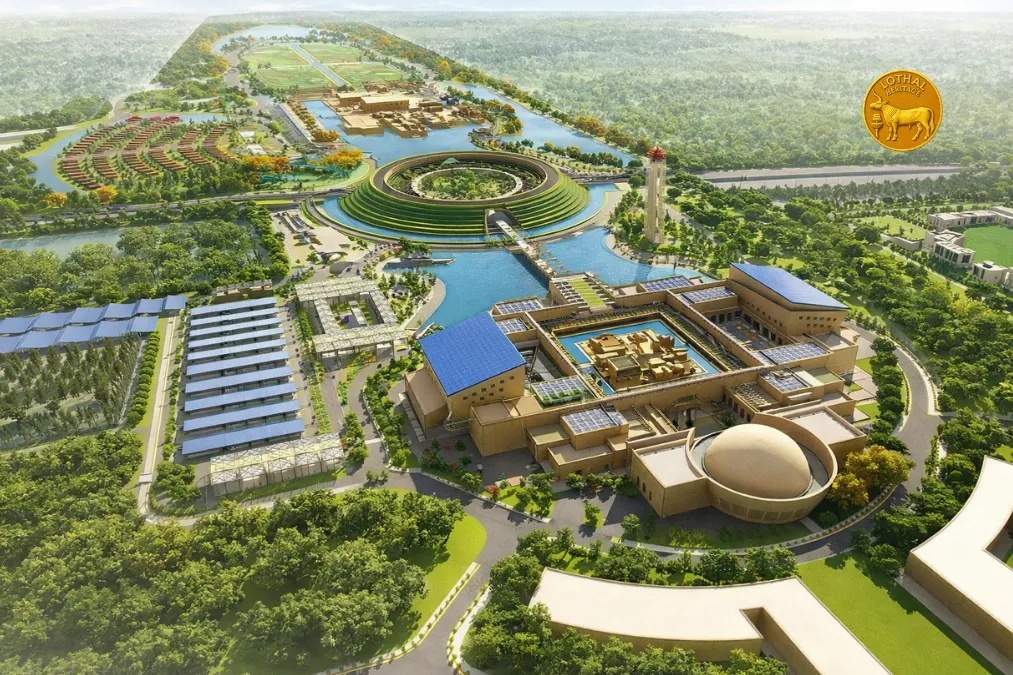
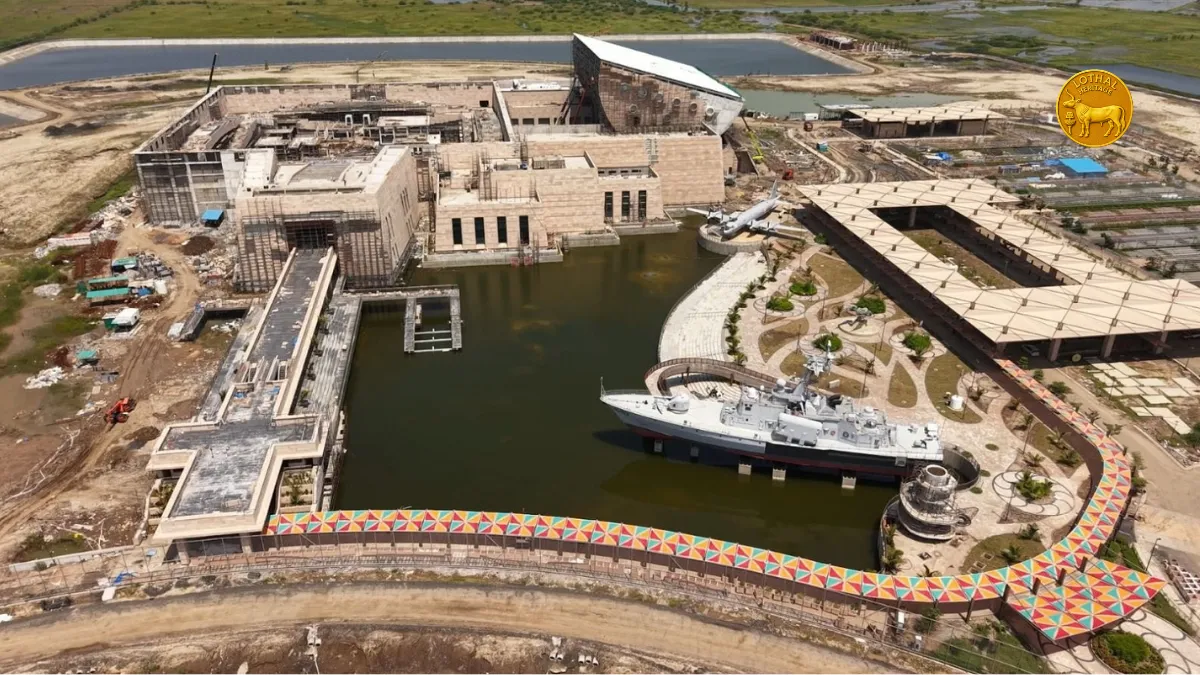
The National Maritime Heritage Complex at Lothal is envisioned as a world-class institution that narrates India’s maritime journey-from prehistoric coastal settlements and riverine trade to colonial-era shipping and modern maritime advancements. Once completed, the complex will stand as a testament to India’s enduring relationship with the seas.
The project aims not only to preserve artefacts and historical narratives but also to tell the story of India’s maritime evolution in an engaging and accessible manner. With the Netherlands’ National Maritime Museum as a partner, the complex will benefit from international curatorial standards and global outreach strategies.
Enhancing Global Visibility and Educational Access
One of the key objectives of the MoU is to enhance the international visibility of the National Maritime Heritage Complex. Cooperation with the Amsterdam-based museum is expected to significantly boost the complex’s global profile, attracting researchers, historians, students, and tourists from around the world, particularly from Europe and North America.
The partnership also places a strong emphasis on inclusive education. Plans include developing programmes that ensure affordable access for students, local communities, and underprivileged groups. By integrating interactive learning tools, digital archives, and educational workshops, the complex aims to become a centre of knowledge that bridges academic research and public understanding.
Innovative approaches to storytelling, including multimedia installations, virtual reality experiences, and hands-on exhibits, are expected to make maritime history more relatable and engaging for younger generations.
Government of India’s Vision for Heritage and Innovation
Union Minister of Ports, Shipping and Waterways, Sarbananda Sonowal, described the MoU as a landmark achievement in India’s efforts to take its rich maritime heritage to the global stage. He emphasised that the partnership with the Netherlands would bring world-class expertise in conservation, museum design, and heritage management.
According to Sonowal, the collaboration aligns closely with the Prime Minister’s broader vision of blending heritage with innovation. By combining historical preservation with modern technology, the National Maritime Heritage Complex is expected to promote sustainable tourism, inclusive education, and stronger people-to-people connections between nations.
The minister also highlighted that maritime heritage is not merely about the past but serves as a foundation for future cooperation in trade, technology, and cultural diplomacy.
Strengthening India–Netherlands Bilateral Relations
Beyond heritage cooperation, the MoU reflects the deepening strategic and cultural relationship between India and the Netherlands. During their meeting, Dr. S. Jaishankar and David van Weel also discussed expanding collaboration in key maritime and shipping sectors.
These discussions included areas such as green shipping initiatives, sustainable port development, shipbuilding, and maritime innovation. Both ministers acknowledged the long maritime histories of their respective countries and expressed a shared commitment to sustainable ocean governance and environmentally responsible maritime practices.
The Netherlands, known globally for its expertise in port management, water engineering, and maritime logistics, is seen as a valuable partner in India’s efforts to modernise its maritime infrastructure.
Museum Collaboration: Knowledge, Conservation, and Innovation
A core component of the MoU is the structured exchange of professional expertise between Indian and Dutch institutions. This includes training programmes for museum professionals, conservators, and curators, as well as collaborative research into maritime archaeology and history.
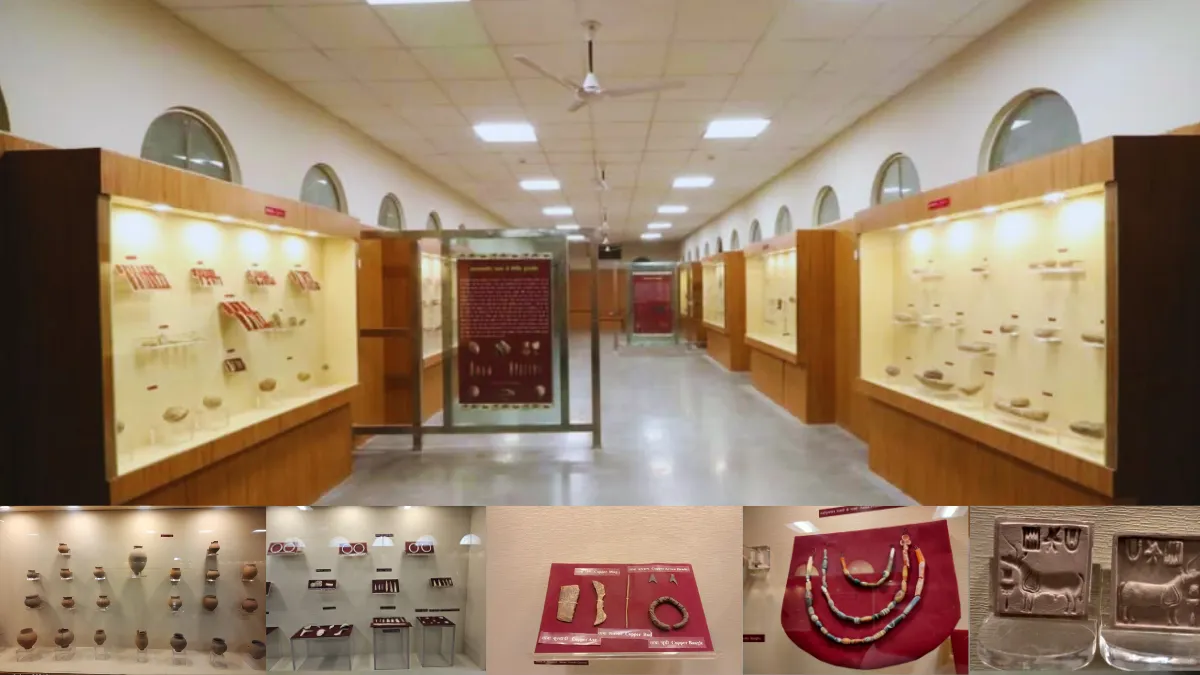
The National Maritime Museum in Amsterdam brings decades of experience in preserving shipwrecks, nautical artefacts, and maritime art. Its involvement is expected to guide the National Maritime Heritage Complex in adopting international best practices for conservation and long-term preservation.
Joint exhibitions showcasing shared maritime narratives—such as global trade routes, navigation technologies, and cultural exchanges—are also planned. These exhibitions may travel between India and the Netherlands, further strengthening cultural ties and international engagement.
Boosting Tourism and Regional Development in Gujarat
The development of the National Maritime Heritage Complex is also expected to have a transformative impact on tourism and regional development in Gujarat. Lothal, already an important archaeological site, is poised to become a major cultural tourism destination once the complex is operational.
By attracting domestic and international visitors, the project is likely to generate employment opportunities, support local businesses, and contribute to the economic growth of surrounding communities. The focus on inclusive access ensures that the benefits of tourism are shared more equitably.
Infrastructure development around the site, including transport connectivity and visitor facilities, is expected to further enhance Lothal’s appeal as a global heritage destination.
Preserving Maritime Heritage for Future Generations
The MoU underscores a shared commitment by India and the Netherlands to preserve maritime heritage not just as static history, but as a living narrative that continues to shape societies and economies. By investing in research, education, and public engagement, the partnership aims to ensure that maritime heritage remains relevant to future generations.
The National Maritime Heritage Complex is designed to be more than a museum—it is envisioned as a dynamic cultural hub where history, innovation, and international cooperation converge. From ancient dockyards and trade routes to modern shipping and ocean sustainability, the complex will present a comprehensive view of humanity’s relationship with the seas.
A Model for International Cultural Cooperation
Cultural experts have described the MoU as a model for international cooperation in heritage preservation. By combining India’s rich historical resources with the Netherlands’ technical expertise, the partnership demonstrates how cross-border collaboration can enhance cultural understanding and global engagement.
As geopolitical and economic ties between nations continue to evolve, such cultural initiatives play a crucial role in fostering mutual respect and long-term relationships. The National Maritime Heritage Complex at Lothal stands as a symbol of this collaborative spirit.
Read also: Lothal Museum Timings: Entry Hours, Best Visiting Time, and Travel Tips
Looking Ahead: A Global Maritime Landmark
With the signing of this MoU, the path is now clearer for the National Maritime Heritage Complex to emerge as one of the world’s premier maritime heritage institutions. As planning and development progress, the partnership with the Netherlands is expected to shape every aspect of the project—from exhibition design and conservation methods to educational outreach and global promotion.
For India, the initiative represents a renewed effort to reclaim and celebrate its maritime identity, reminding the world of its ancient role in global trade and cultural exchange. For the Netherlands, it offers an opportunity to deepen ties with a key global partner while contributing to the preservation of shared maritime history.
As both nations work together to bring the vision of the National Maritime Heritage Complex to life, the project promises to set new benchmarks in heritage preservation, international collaboration, and cultural diplomacy-ensuring that the story of the seas continues to inspire generations across the world.