Lothal, Gujarat | September 3, 2025
NATIONAL MARITIME HERITAGE COMPLEX: In a significant moment for India’s maritime history and naval future, Admiral Dinesh K. Tripathi, Chief of the Naval Staff (CNS), undertook an extensive visit to the NATIONAL MARITIME HERITAGE COMPLEX (NMHC) at Lothal, Gujarat, on September 3, 2025. The visit underscored the Indian Navy’s deep-rooted connection with the nation’s seafaring traditions while reaffirming its role in shaping a forward-looking maritime vision for the 21st century.
The Chief of the Naval Staff’s visit to Lothal was marked by a detailed review of the ongoing development at the NATIONAL MARITIME HERITAGE COMPLEX, engagement with senior project stakeholders, inspection of key naval exhibits and heritage artefacts, and a tour of the newly built Varuna Naval Complex. The visit also included a meaningful stop at the historic archaeological site of Lothal, one of the most important ancient maritime centres of the Indus Valley Civilisation.
A Strategic Visit to a National Maritime Landmark
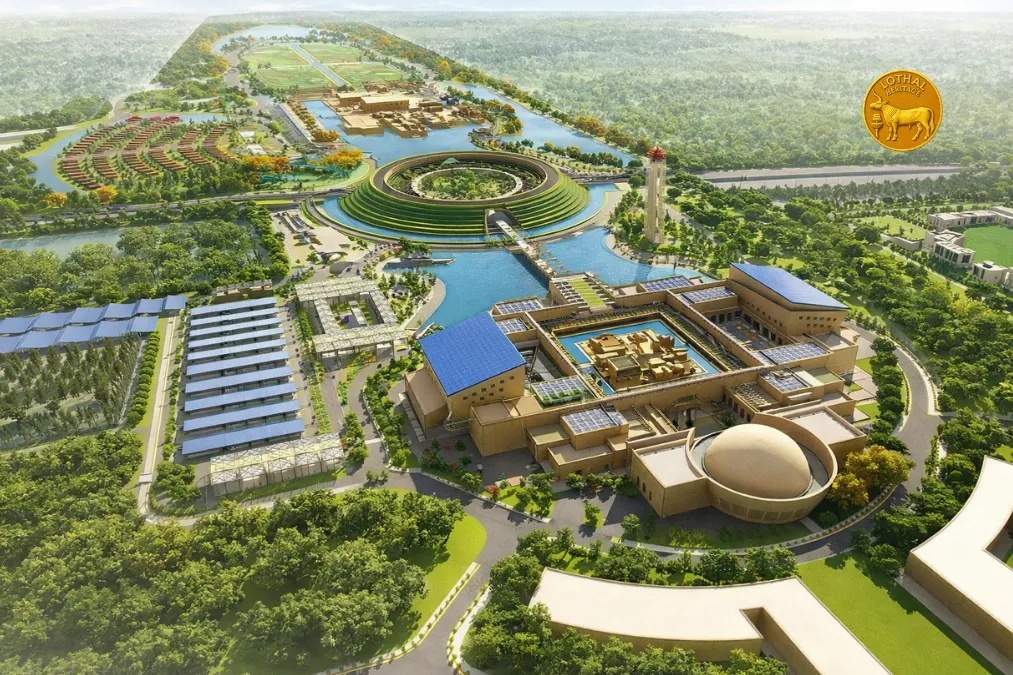
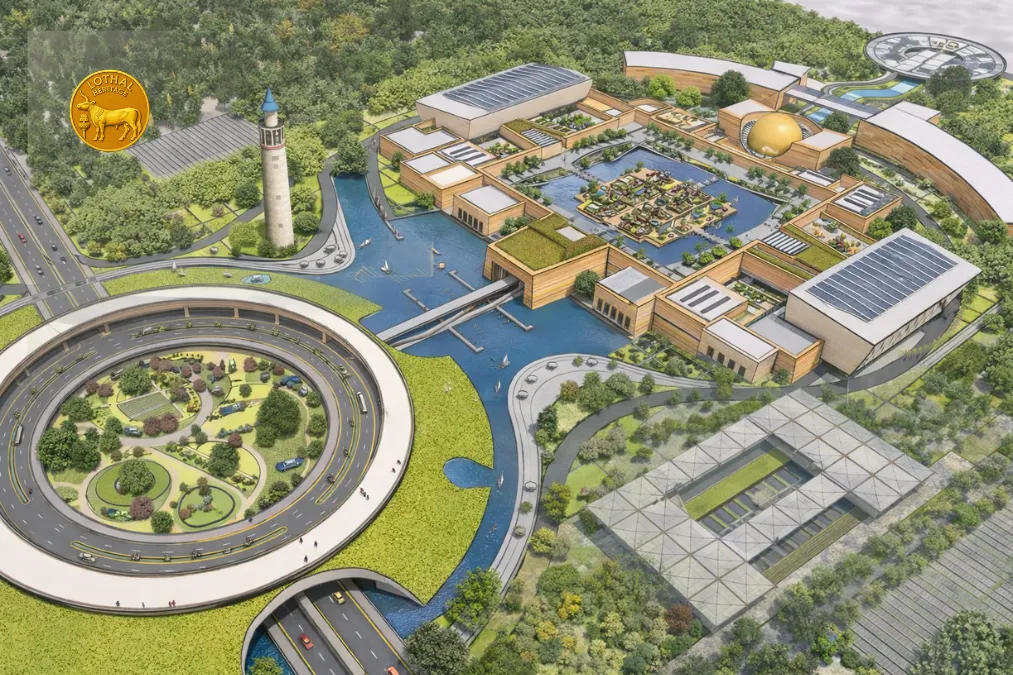
The NATIONAL MARITIME HERITAGE COMPLEX at Lothal is emerging as one of India’s most ambitious cultural and educational infrastructure projects. During his visit, Admiral Tripathi was given a comprehensive overview of the project’s scope, objectives, and progress. Designed to become one of the largest maritime museums in the world, the NMHC aims to narrate India’s long and illustrious maritime story—from ancient trade routes and shipbuilding traditions to modern naval power and technological excellence.
Spread across an expansive area of approximately 400 acres, the complex is being developed under the aegis of the Ministry of Ports, Shipping, and Waterways, with strong support from the Government of Gujarat and significant contributions from the Indian Navy. Once completed, the NATIONAL MARITIME HERITAGE COMPLEX is expected to serve as a global centre for maritime education, research, tourism, and cultural exchange.
Admiral Tripathi’s presence at the site highlighted the Indian Navy’s commitment to preserving and presenting India’s maritime heritage in a manner that resonates with both domestic and international audiences.
Detailed Tour of Naval Exhibits and Heritage Artefacts
One of the key highlights of the Chief of the Naval Staff’s visit was an immersive walkthrough of the naval exhibits and heritage platforms that form the backbone of the NATIONAL MARITIME HERITAGE COMPLEX. These exhibits have been carefully curated to provide visitors with a first-hand understanding of naval technology, operational history, and the evolution of India’s maritime defence capabilities.
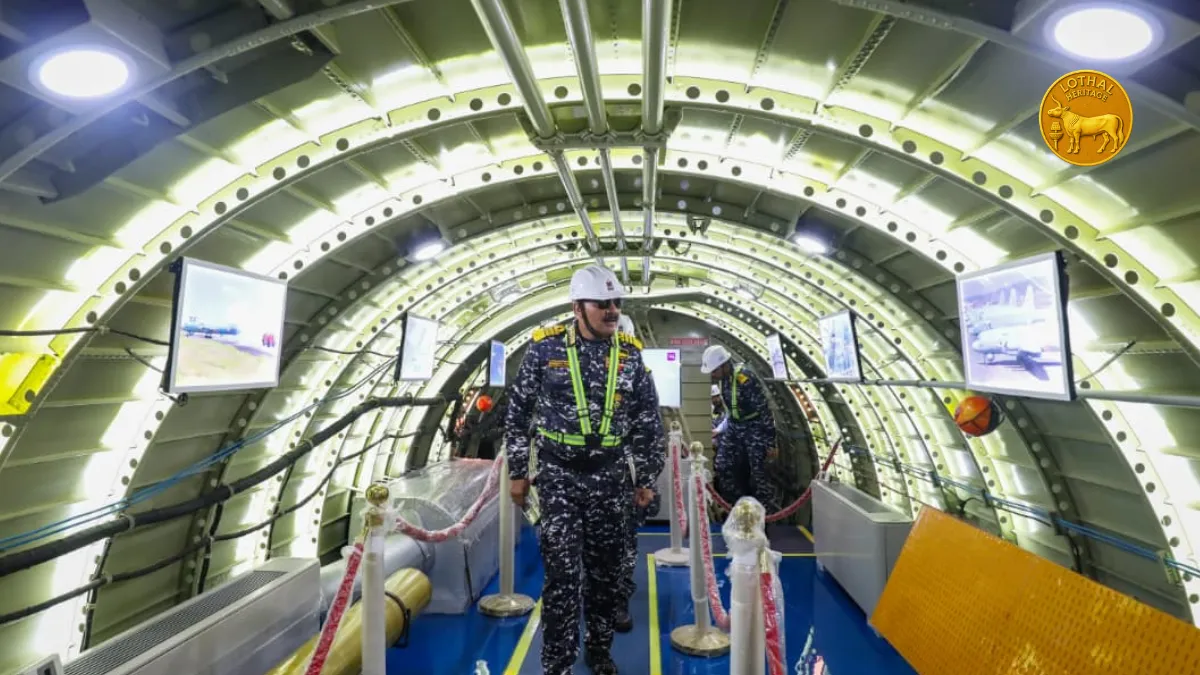
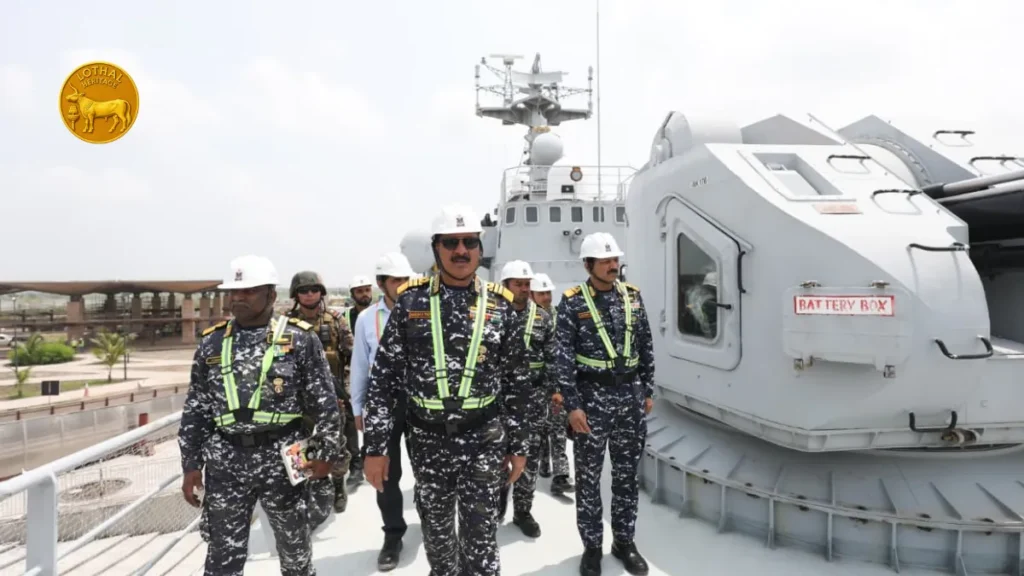
During the tour, Admiral Tripathi inspected the warship INS Nishank, a significant naval platform that stands as a symbol of India’s naval prowess. The visit also included an up-close look at the IL-38 SD Maritime Reconnaissance Aircraft, which has played a crucial role in long-range maritime surveillance and anti-submarine warfare.
Naval aviation assets on display drew particular attention. These included naval helicopters such as the UH-3H, as well as the iconic deck-based fighter aircraft Sea Harrier, which has a distinguished service record in the Indian Navy. These aircraft reflect the technological evolution of naval aviation and its importance in securing India’s maritime interests.
The artefact collection at the NATIONAL MARITIME HERITAGE COMPLEX is both extensive and impressive. Admiral Tripathi reviewed a wide range of naval weaponry and systems, including the AK-176 Gun Mount, the 4.5-inch Gun Mount, and the ZIF-101 Surface-to-Air Missile Launcher. These systems illustrate the progression of naval firepower and defence mechanisms over the decades.
Heavy and specialised artefacts on display further enrich the narrative of India’s naval journey. Missile models such as the P-21 and BrahMos showcase India’s advancements in missile technology and indigenous defence manufacturing. Engine models, including Internal Combustion Engines (ICE) and Gas Turbines (GT), provide insights into the propulsion systems that power modern naval vessels.
Other notable exhibits include the Underwater Chariot, a specialised underwater vehicle, and the Sea Eagle missile system, both of which highlight the Navy’s capabilities in underwater operations and precision strike warfare. Together, these exhibits transform the NATIONAL MARITIME HERITAGE COMPLEX into a living classroom for naval history and technology.
Review of Construction Progress and Phase 1A Milestones
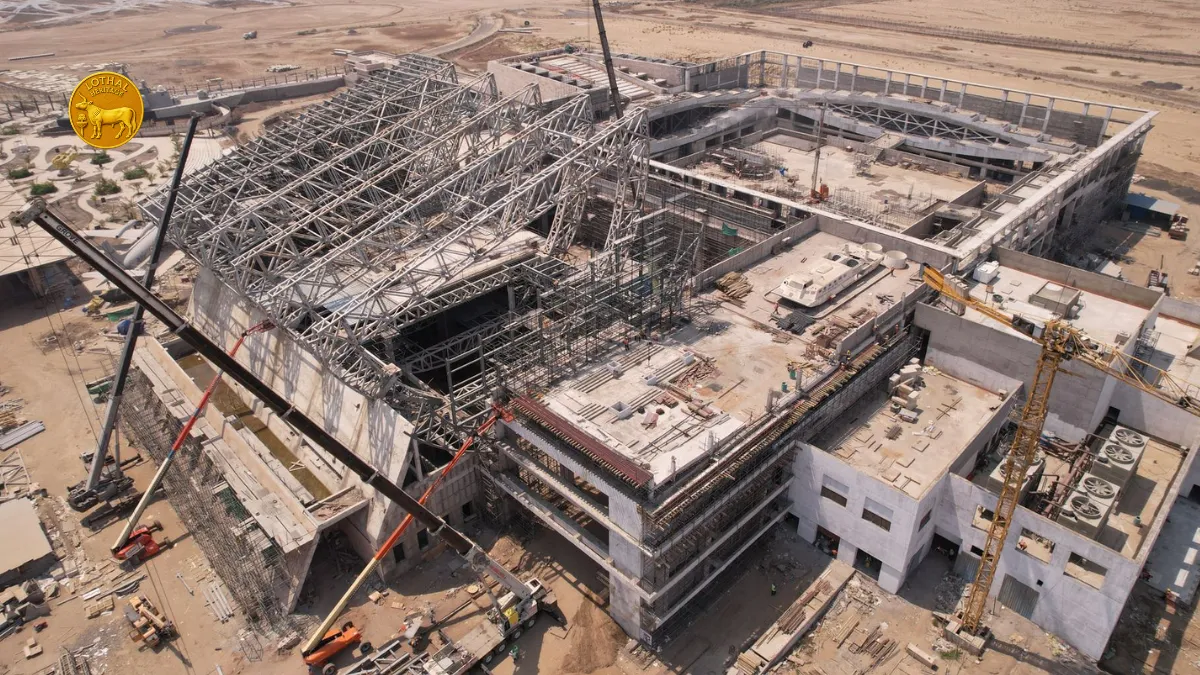
As part of the visit, Admiral Tripathi was formally briefed on the progress of construction activities at the NMHC. The briefing was led by Rear Admiral Sathish Vasudev, Flag Officer Commanding Gujarat, Daman and Diu Naval Area, along with Commander Ranjot Singh, Officer-in-Charge of the NATIONAL MARITIME HERITAGE COMPLEX at Lothal.
The briefing focused on Phase 1A of the project, which is currently under active development and is scheduled for completion by the end of 2025. This phase includes several key components of the museum infrastructure, foundational galleries, and essential visitor facilities.
Officials highlighted that the project is progressing as per planned timelines, with coordinated efforts from multiple stakeholders ensuring smooth execution. Admiral Tripathi expressed satisfaction with the pace and quality of work, noting that timely completion of Phase 1A would mark a major milestone in the realisation of the NATIONAL MARITIME HERITAGE COMPLEX’s vision.
Varuna Naval Complex: Strengthening Naval Presence at NMHC
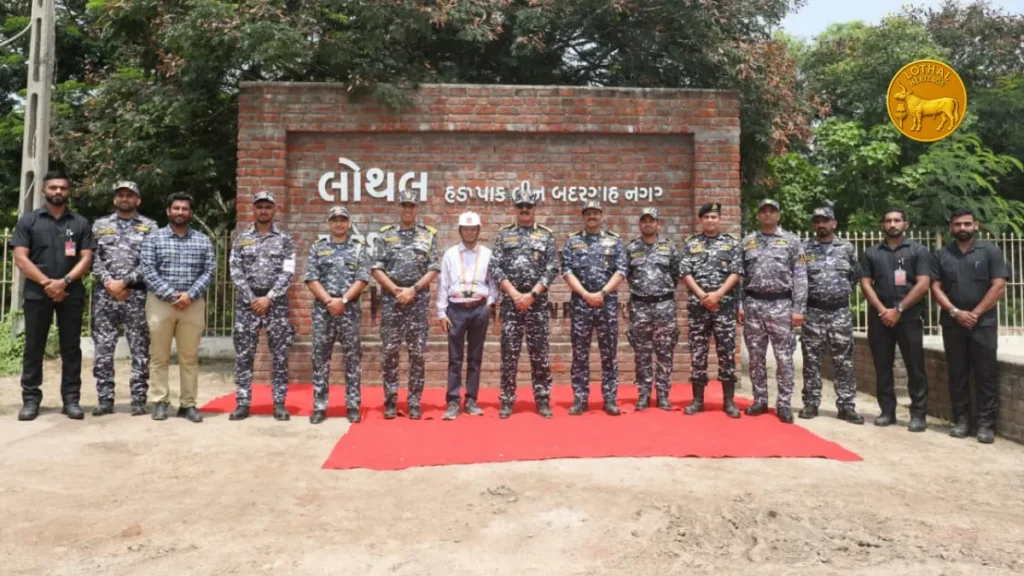
Another important aspect of the visit was the inspection of the newly constructed Varuna Naval Complex, an administrative and residential facility developed by the Indian Navy within the NMHC campus. The Varuna Naval Complex has been established to support naval personnel deployed at the site and to ensure close oversight of both the construction process and the maintenance of valuable naval artefacts.
Admiral Tripathi toured the facility and interacted with naval personnel stationed there. He emphasised the importance of maintaining high standards of professionalism and vigilance, given the historical and national significance of the NATIONAL MARITIME HERITAGE COMPLEX.
The presence of the Indian Navy at the site through the Varuna Naval Complex reinforces the institution’s custodial role in safeguarding India’s maritime legacy. It also ensures that the naval exhibits and heritage platforms are preserved with authenticity and technical accuracy.
Engagement with Key Stakeholders and Project Partners
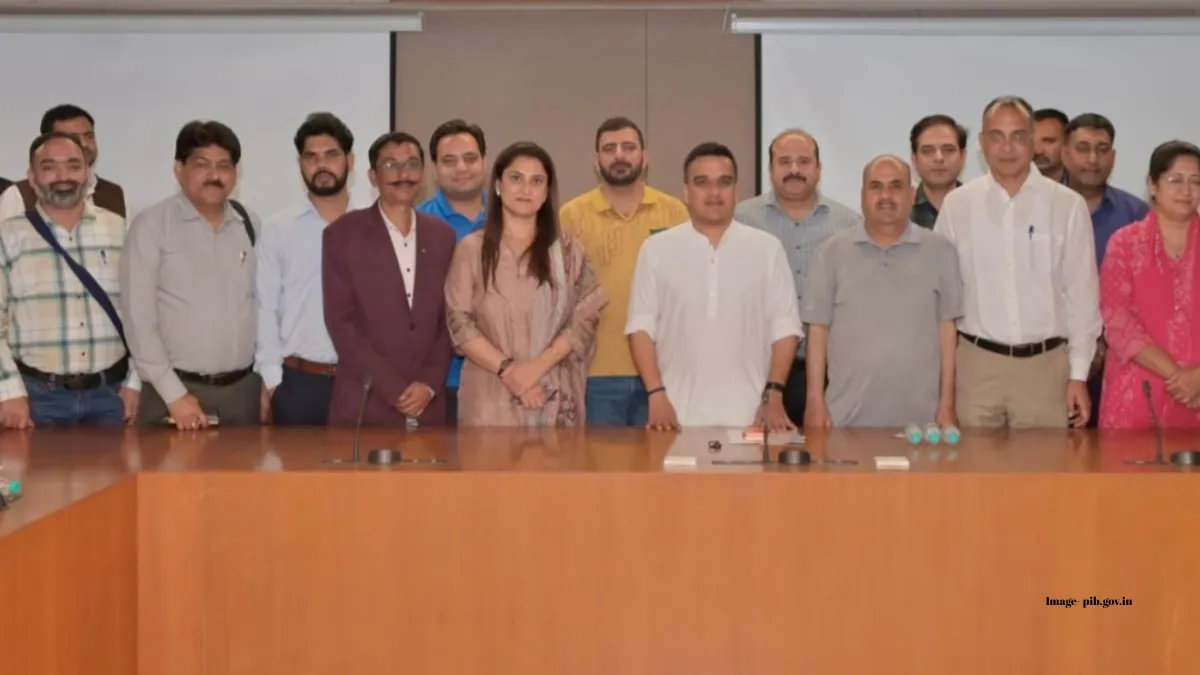
During his visit, the Chief of the Naval Staff met with several senior officials and representatives associated with the NMHC project. These included Commodore Doraibabu, Deputy Director of the Maritime Heritage Society (MHS), as well as representatives from Indian Ports Rail and Ropeways Corporation Limited (IPRCL) and Tata Projects Limited, both of which are playing crucial roles in the project’s execution.
In his interactions, Admiral Tripathi praised the collaborative spirit and synergy among the various stakeholders involved in the development of the NATIONAL MARITIME HERITAGE COMPLEX. He described the project as a “living testimony to India’s maritime past, present, and future,” highlighting its potential to inspire generations of Indians and visitors from around the world.
He encouraged the project teams to maintain momentum, adhere to high standards of quality, and remain committed to the shared vision of creating a world-class maritime heritage destination.
Revisiting Lothal: Connecting Ancient Maritime Glory with Modern Naval Vision
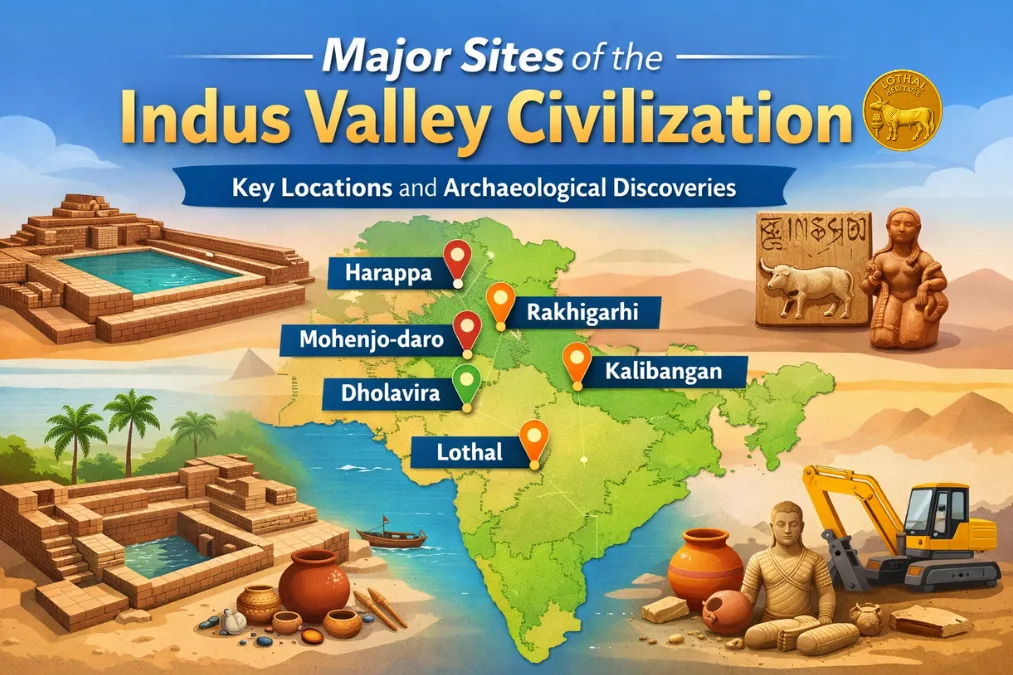
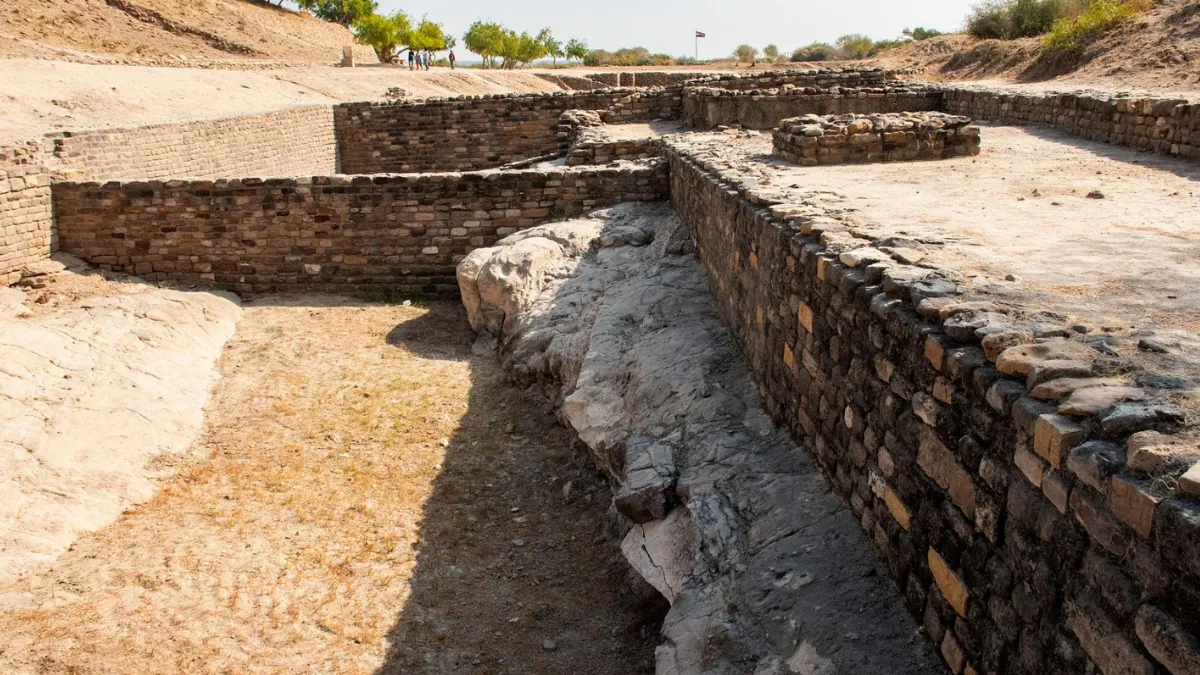
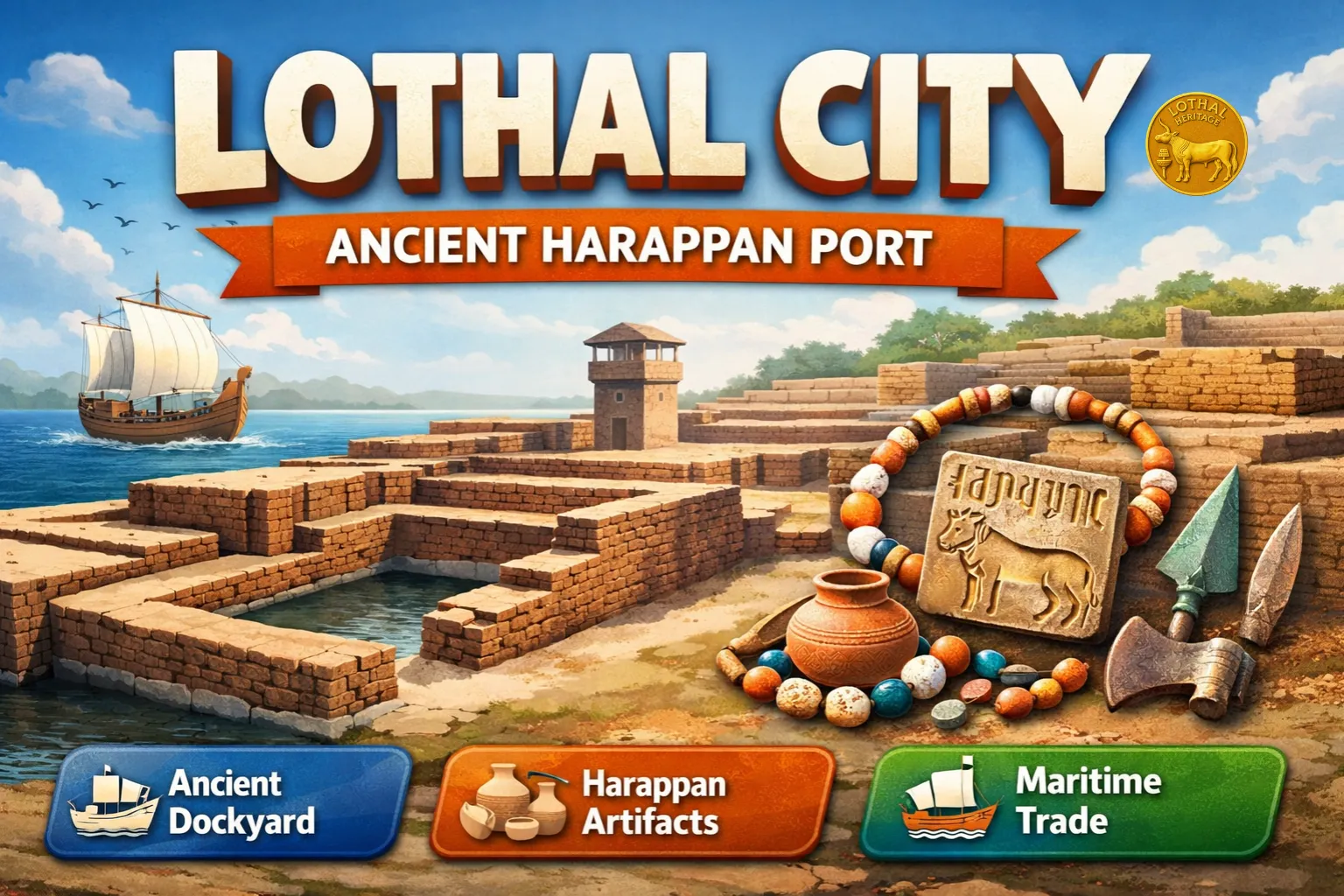
A deeply symbolic part of the visit was Admiral Tripathi’s tour of the Archaeological Survey of India (ASI) site at Lothal. Located near the NMHC, the ancient city of Lothal is one of the most remarkable archaeological sites of the Indus Valley Civilisation and holds immense significance in global maritime history.
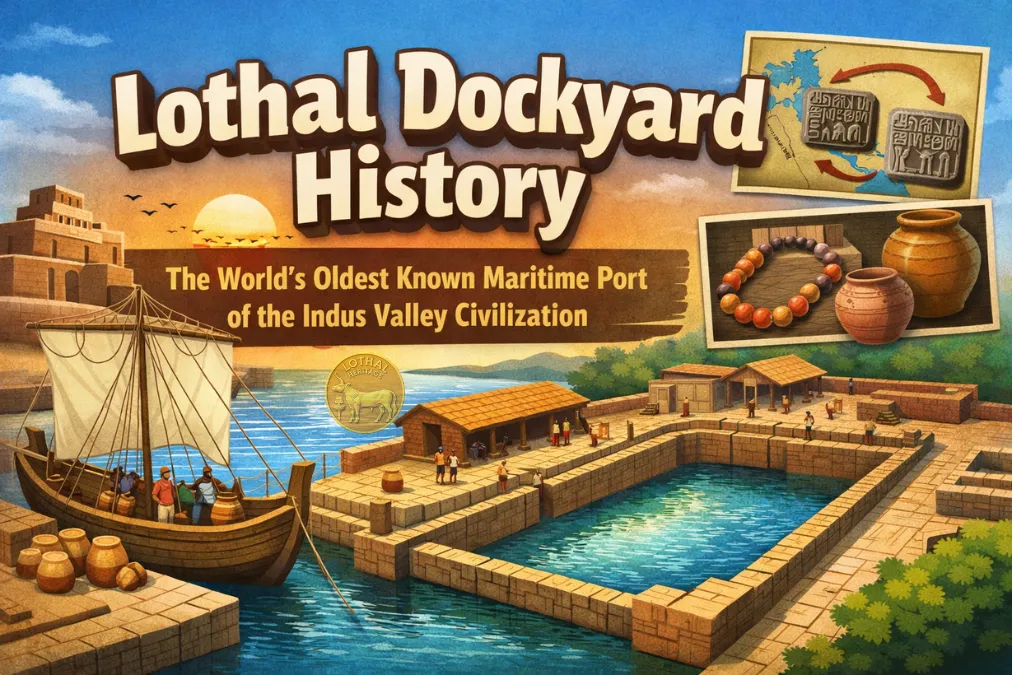
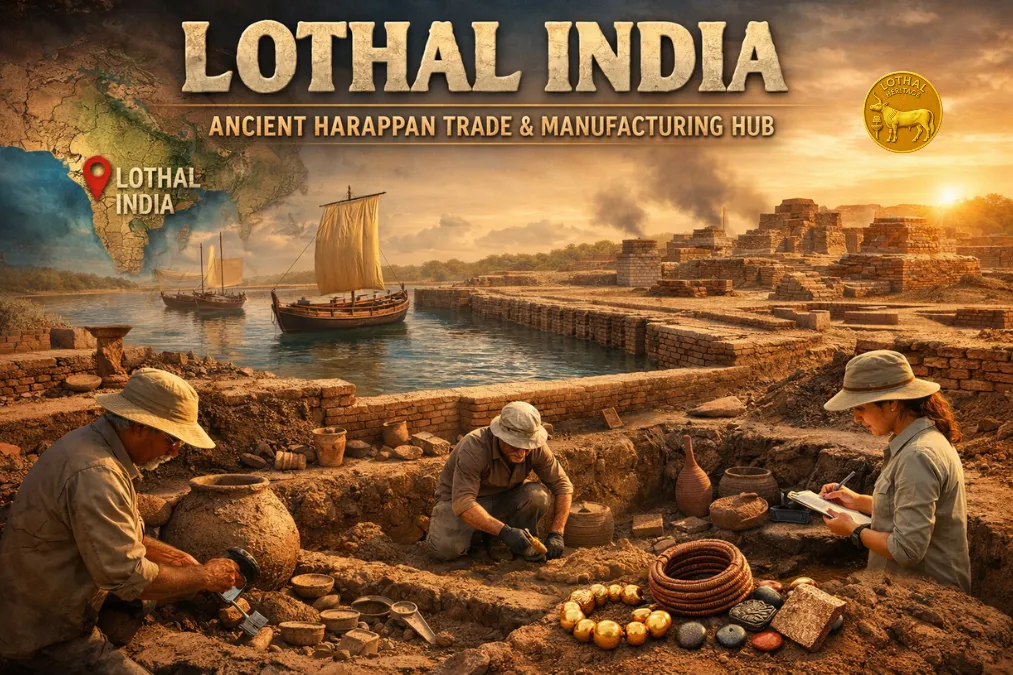
Lothal is renowned for its sophisticated dockyard, which is believed to be one of the world’s earliest known tidal docks. The site also features evidence of bead manufacturing workshops, warehouses, and trade infrastructure that point to Lothal’s role as a thriving maritime trade hub nearly 4,000 years ago.
Historical records and archaeological findings suggest that Lothal maintained active trade links with distant regions such as Mesopotamia and Egypt, underscoring the advanced maritime knowledge and shipbuilding skills of ancient India.
During his visit, the Chief of the Naval Staff reflected on the enduring relevance of Lothal’s maritime legacy. He noted that the spirit of innovation, exploration, and trade that defined ancient Lothal continues to inspire the Indian Navy’s strategic outlook in the modern era.
Read also: Six of 14 Museum Galleries at National Maritime Heritage Complex Lothal to Open by End of 2025
NATIONAL MARITIME HERITAGE COMPLEX: A Global Maritime Destination in the Making
The NATIONAL MARITIME HERITAGE COMPLEX at Lothal is envisioned as far more than a traditional museum. It is designed to be an immersive, interactive, and educational space that brings India’s maritime story to life through cutting-edge technology, curated exhibits, and experiential learning zones.
The complex will feature multiple galleries covering diverse themes, including ancient navigation techniques, shipbuilding traditions, maritime trade routes, naval warfare, coastal communities, and the evolution of the Indian Navy. A dedicated gallery focusing on the Indian Navy will chronicle its journey from pre-independence origins to its current status as a blue-water navy with global reach.
By integrating history, technology, and culture, the NATIONAL MARITIME HERITAGE COMPLEX aims to position India as a major voice in global maritime heritage discourse.
Read also: What happened to Lothal? Tracing the Rise and Decline of an Ancient Port City
Strategic Importance for India’s Maritime Future
Beyond its cultural and educational value, the NATIONAL MARITIME HERITAGE COMPLEX holds strategic importance for India. As a nation with a coastline stretching over 7,500 kilometres and a growing role in the Indo-Pacific region, India’s maritime consciousness is closely tied to its national security and economic aspirations.
Projects like NMHC contribute to building maritime awareness among citizens, fostering respect for the sea, and highlighting the importance of naval power in safeguarding trade routes and national interests. Admiral Tripathi’s visit reinforced the Indian Navy’s commitment to these broader national objectives.
Read also: What was Lothal famous for? Exploring the Legacy of an Ancient Harappan Port City
A Vision That Bridges Past, Present, and Future
In concluding his visit, the Chief of the Naval Staff reiterated that the NATIONAL MARITIME HERITAGE COMPLEX stands as a bridge between India’s ancient maritime achievements and its modern naval ambitions. By preserving artefacts, documenting history, and educating future generations, the NMHC is poised to become a cornerstone of India’s cultural and strategic landscape.
As construction progresses and Phase 1A approaches completion, the NMHC at Lothal is steadily transforming into a landmark destination that celebrates India’s timeless relationship with the seas. Admiral Dinesh K. Tripathi’s visit has not only highlighted the project’s current achievements but has also set a clear tone for its future—one rooted in heritage, driven by excellence, and guided by a vision of maritime leadership on the global stage.
The NATIONAL MARITIME HERITAGE COMPLEX at Lothal continues to move closer to realising its goal of becoming one of the world’s most comprehensive and inspiring maritime heritage institutions, carrying forward India’s seafaring legacy into the future.