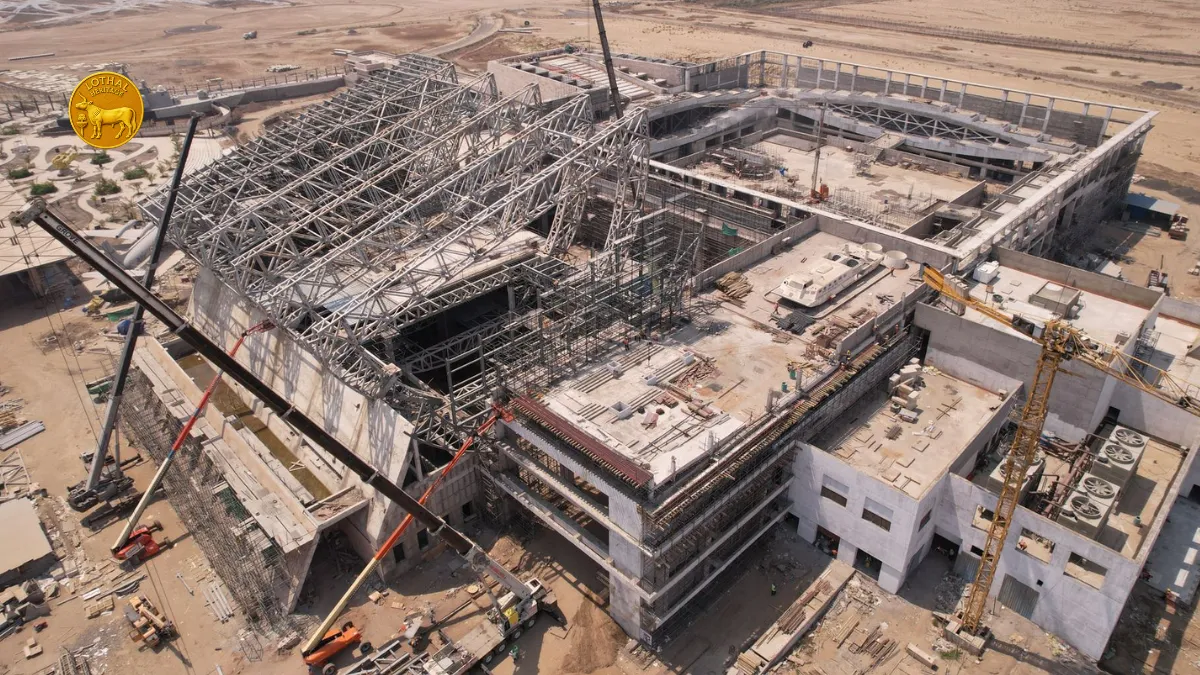
National Maritime Heritage Complex Lothal: India’s maritime past, which once connected the subcontinent to distant shores across the world, is set to come alive in an unprecedented way at Lothal in Gujarat. By the end of 2025, six out of the proposed 14 museum galleries at the ambitious National Maritime Heritage Complex Lothal are expected to open to the public, marking a major milestone in one of the most significant cultural and infrastructure projects undertaken in the country
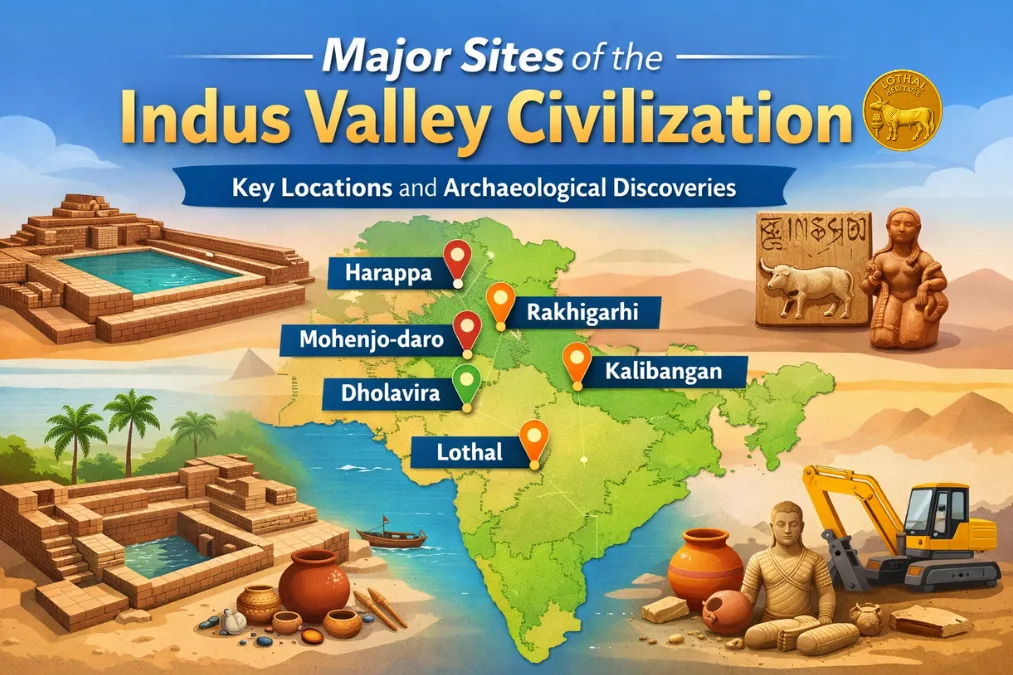
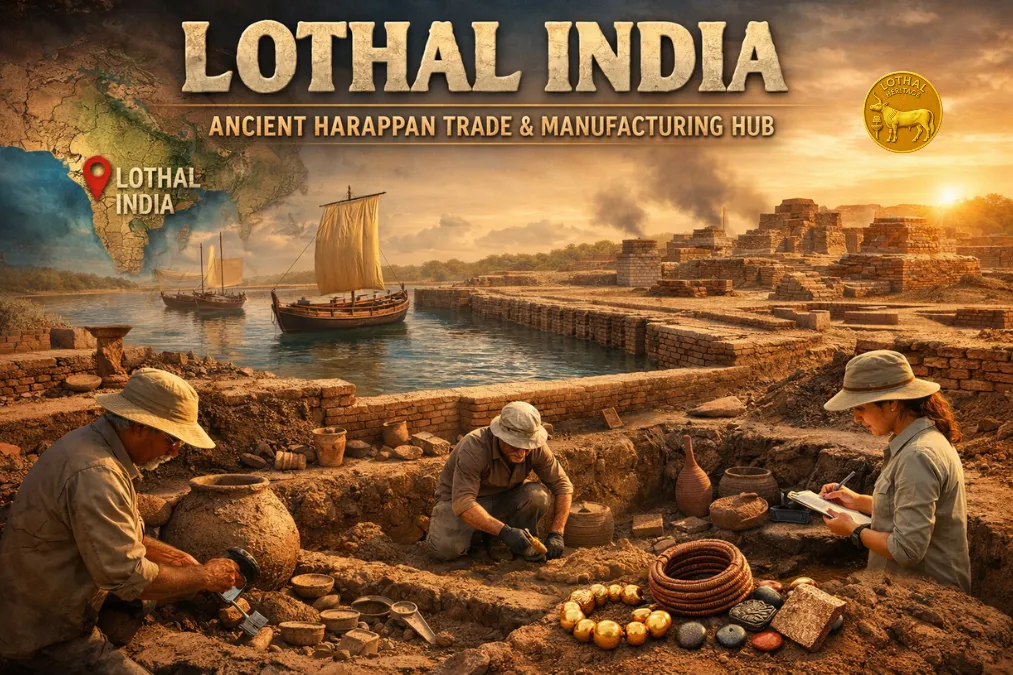
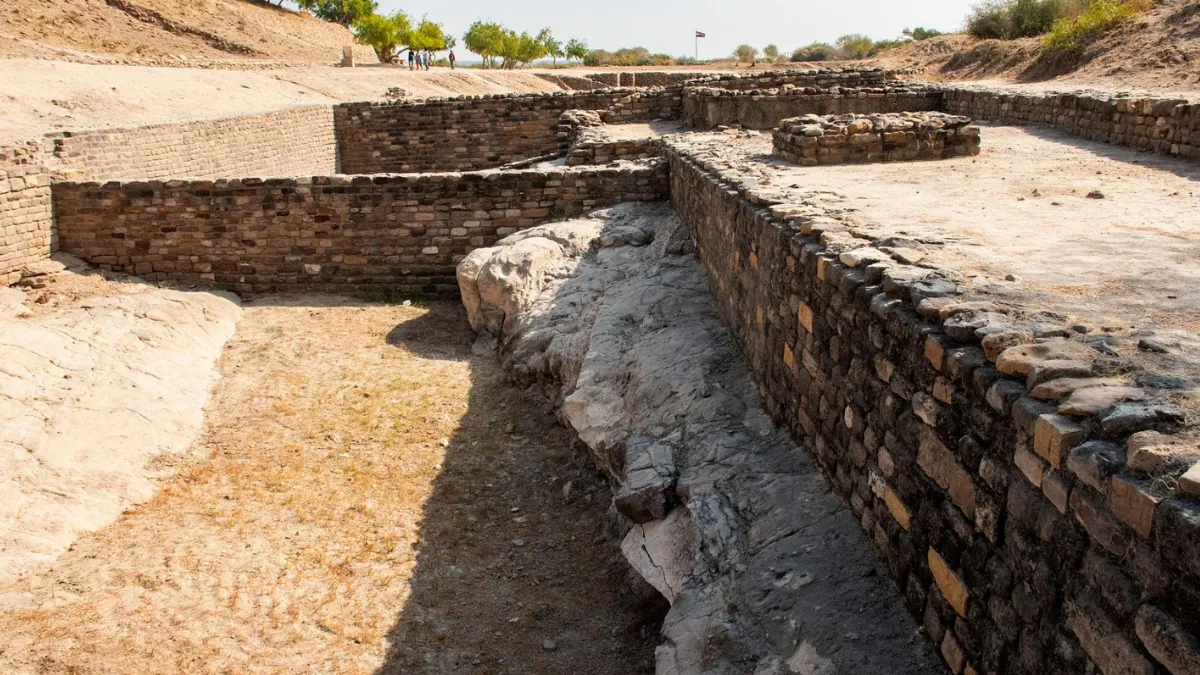
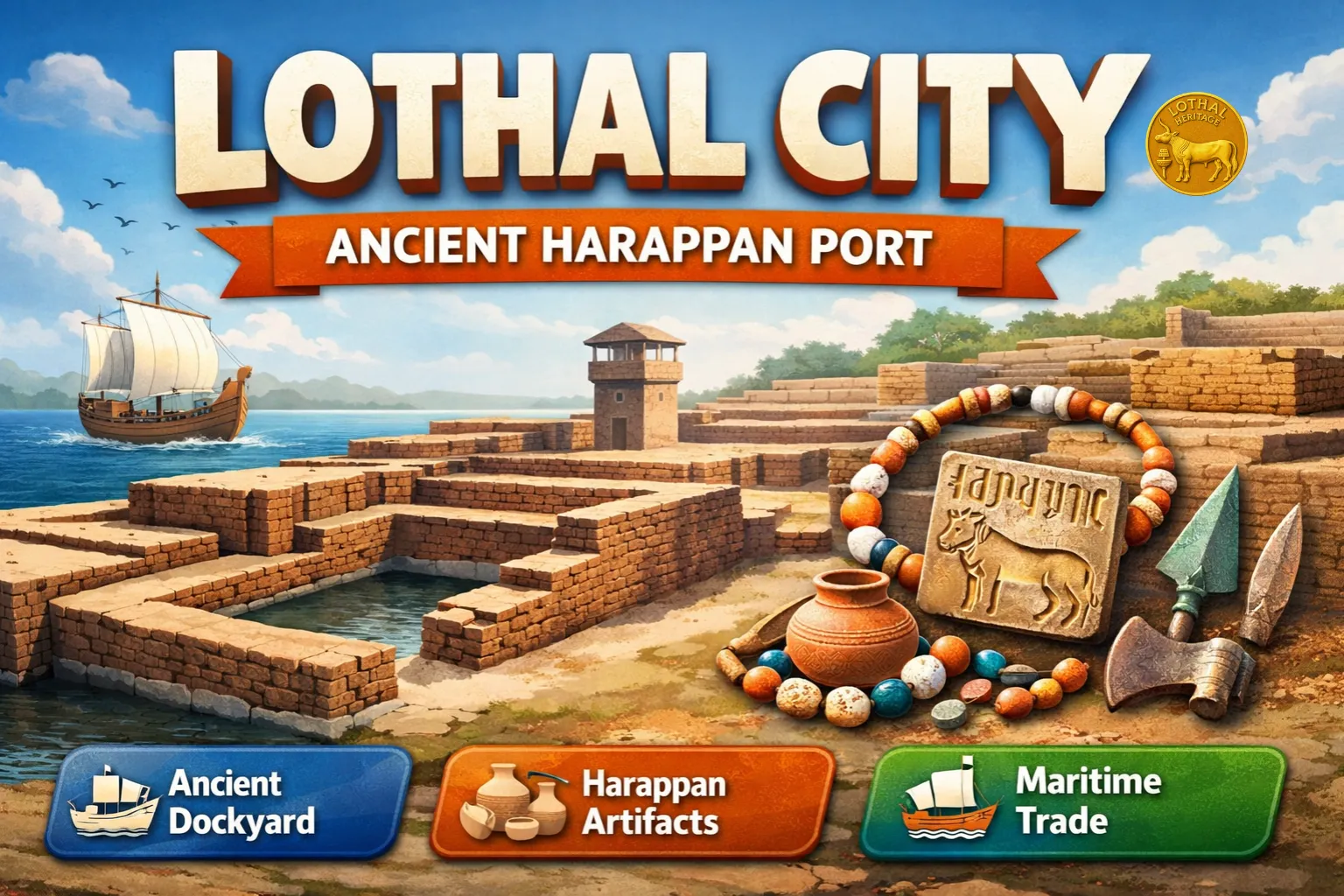
Located around 80 kilometres from Ahmedabad, Lothal is internationally renowned for its archaeological remains of the Indus Valley Civilization—one of the oldest urban civilizations in human history. Nearly 5,000 years ago, Lothal was not merely a port town; it was a sophisticated centre for shipbuilding, trade, and maritime innovation. Today, the same historic land is being transformed into a world-class cultural destination that aims to celebrate, preserve, and showcase India’s extraordinary maritime legacy from ancient times to the modern era.
Reviving an Ancient Maritime Power
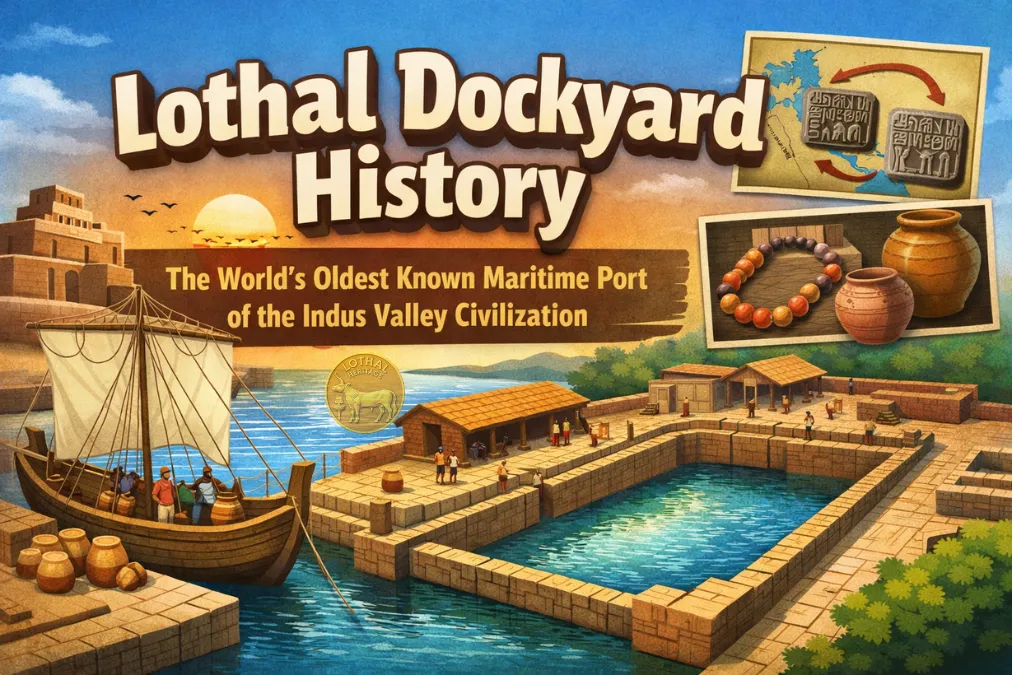
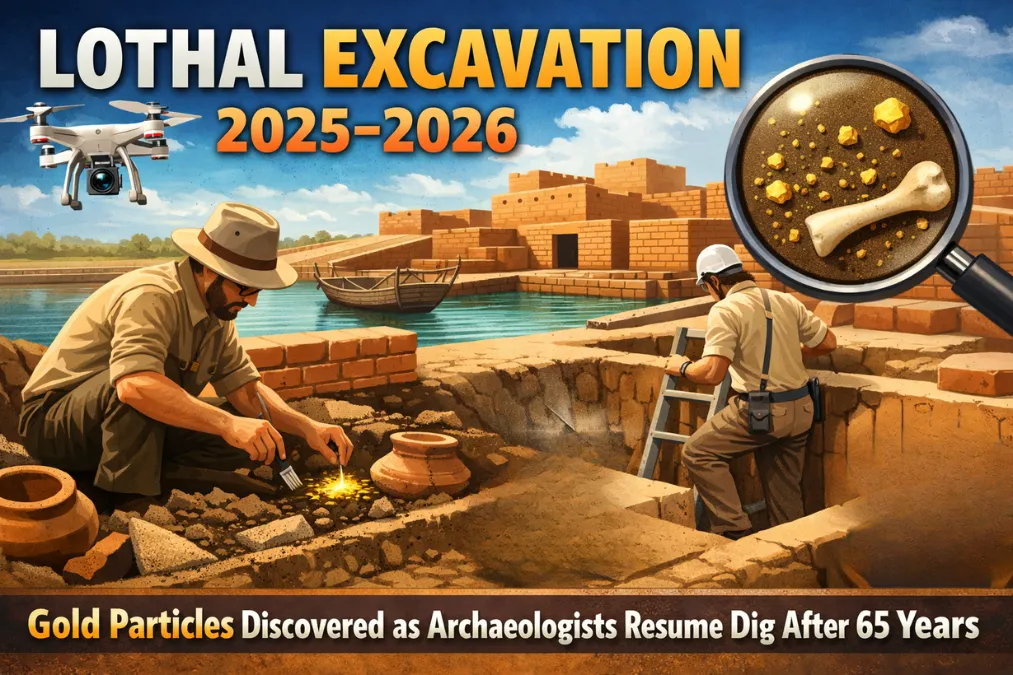
Archaeological excavations at Lothal revealed what is believed to be the world’s earliest known dockyard, along with evidence of advanced town planning, trade networks, and navigation skills. These discoveries reshaped global understanding of the Indus Valley Civilization, establishing that ancient India played a crucial role in early maritime trade with regions such as Mesopotamia, Persia, and beyond.
The National Maritime Heritage Complex Lothal seeks to build upon this legacy by recreating the story of India as a global maritime civilization. The project aims not only to protect and interpret historical knowledge but also to inspire future generations by demonstrating how India’s maritime strengths shaped its economic, cultural, and technological development.
A ₹4,500 Crore Vision on 375 Acres
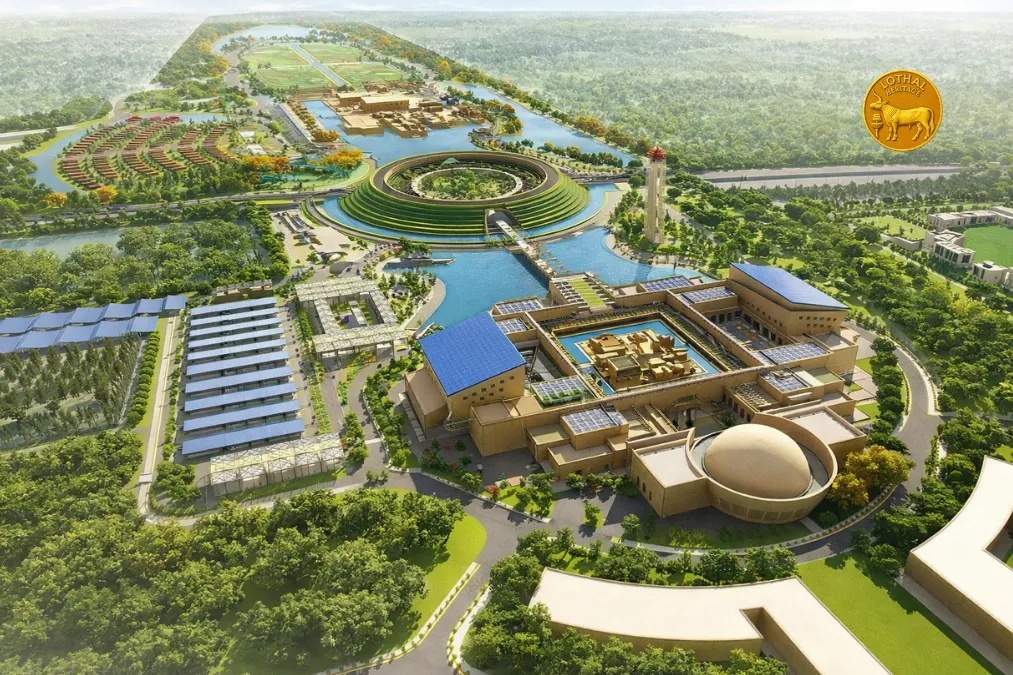
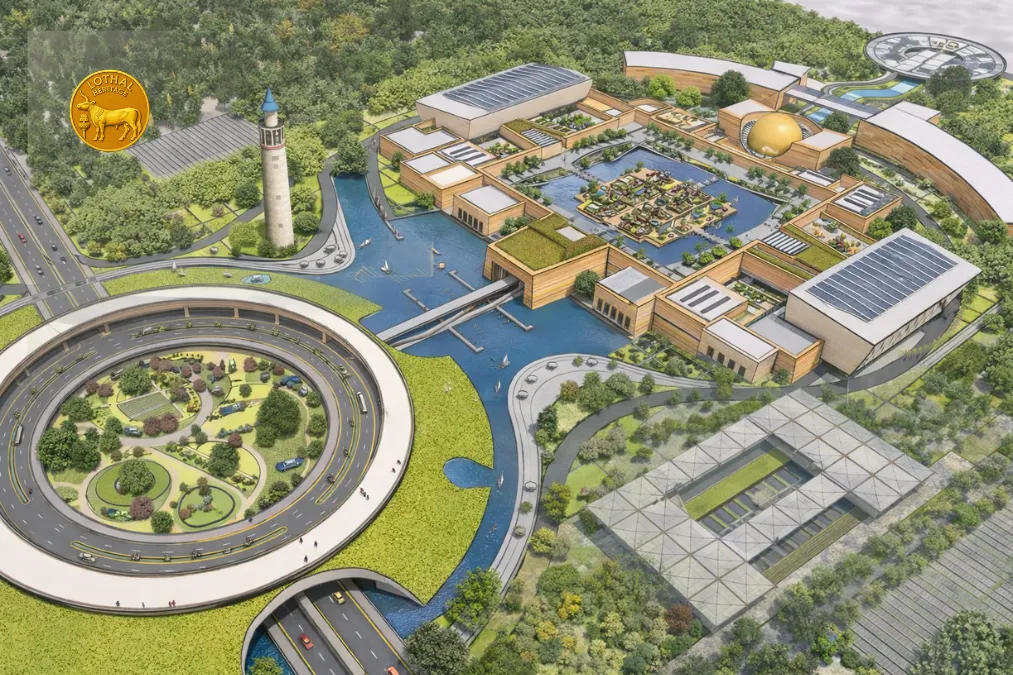
The National Maritime Heritage Complex is being developed at an estimated cost of ₹4,500 crore. The Gujarat state government has allocated around 375 acres of land for the project, while the total planned development spans approximately 400 acres. The scale of the complex positions it as the world’s largest maritime museum, both in terms of area and scope.
The project is being executed by the Ministry of Ports, Shipping, and Waterways, Government of India, with a vision to create a harmonious blend of history, education, research, tourism, and entertainment. Designed to meet international museum and heritage standards, the complex is expected to attract visitors, scholars, and maritime enthusiasts from across India and around the globe.
Six Galleries to Open by End of 2025
According to officials, the development of the National Maritime Heritage Complex has been planned in multiple phases to ensure systematic execution and long-term sustainability. As part of Phase 1-A, six museum galleries are scheduled to be completed and opened to the public by the end of 2025.
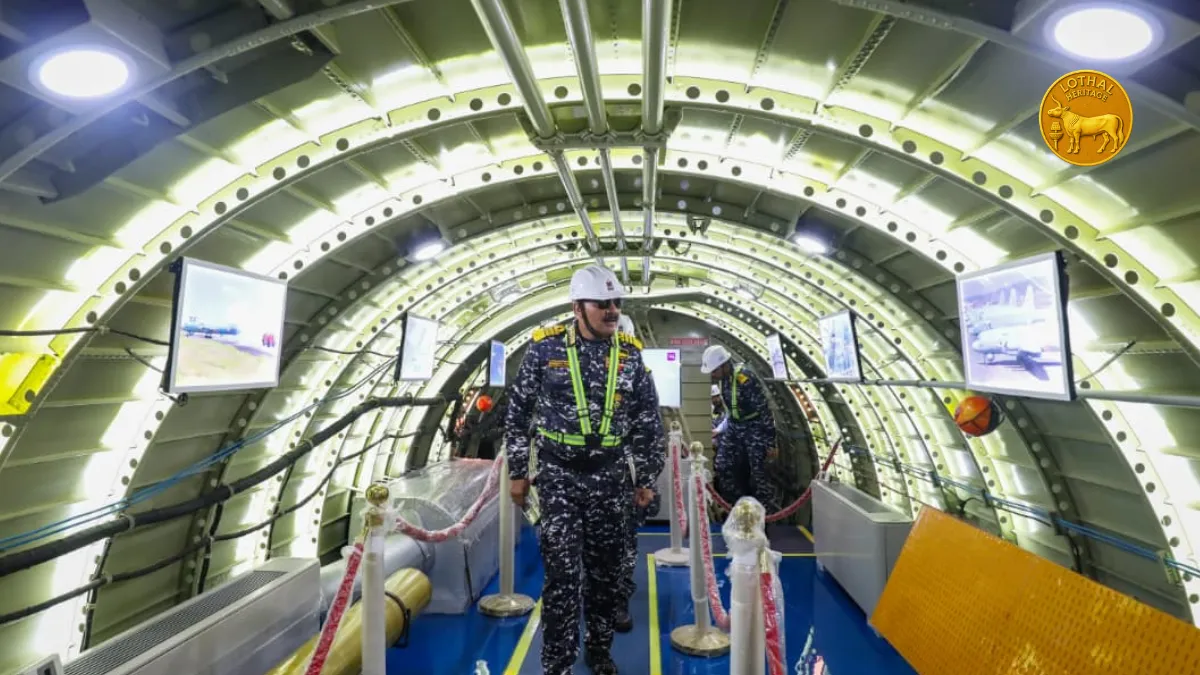
These initial galleries will offer immersive experiences that trace India’s maritime journey from the Harappan era to the present day. Through a mix of artefacts, digital installations, interactive exhibits, and detailed reconstructions, visitors will gain insights into ancient shipbuilding techniques, trade routes, naval warfare, coastal cultures, and the evolution of ports and navigation systems.
Under Phase 1-B, an additional eight galleries will be developed and opened in the subsequent phase, completing the planned total of 14 galleries within the complex. Once fully operational, the galleries will collectively present one of the most comprehensive narratives of maritime history anywhere in the world.
Lothal Mini Recreation and Theme Parks
One of the most anticipated attractions within the National Maritime Heritage Complex Lothal is the Lothal Mini Recreation. This section will recreate elements of Harappan architecture and daily life, allowing visitors to experience how people lived, worked, and traded in Lothal nearly five millennia ago. Carefully designed structures, streets, and activity zones will provide a vivid window into the past.
In addition to the museum galleries, the complex will feature four major theme parks, each designed to highlight a different aspect of maritime and environmental heritage:
- Memorial Theme Park, dedicated to honouring maritime heroes and milestones from India’s long naval history.
- Maritime and Navy Theme Park, showcasing the evolution of India’s naval strength, shipbuilding traditions, and maritime defence capabilities.
- Climate Theme Park, focusing on coastal ecology, climate change, sustainability, and the relationship between oceans and the environment.
- Adventure & Amusement Theme Park, designed to engage younger visitors and families through interactive, educational, and recreational experiences linked to the sea.
These theme parks aim to ensure that the complex appeals to a wide audience, from students and researchers to tourists and families.
Coastal States Pavilion: A Celebration of Diversity
Another key component of the National Maritime Heritage Complex is the proposed Coastal States Pavilion. This pavilion will highlight the rich and diverse maritime traditions of India’s coastal states and union territories, each of which has its own unique relationship with the sea.
From traditional boat-building techniques and fishing practices to regional trade histories, festivals, and folklore, the pavilion will serve as a platform for states and UTs to showcase their distinct maritime identities. This element reinforces the idea that India’s maritime heritage is not monolithic but a tapestry woven from many regional cultures and histories.
A Centre for Education, Research, and Innovation
Beyond tourism and exhibitions, the National Maritime Heritage Complex Lothal is envisioned as a centre for academic study and global collaboration. Plans include the establishment of a Maritime University, which will offer specialised maritime degrees and research opportunities.
The university is expected to encourage international student exchange programmes, bringing together scholars from different countries to study maritime history, archaeology, oceanography, naval architecture, and maritime law. By combining education with heritage, the complex aims to position India as a global hub for maritime scholarship and innovation.
Interactive digital displays, advanced conservation facilities, and international research collaborations will further strengthen the complex’s role as a knowledge centre. Scholars, historians, and maritime professionals from around the world will be able to access resources, participate in conferences, and contribute to ongoing research initiatives.
Economic Growth and Regional Development
The development of the National Maritime Heritage Complex is also expected to have a transformative impact on the Bhal region of Gujarat. Once completed, the project is projected to generate thousands of direct and indirect employment opportunities, ranging from construction and museum operations to hospitality, transport, and maintenance services.
Local cottage industries, artisans, and small businesses are likely to benefit from increased tourism and demand for traditional crafts, souvenirs, and services. Improved infrastructure, better connectivity, and increased global visibility are expected to stimulate long-term economic growth in the surrounding areas.
By integrating heritage conservation with economic development, the project aligns cultural preservation with sustainable livelihoods for local communities.
Union Minister’s Vision and Statement
On the occasion of National Maritime Day, Union Minister for Ports, Shipping, and Waterways, Sarbananda Sonowal, highlighted the broader significance of the project. He described India’s maritime heritage as a legacy shaped by resilience, innovation, and global connectivity.
According to the minister, the National Maritime Heritage Complex not only honours India’s rich maritime past but also serves as a guiding light for future generations. He emphasised that the complex reflects the government’s commitment to strengthening maritime infrastructure, promoting sustainability, and enhancing international partnerships.
As the country moves closer to National Maritime Day 2025, the minister reiterated that the Ministry of Ports, Shipping, and Waterways remains focused on building a strong maritime future while preserving cultural roots. The project, he said, embodies the vision of “Vikas Bhi, Virasat Bhi,” balancing development with heritage.
He further noted that the complex would function as a global hub for scholars, historians, and visitors, offering unique insights into India’s maritime traditions and technological advancements. With state-of-the-art museums, heritage conservation initiatives, interactive technologies, and platforms for international collaboration, the complex represents India’s forward-looking approach to cultural preservation.
Landmark Infrastructure and Visitor Facilities
The National Maritime Heritage Complex Lothal will also feature several landmark infrastructure elements designed to enhance visitor experience and sustainability. Among the most striking features is the world’s tallest lighthouse museum, standing at 77 metres. An open gallery at a height of 65 metres will offer visitors panoramic, open-air views of the entire complex and surrounding landscape.
Other notable facilities include a floating restaurant, a tent city, and a resort with approximately 100 rooms, catering to both domestic and international tourists. To promote green mobility, an electric car system will be introduced within the complex, along with parking facilities for around 500 electric vehicles.
Supporting infrastructure has also been put in place, including a 66 kV substation that is already operational, ensuring reliable power supply for the expansive site.
A Global Cultural Destination in the Making
Once fully completed, the National Maritime Heritage Complex Lothal is expected to stand among the most significant cultural and heritage destinations in the world. By combining archaeology, history, technology, education, and tourism, the complex aims to redefine how maritime heritage is preserved and presented.
For India, the project is more than a museum-it is a statement of identity, reaffirming the nation’s historical role as a maritime power and its continued relevance in the global maritime landscape. As six galleries prepare to open by the end of 2025, the journey towards bringing India’s ancient maritime story to life has already begun, promising a future where heritage and progress sail together.