The script of Harappan civilization stands as one of the most intriguing unresolved puzzles in the study of ancient cultures, capturing the attention of archaeologists, linguists, and historians for more than a century. Found etched on seals, pottery shards, copper tools, tablets, and countless other artifacts of the Indus Valley Civilization, this undeciphered writing system has sparked intense global curiosity. Its symbols, meticulously crafted and visually striking, offer glimpses into the lives of a people who created one of the world’s earliest and most sophisticated urban cultures.
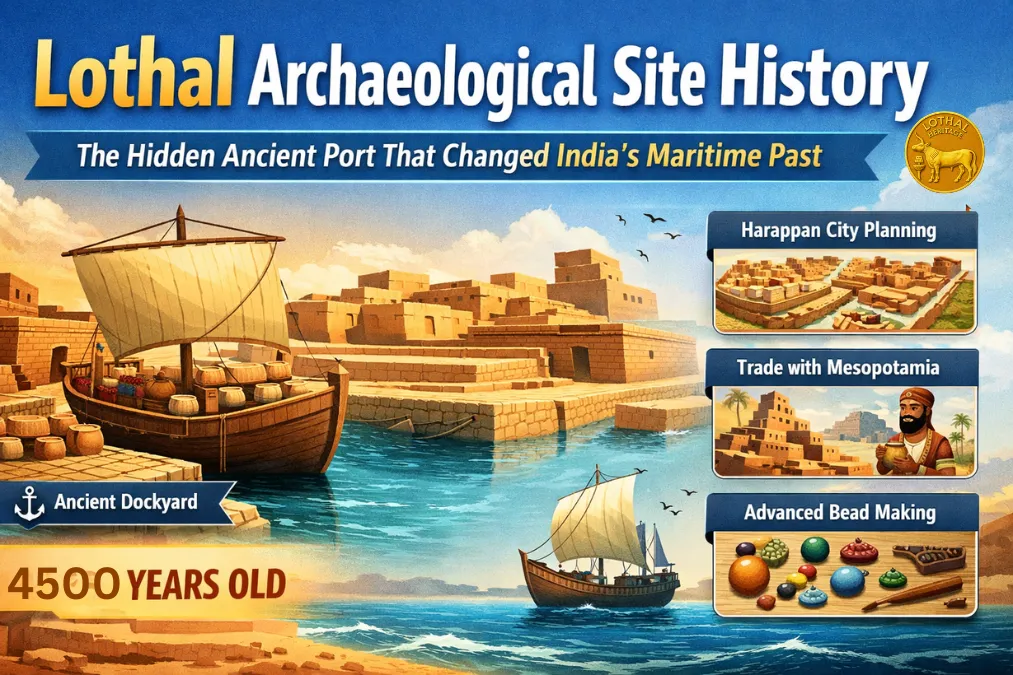
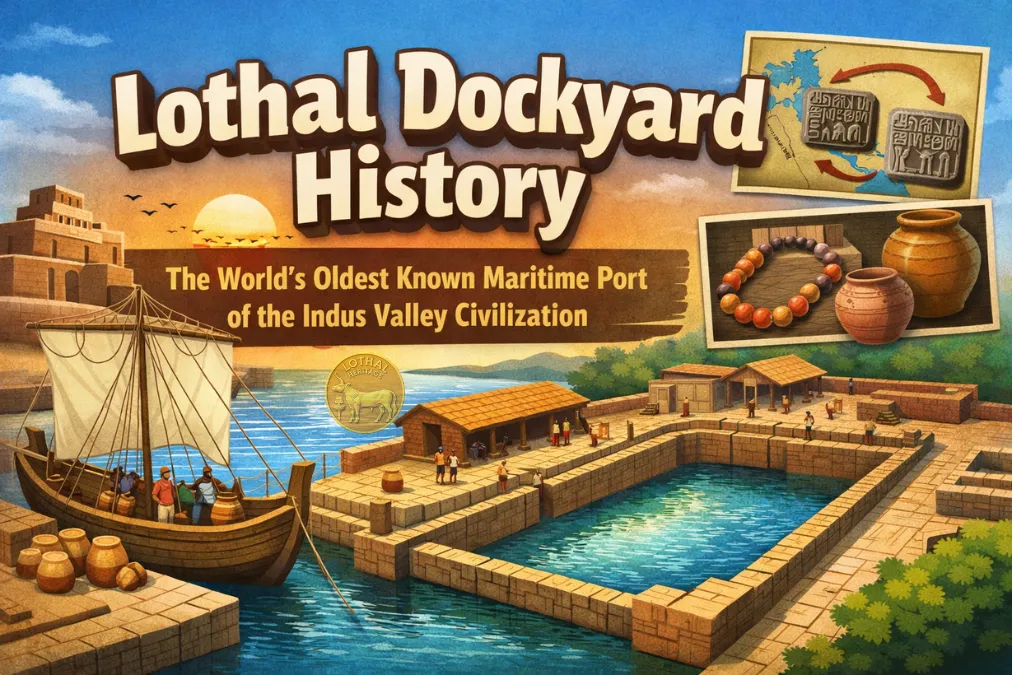
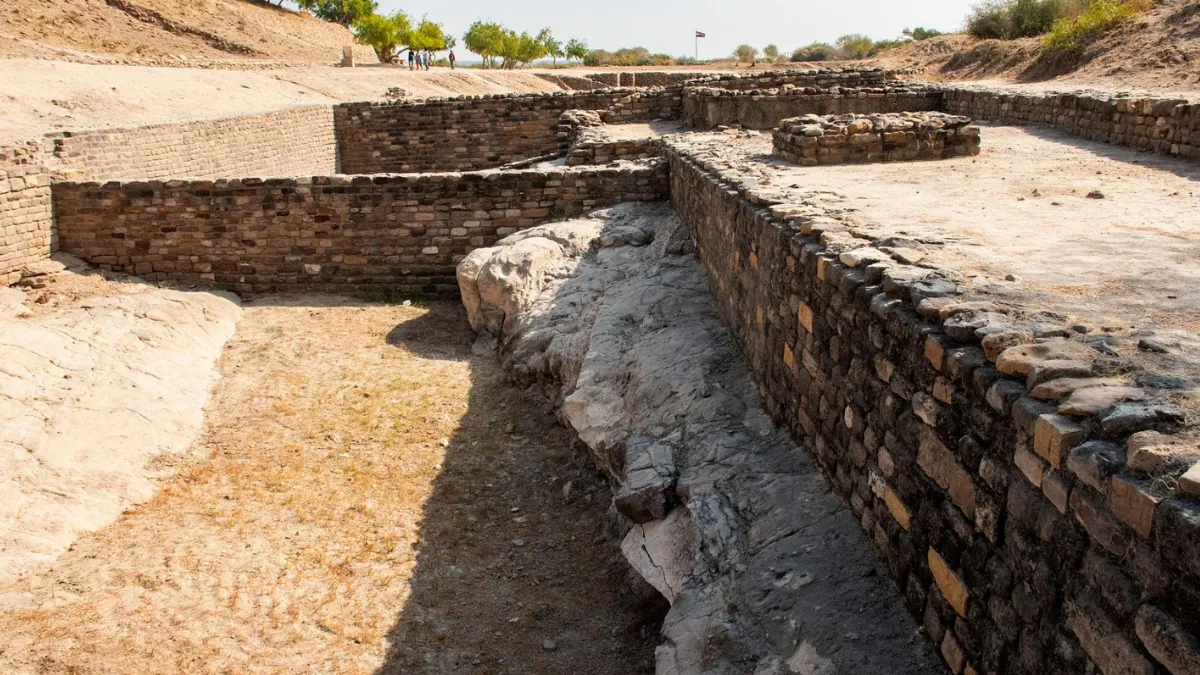
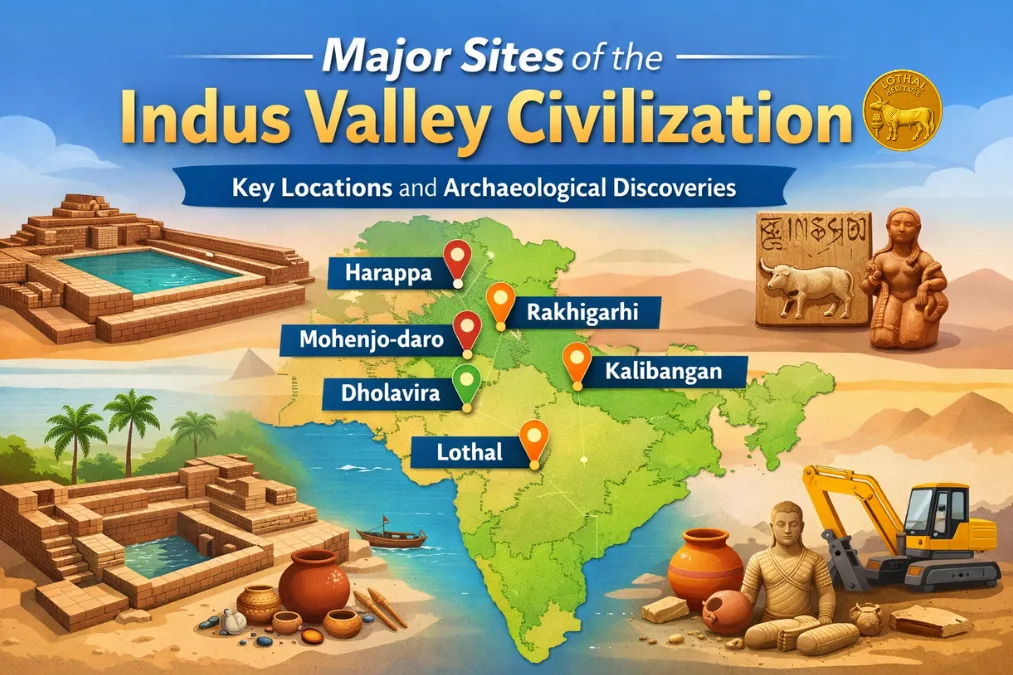
The script of Harappan civilization has been discovered across major Indus Valley sites such as Harappa, Mohenjo-daro, Lothal, Dholavira, Kalibangan, and more. Each new excavation deepens the mystery rather than solving it, primarily because the script has not yet been translated into any known language. Despite decades of research, scholars still debate the origin, linguistic family, and underlying purpose of this writing system. As the quest for understanding continues, the script remains a silent witness to an advanced civilization that thrived nearly 4,500 years ago.
Origins and Context of the Harappan Script
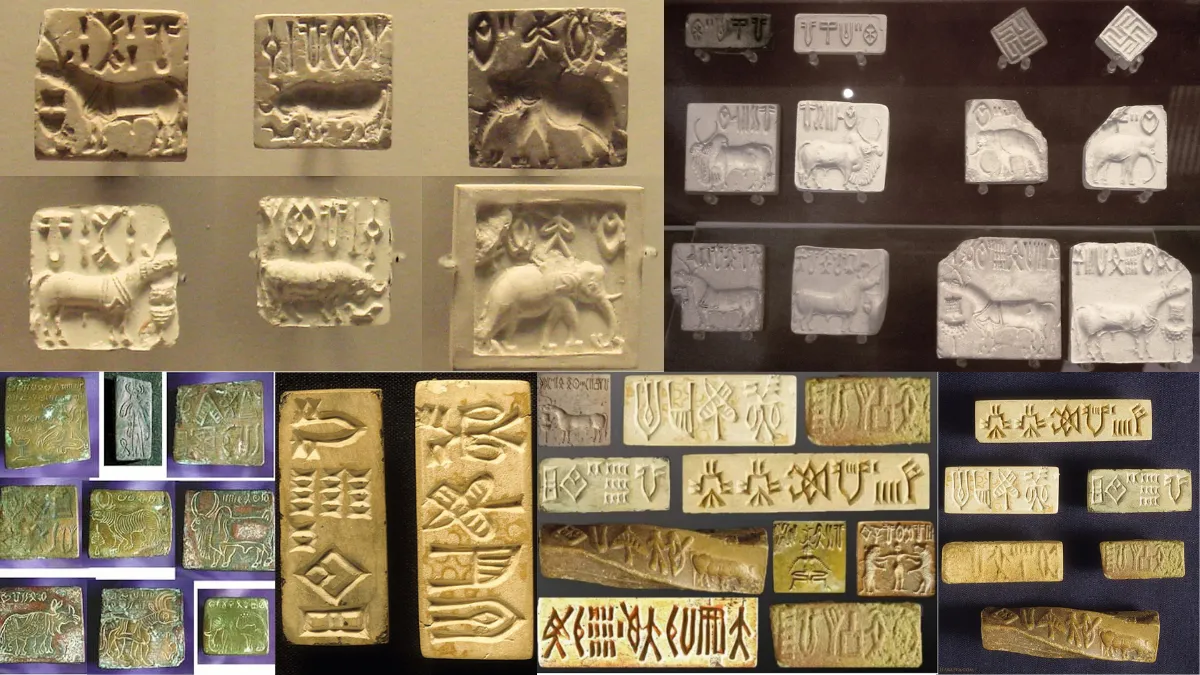
The writing tradition of the Indus Valley Civilization evolved around 2600 BCE, during the Mature Harappan Phase. This period marked the peak of urban planning, trade networks, metallurgy, standardized weights, and artistic expression. The script of Harappan civilization appears prominently on seals made of steatite-a soft stone that artisans carved with remarkable precision. These seals often depict animals like bulls, elephants, rhinoceroses, and mythical composite creatures, accompanied by lines of script.
This writing system appears exclusively in short sequences, the longest known inscription containing around 26 signs. Most inscriptions, however, consist of just four to six symbols, which poses a major challenge in decipherment. Without long texts, bilingual inscriptions, or continued evolution into later writing systems, the decoding of the script remains incomplete.
Even so, the presence of the script in trade centers, warehouses, and administrative buildings strongly suggests that it was used for identification, record keeping, commercial transactions, or ritual purposes. Its widespread distribution across the region indicates that the Harappans valued written communication as part of their organized social structure.
Key Characteristics of the Script
One of the most remarkable aspects of the script of Harappan civilization is its aesthetic and symbolic precision. Researchers have identified nearly 400 unique signs, many of which show variations or combinations. This places the script somewhere between a logographic system (where signs represent words) and a syllabic one (where signs represent sounds). Another hypothesis suggests that the script may follow a logosyllabic pattern similar to ancient Sumerian or Egyptian writing.
Visual Features
The signs include human and animal motifs, geometric shapes, plant forms, and abstract symbols. Some resemble everyday objects such as combs, jars, fish, arrows, and wheels. This diversity hints at a complex meaning system, potentially linked to the social, economic, and spiritual aspects of the civilization.
Direction of Writing
Most scholars believe the script was written from right to left. This conclusion is drawn from studying the direction in which signs appear to be inscribed on seals, especially those that would leave impressions on clay. The right-to-left alignment closely mirrors some later languages of South Asia and West Asia.
Mediums of Use
The script of Harappan civilization is mainly found on:
- Steatite seals
- Terracotta tablets
- Copper plates
- Pottery graffiti
- Bone and ivory tools
- Large architectural markers (rarely)
This suggests that the writing system had practical, economic, and possibly ritualistic applications.
Table: Key Facts About the Script of Harappan Civilization
| Feature | Details |
|---|---|
| Estimated Time Period | 2600–1900 BCE (Mature Harappan Phase) |
| Number of Identified Signs | Approximately 400–450 |
| Average Length of Inscriptions | 4–6 signs |
| Longest Known Inscription | Around 26 signs |
| Writing Direction | Predominantly right to left |
| Mediums Found On | Seals, pottery, tablets, copper tools, terracotta |
| Deciphered Status | Undeciphered |
| Possible Language Families | Dravidian, Indo-Aryan, Proto-Elamite, Munda (debated) |
Major Theories About the Script’s Linguistic Origins
Over the decades, scholars have proposed various theories about the linguistic nature of the script. Although none have been universally accepted, these theories shed light on the possible cultural roots of Harappan writing.
Dravidian Hypothesis
This remains one of the most widely supported theories. Some linguists believe that the script of Harappan civilization may be connected to Proto-Dravidian languages. Modern Dravidian languages-such as Tamil, Kannada, Telugu, and Malayalam-are spoken mainly in southern India but may have originated in the northwest before spreading southward.
Researchers point to similarities between certain signs and words in early Dravidian lexicons. They also suggest that Dravidian traders likely played a significant role in the economic network of the region.
Indo-Aryan Hypothesis
Another theory links the Harappan script to early forms of Indo-Aryan languages. This is less widely accepted, as Indo-Aryan is believed to have entered the Indian subcontinent after the decline of the Indus Valley Civilization. However, some scholars argue that proto-Indo-Aryan groups may have coexisted with Harappans and influenced linguistic exchanges.
Munda and Austroasiatic Connections
Some researchers believe the script might be connected to early Austroasiatic languages, particularly Munda, spoken by tribal communities in eastern India. They note certain structural similarities and cultural exchanges that may trace back to ancient times.
Completely Unique Writing System
A growing consensus suggests that the script may represent an entirely independent language group unrelated to current linguistic families. If true, decipherment may require completely new analytical frameworks.
Challenges in Deciphering the Script
Despite extensive research, the script of Harappan civilization remains undeciphered due to several major challenges:
Lack of Bilingual Texts
Most successful decipherments in history-such as the Rosetta Stone for Egyptian hieroglyphs-relied on bilingual inscriptions. No such parallel text has ever been found for the Harappan script.
Short Length of Inscriptions
The brevity of the inscriptions makes it difficult to analyze sentence patterns, grammar, and linguistic flow.
Unknown Linguistic Base
Without clarity on what language the script represents, decoding becomes highly speculative.
Limited Corpus
Although thousands of seals have been found, the total number of inscriptions is still relatively small compared to fully deciphered ancient languages.
Possible Non-Linguistic Nature
Some scholars argue that the script may not represent language at all. Instead, it may consist of symbols used for trade, religious identity, or clan representation. This remains a minority view but cannot be fully dismissed.
The Script in Daily Harappan Life
Even though the writing system is undeciphered, its recurring patterns indicate that it played an essential role in Harappan life. Seals with inscriptions were likely used to:
- Mark ownership of goods
- Authenticate trade shipments
- Represent official administrative authority
- Identify merchants or families
- Serve ritual or symbolic purposes
The script’s integration into urban and economic systems reflects a high degree of societal organization. This aligns with the broader achievements of the Indus Valley Civilization, including advanced drainage systems, standardized weights, skilled craftsmanship, and vast trade networks extending from Mesopotamia to Central Asia.
Technological and Artistic Sophistication
The craftsmanship visible on the seals and tablets indicates that the Harappans possessed advanced tools and artistic finesse. The sharpness of the script symbols, carved onto tiny surfaces, reveals a mastery of fine-scale engraving. In many cases, the signs are so neatly composed that even modern magnification tools reveal minimal flaws.
This level of precision suggests a standardized instruction system for artisans, raising questions about how Harappans preserved and transmitted craftsmanship skills without long written texts.
Also read: Who Discovered Harappan Civilization: Tracing the Journey Behind a Lost World
Modern Efforts to Decode the Script
Contemporary researchers are using cutting-edge technologies to decode the script of Harappan civilization:
Machine Learning and AI Models
Computational linguists have developed models to study sign patterns, symbol frequencies, and grammatical structures. Early results show that the script exhibits characteristics of natural language, strengthening the argument that it represents spoken communication.
Symbolic Pattern Recognition
Digital imaging allows researchers to classify symbols more precisely and trace variants across different sites.
Archaeological Excavations
New discoveries in Haryana, Gujarat, and Pakistan continue to add more artifacts bearing inscriptions, offering fresh data for analysis.
Interdisciplinary Research
Teams combining linguistics, archaeology, anthropology, and computer science have begun offering new insights, although a breakthrough is still awaited.
Also read: Urban Planning of Harappan Civilization: A Detailed Exploration of an Ancient Urban Marvel
The Ongoing Mystery
The script of Harappan civilization remains one of history’s most captivating riddles. Its silence challenges the modern world, urging researchers to reexamine assumptions about early writing systems and the cultural evolution of language. While the text remains unreadable, the symbols continue to communicate the creativity, precision, and intellectual depth of a society far ahead of its time.
As excavations expand and new technologies emerge, the hope of deciphering the script remains alive. The day it is finally decoded will not only unlock a lost language but will transform our understanding of one of the world’s earliest urban civilizations. Until then, the inscriptions stand as timeless emblems of a remarkable culture whose voice is waiting to be heard.