The urban planning of Harappan Civilization stands as one of the most remarkable achievements of the ancient world, showcasing a level of precision, organization, and civic understanding that continues to fascinate historians, archaeologists, and urban planners today. From sophisticated drainage systems to meticulously laid-out streets, the settlements of this Bronze Age civilization reveal an advanced grasp of city design that was unparalleled for its time.
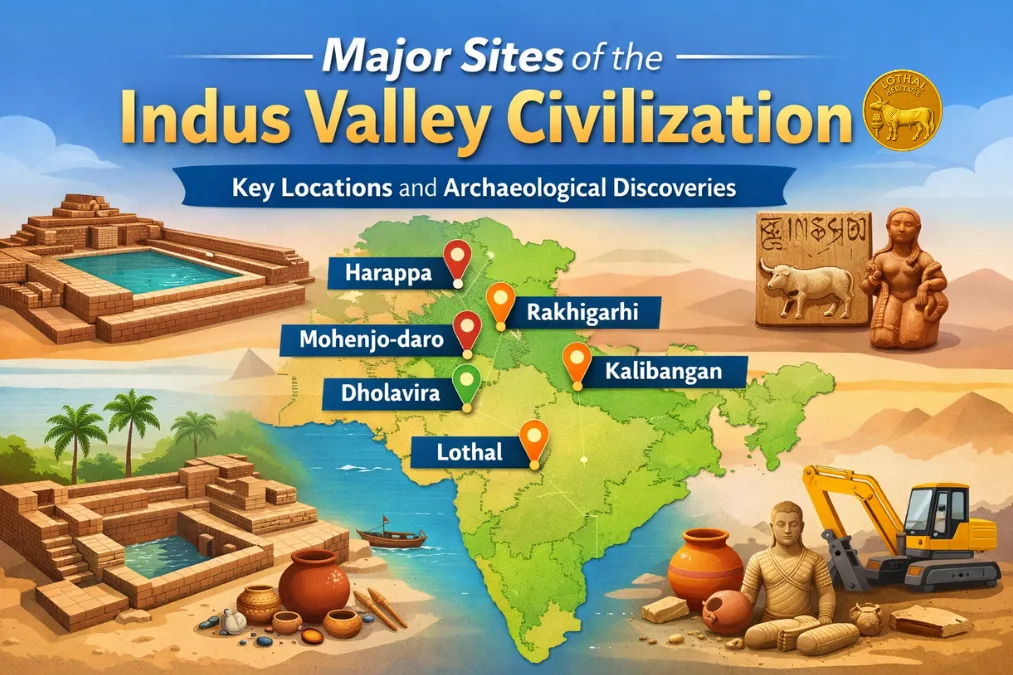
The Harappan Civilization, also known as the Indus Valley Civilization, thrived roughly between 2600 BCE and 1900 BCE across present-day India and Pakistan. Its cities-such as Harappa, Mohenjo-daro, Dholavira, and Lothal-reflect a consistent architectural logic, community-oriented infrastructure, and remarkable standardization. Studying the urban planning of Harappan Civilization offers valuable insights into how early societies balanced environmental needs, economic activities, public health, and social organization.
The Characteristic Layout of Harappan Cities
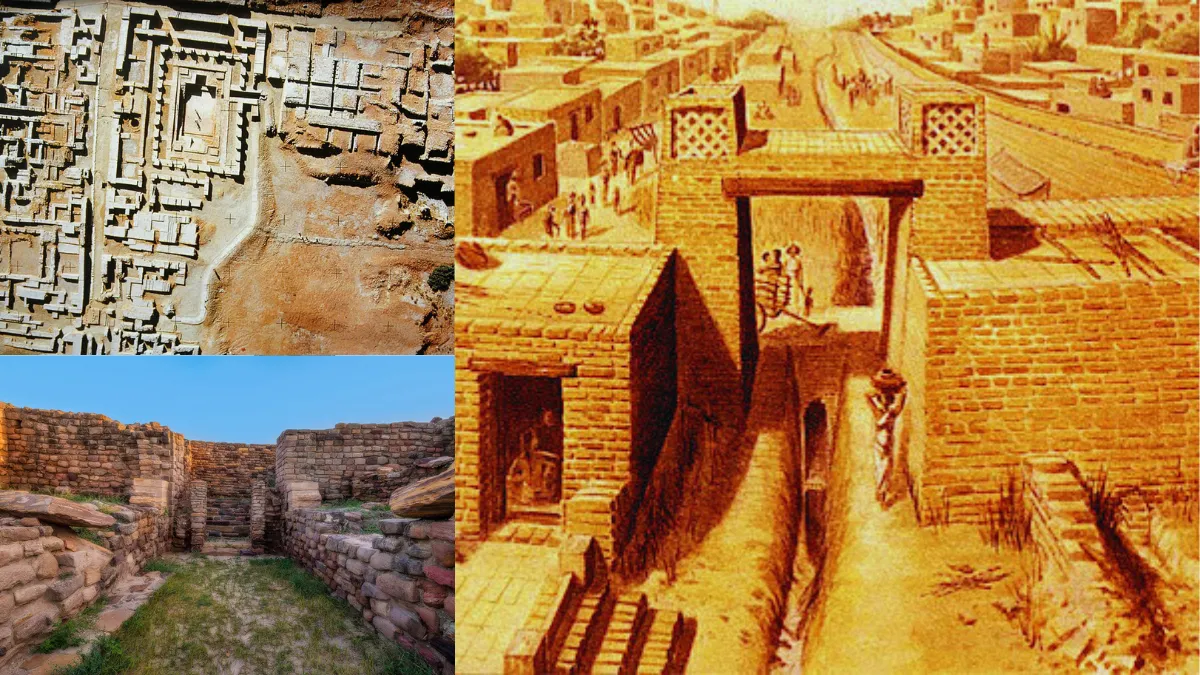
The Harappan cities were carefully designed with an emphasis on order, functionality, and foresight. Most sites followed a grid-pattern layout, with streets intersecting at right angles and dividing the city into organized blocks. This level of urban control was not found in most contemporary civilizations, highlighting the exceptional capability of Harappan architects.
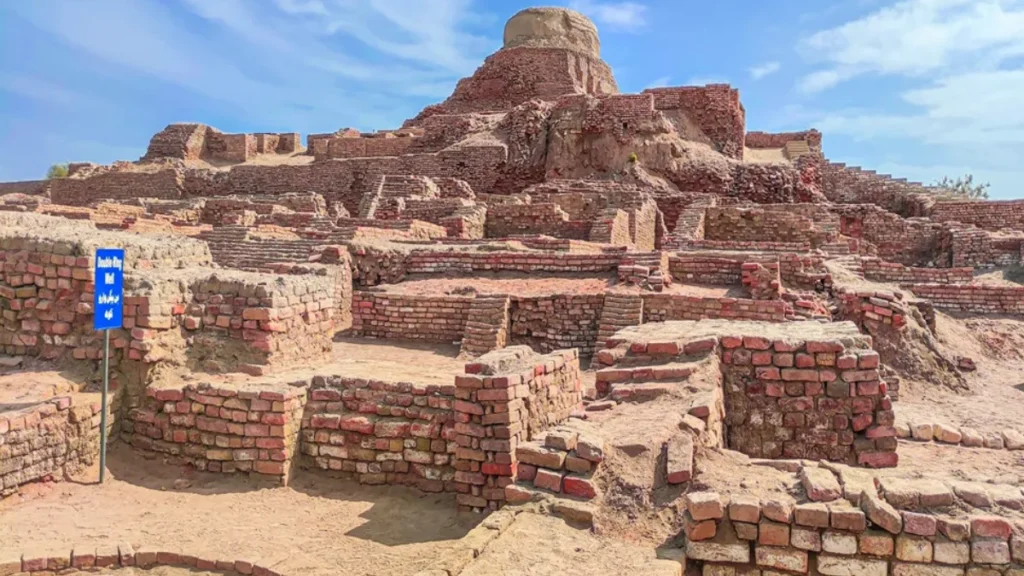
The settlement pattern typically included two major divisions: the Citadel and the Lower Town. The Citadel, a raised area, housed important administrative buildings, granaries, and religious or ritual structures, while the Lower Town accommodated residential neighborhoods. This hierarchy reflected not social inequality but the functional zoning of city spaces.
The urban planning of Harappan Civilization also demonstrates advanced understanding of environmental challenges. Many cities were strategically built along rivers or ancient trade routes, showing attention to economic and geographic advantages. The consistent uniformity across cities suggests centralized governance or shared cultural principles guiding urban construction.
Water Management and Drainage Innovations
Perhaps the most extraordinary aspect of the urban planning of Harappan Civilization was its emphasis on water management. Each house, regardless of size, was connected to an efficient drainage system. Drains were covered with stone slabs or baked bricks, and inspection holes were built at intervals for cleaning.
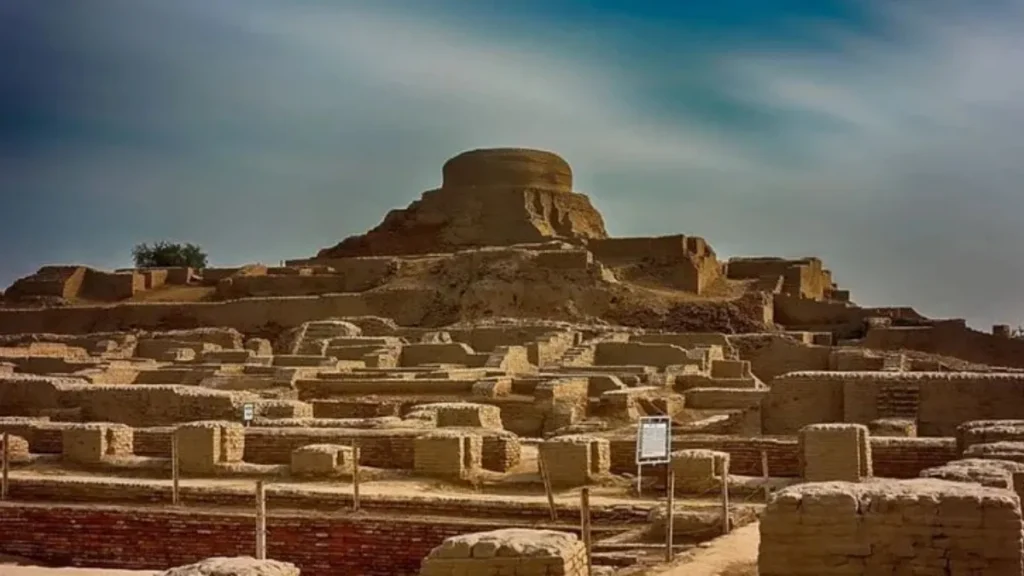
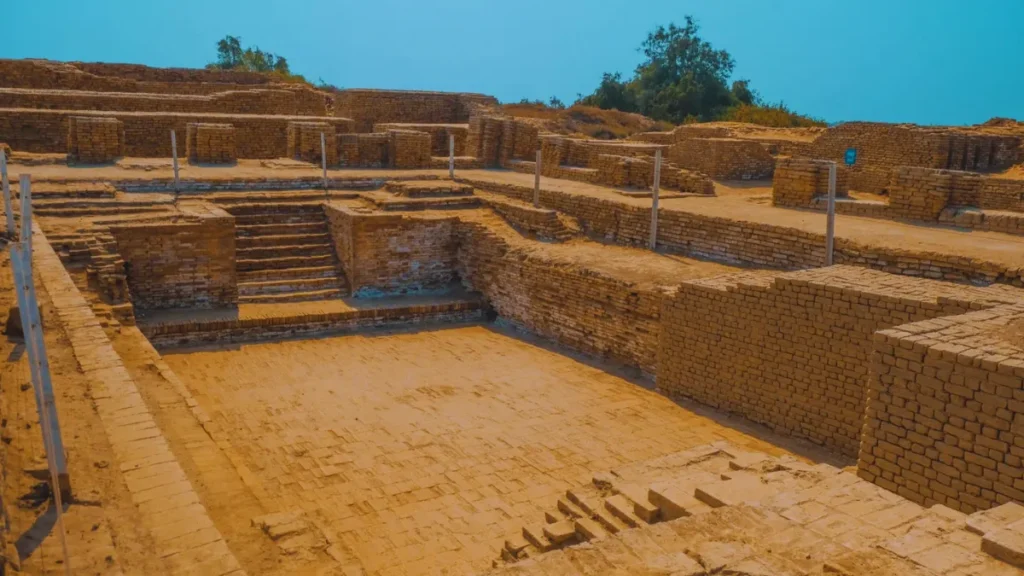
This system highlights the value the Harappans placed on public hygiene and community wellbeing. No other civilization of that era-whether in Mesopotamia or Egypt-managed wastewater with similar sophistication. Cities like Mohenjo-daro had large public baths, wells, reservoirs, and water channels built with remarkable precision.
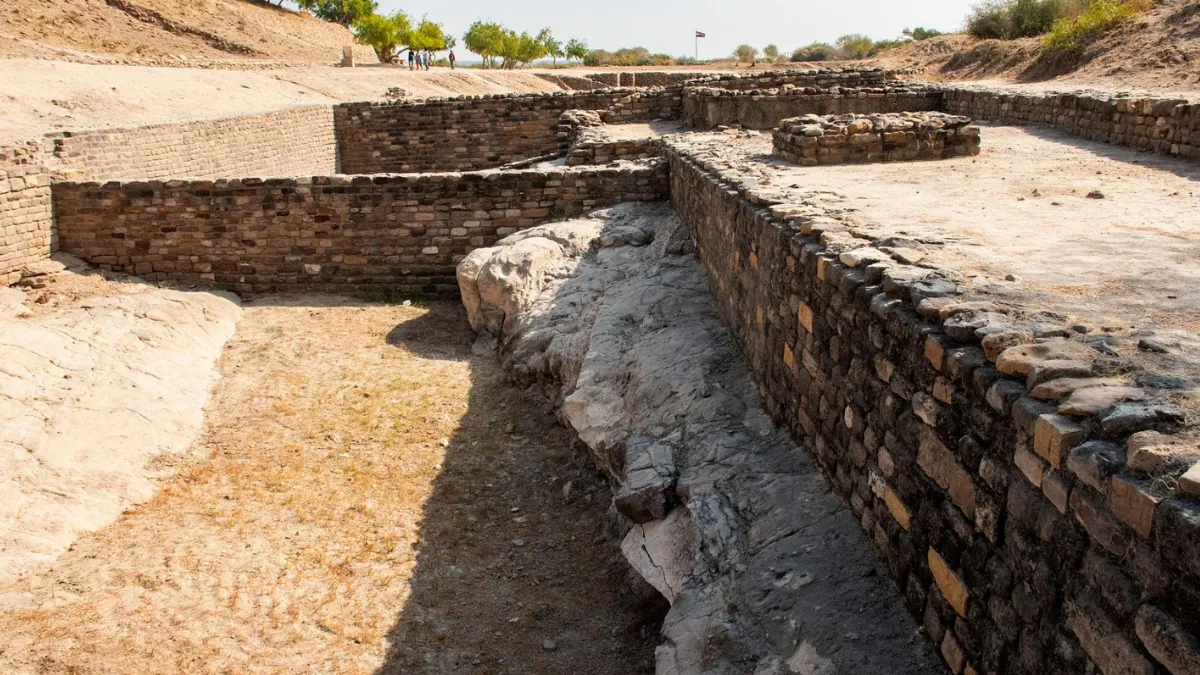
Dholavira, located in a semi-arid region, is another example of ingenious Harappan engineering. The city utilized an intricate system of water reservoirs, dams, and channels to store rainwater, showcasing an early example of sustainable resource management.
Standardization and Building Materials
One of the hallmarks of the urban planning of Harappan Civilization was the widespread use of standardized baked bricks. These bricks commonly followed a 1:2:4 ratio, which ensured uniformity across construction sites. Such consistency hints at centralized craftsmanship and strict quality control.
Residential buildings were typically multi-room structures equipped with courtyards, wells, bathrooms, and storage areas. Many houses opened onto side lanes instead of main streets, offering privacy and reducing congestion. The standardized layout also made it easier to maintain drainage lines, align streets, and construct public buildings.
Granaries, warehouses, and workshops were similarly developed with careful planning. Archaeological findings indicate areas designated for bead-making, metalwork, and pottery. This intentional zoning reveals how the Harappans integrated urban layout with economic activities.
A Table Summarizing Key Features
| Feature | Description |
|---|---|
| Street Layout | Grid pattern with streets intersecting at right angles |
| Drainage System | Covered drains connected to individual houses |
| Zoning | Citadel for public buildings; Lower Town for residences |
| Building Materials | Standardized baked bricks used across the civilization |
| Water Management | Wells, reservoirs, baths, and planned channels |
| Public Structures | Granaries, workshops, baths, and administrative buildings |
| Housing Design | Multi-room houses with courtyards and private wells |
| City Examples | Mohenjo-daro, Harappa, Dholavira, Lothal |
Streets and Transportation Design
The streets of Harappan cities were designed with impressive foresight. Main avenues were wide enough for carts, while smaller lanes branched off into residential areas. The straight, uniform alignment of roads prevented overcrowding and improved ventilation and sunlight access.
The urban planning of Harappan Civilization also accounted for stormwater flow. Streets were slightly sloped, ensuring that rainwater moved efficiently into drainage channels. Combined with high-quality brick paving, this minimized waterlogging and protected structures from erosion.
Furthermore, the consistent layout across various cities suggests that Harappan builders followed pre-established templates. This uniformity implies a shared cultural ideology and advanced administrative oversight.
Public Spaces and Urban Governance
The presence of large public structures points to strong civic management and centralized authority. Granaries, elevated on platforms, stored surplus grain and safeguarded resources during droughts or emergencies. Public baths like the Great Bath of Mohenjo-daro indicate community rituals or collective activities.
The urban planning of Harappan Civilization suggests that governance focused on public welfare rather than monumental architecture or palatial complexes. Unlike Mesopotamian ziggurats or Egyptian pyramids, Harappan cities lack extravagant royal monuments. Instead, the emphasis was on functional structures that benefited the community at large.
This absence of ostentatious architecture may reflect a society where leadership was more administrative than autocratic, prioritizing practicality over display.
Residential Architecture and Daily Living
Harappan homes varied in size but shared similar design principles. Houses were constructed around central courtyards, which provided ventilation, natural light, and living space. Some residences included private wells and bathrooms, a rare luxury in ancient times.
The use of adjoining walls between houses minimized material usage, demonstrating resource efficiency. The urban planning of Harappan Civilization reveals a thoughtful balance between private and public spaces. Even narrow lanes were laid out neatly, emphasizing order and accessibility.
Artifacts found within residential clusters-such as beads, pottery, seals, and tools-illustrate daily life, domestic activities, and artistic craftsmanship.
Trade, Economy, and Urban Planning
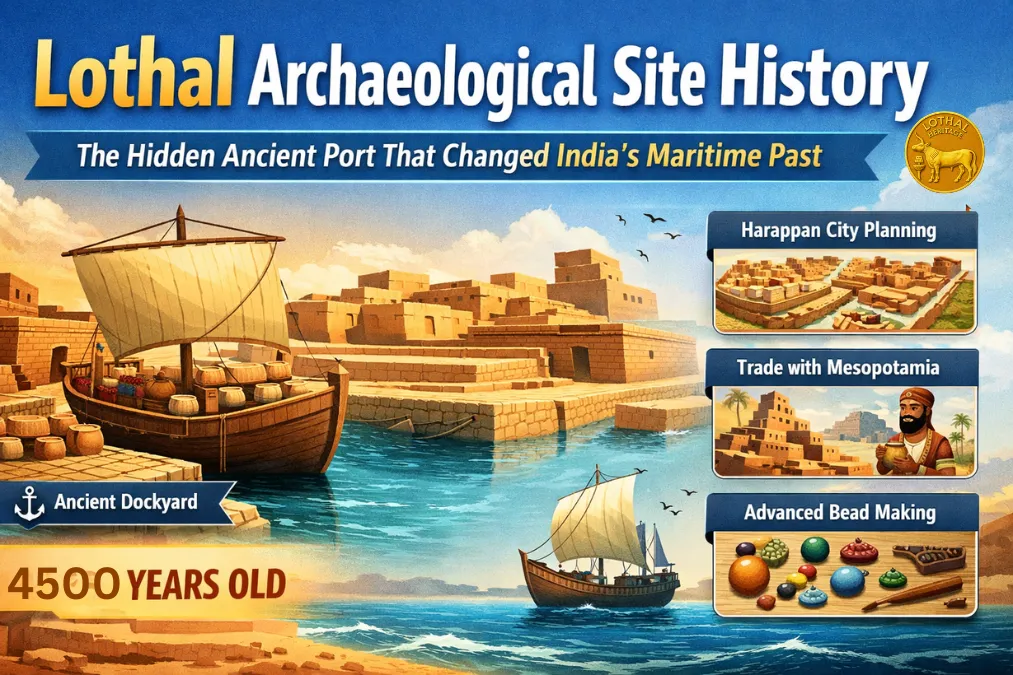
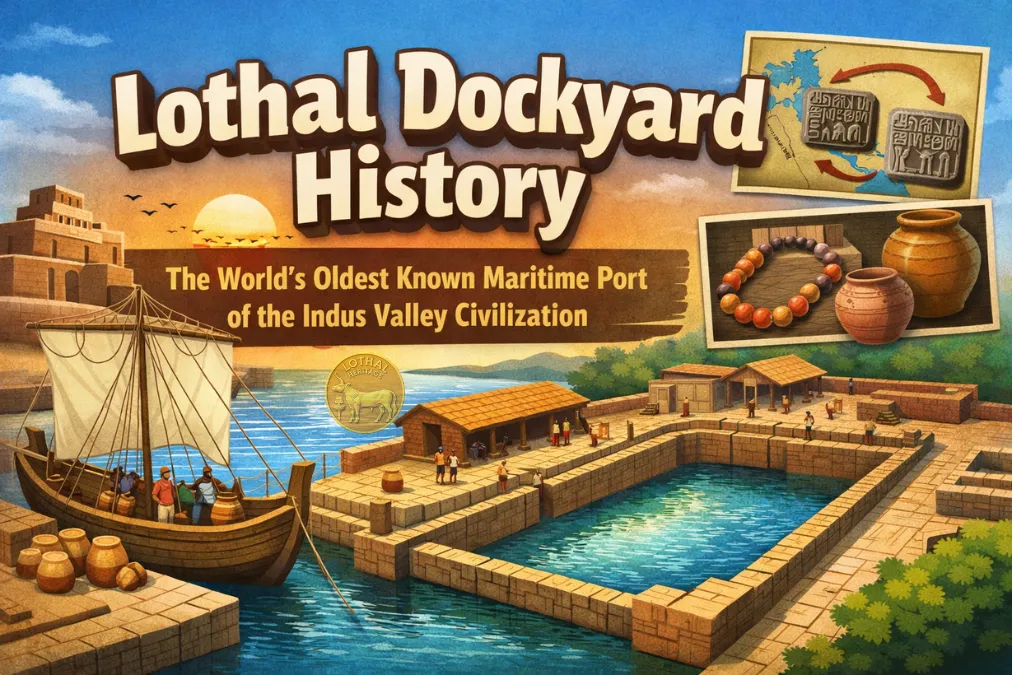
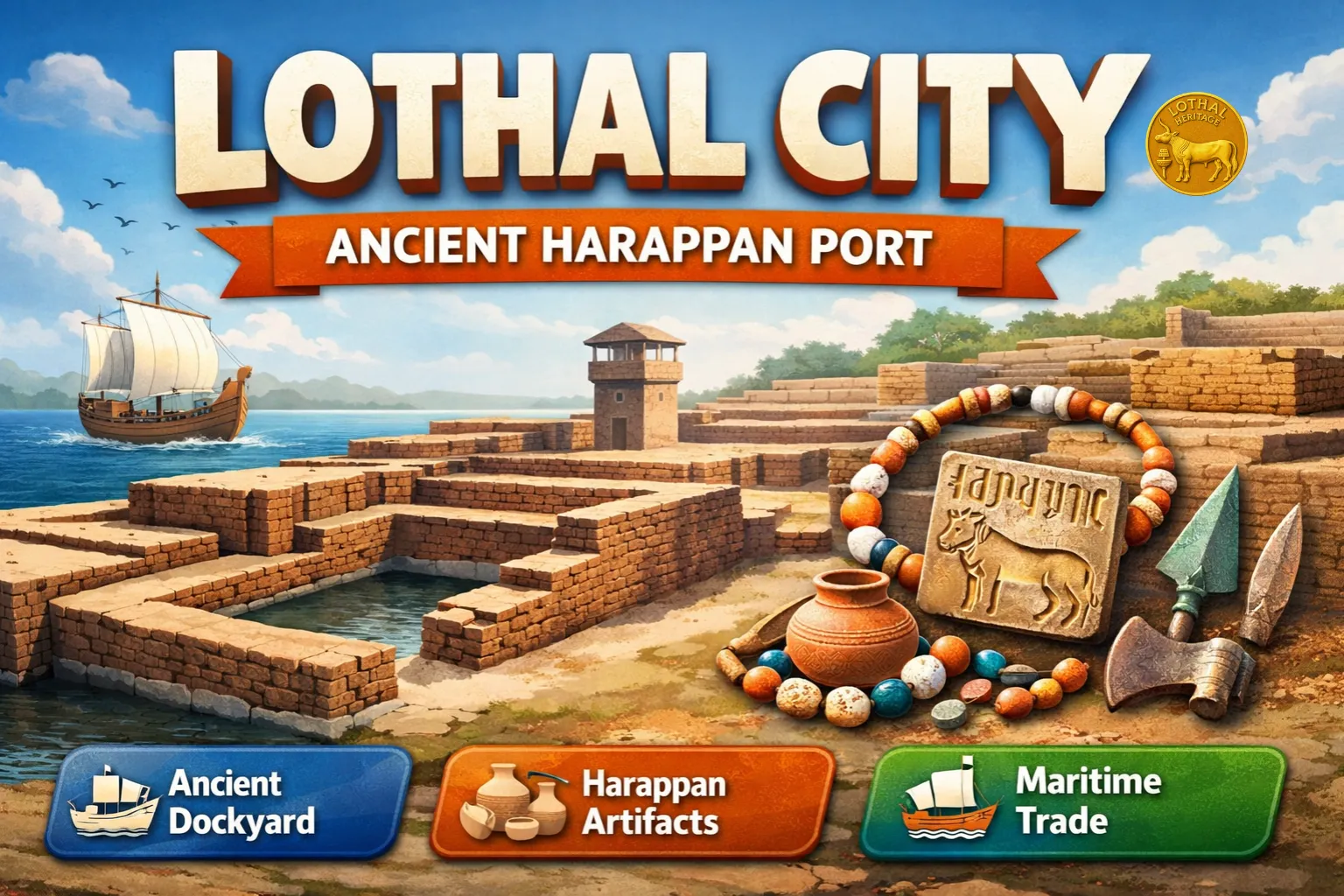
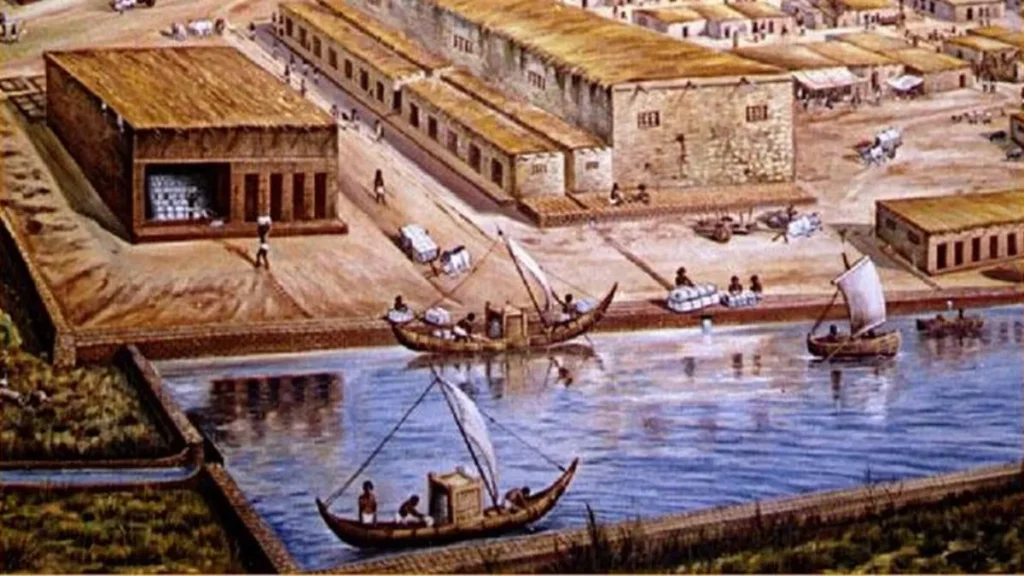
Harappan cities were major trade hubs, connected through river networks and maritime routes. Lothal, for example, featured a sophisticated dockyard engineered to control tidal waters, enabling overseas trade with Mesopotamia and beyond.
The urban planning of Harappan Civilization supported these commercial activities by designating specific areas for industry, storage, and markets. Seals, standardized weights, and well-designed warehouses indicate a thriving economic system.
Connectivity between cities also suggests shared trade policies and coordinated governance, reinforcing the idea of a culturally unified civilization.
Also read: Lothal: Unearthing the Legacy of One of the Indus Valley Civilization’s Most Advanced Port Cities
Environmental Adaptation and Sustainability
One of the most admirable aspects of Harappan city design is its environmental adaptation. Settlements were positioned based on water availability, soil fertility, and trade access. Builders modified natural terrain with remarkable precision-whether through artificial mounds, reservoirs, or drainage channels.
Cities like Dholavira survived harsh climatic conditions through innovative water conservation methods. Mohenjo-daro’s elevated platforms protected buildings from seasonal floods. The urban planning of Harappan Civilization thus reflects a deep ecological understanding and long-term sustainability-principles that modern cities often struggle to follow.
Also read: Indus Valley Civilisation: Tracing the Legacy of an Ancient Urban World
Urban Planning Ideology and Cultural Life
The consistency across Harappan cities reveals a coherent planning ideology. Urban life was structured, organized, and community-centric. The absence of visible social stratification or lavish palaces suggests a relatively egalitarian society.
Art, craftsmanship, and trade flourished, reflecting a culture that valued aesthetics alongside efficiency. Terracotta figurines, seals, ornaments, and pottery indicate that cultural activities were woven into everyday life.
Most importantly, the urban planning of Harappan Civilization shows a civic mindset that placed importance on sanitation, resource management, and collective welfare.
Also read: Harappan Civilization: Tracing the Legacy of an Ancient Urban World
Legacy and Global Significance
The influence of Harappan urbanism extends far beyond its era. Modern planners still study its sophisticated drainage systems, zoning principles, and water management techniques. The civilization’s emphasis on cleanliness, order, and efficient public infrastructure remains relevant in today’s rapidly urbanizing world.
Harappan urban design also challenges assumptions about the capabilities of ancient societies. Their accomplishments rival, and in some ways surpass, those of Egypt or Mesopotamia in public health and civic engineering.
The urban planning of Harappan Civilization stands as a testament to human ingenuity, social cooperation, and scientific advancement long before modern technologies existed.
Also read: Seals of Harappan Civilization: Exploring the Legacy of an Ancient Script and Symbolic World
Conclusion
The urban planning of Harappan Civilization was a triumph of ancient engineering and governance, blending practicality with visionary design. With its grid-pattern cities, advanced drainage systems, standardized materials, efficient zoning, and sustainable water management, the civilization exemplified urban excellence long before the modern era.
The legacy of Harappan city design continues to inspire scholars and planners today, serving as a reminder that thoughtful urban organization has always been central to human progress. Through its remarkable achievements, the civilization carved a permanent place in history, illustrating how innovation, order, and community welfare can shape the identity of an entire culture.