What happened to Lothal? This question has intrigued historians, archaeologists, and readers of ancient history for decades, because the story of Lothal is not only about the fall of a city but also about the changing relationship between human civilization and nature. Once a thriving port of the Indus Valley Civilization, Lothal stood at the crossroads of maritime trade, technological innovation, and urban planning. Its gradual decline reveals how environmental shifts, economic changes, and human decisions can reshape even the most advanced societies.
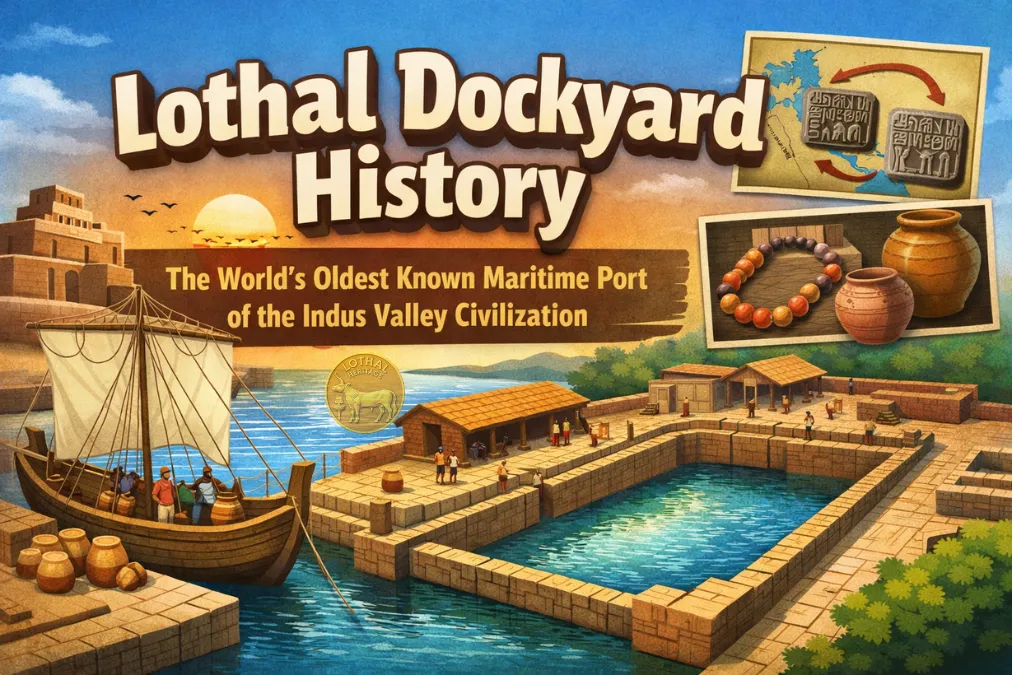
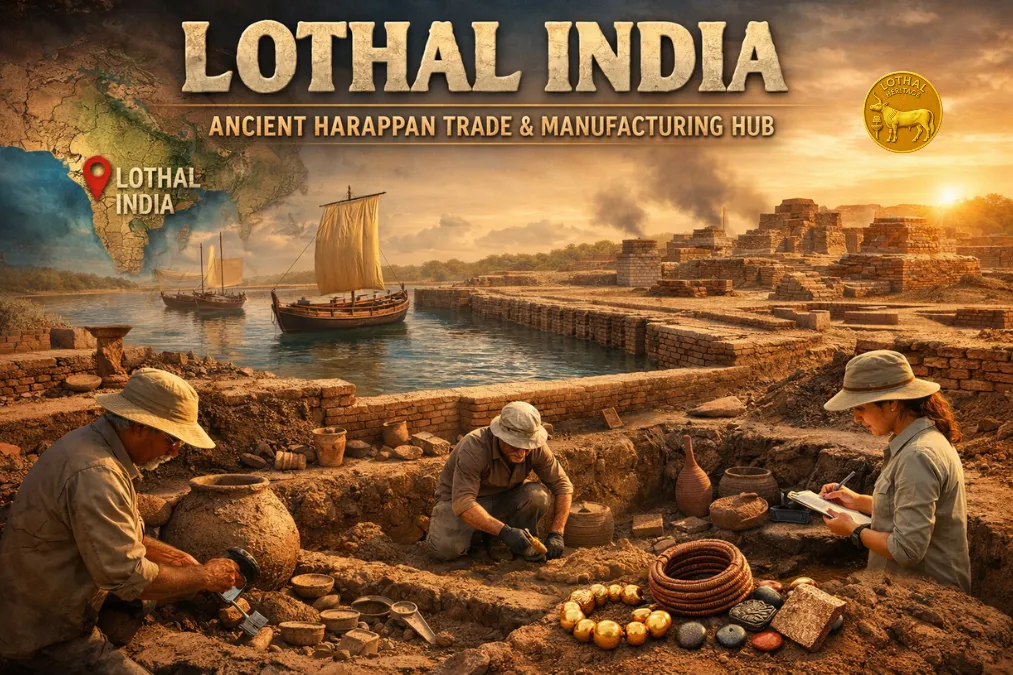
Located in present-day Gujarat, India, Lothal flourished around2400 BCE as one of the southernmost and most important urban centers of the Harappan world. Excavations have shown that it was meticulously planned, with baked-brick structures, well-laid streets, drainage systems, warehouses, and a dockyard that many scholars consider one of the earliest known in the world. To understand what happened to Lothal, it is essential to examine both its remarkable achievements and the challenges that ultimately led to its abandonment.
Lothal at Its Peak: A Center of Trade and Innovation
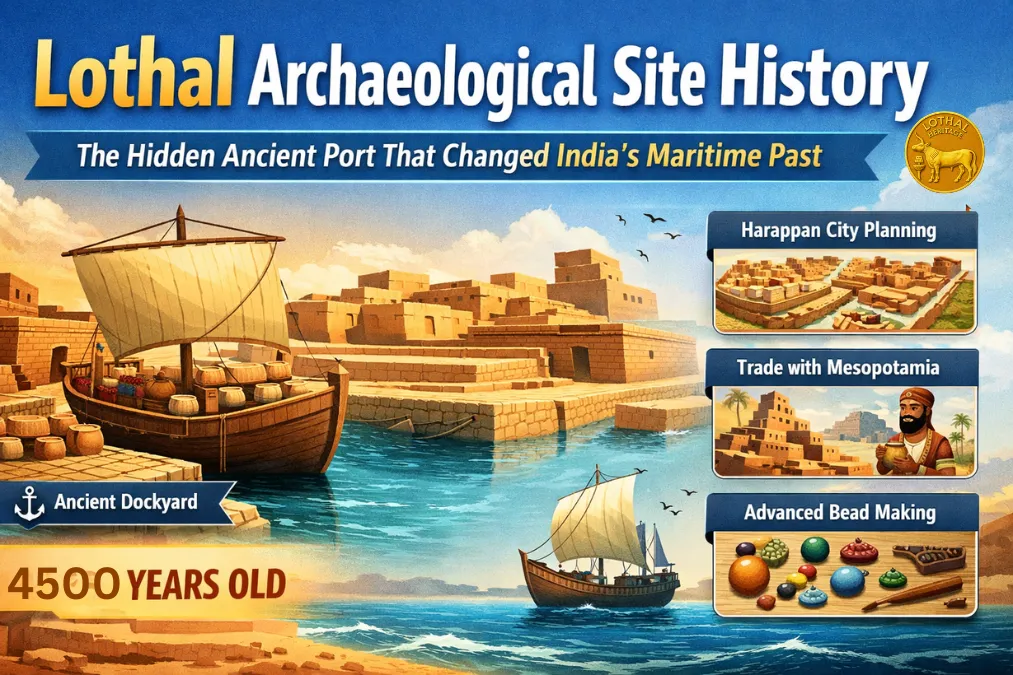
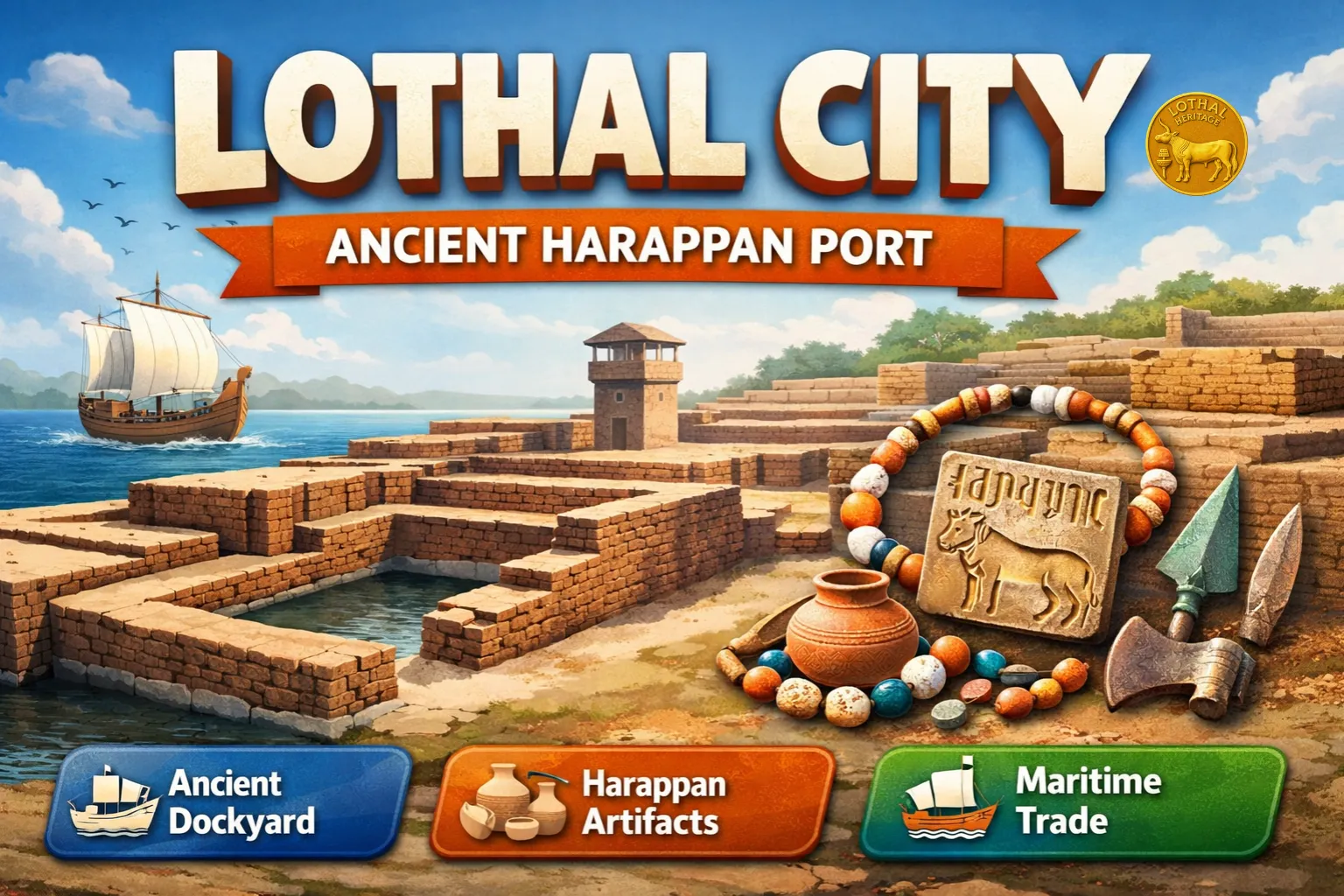
Before asking what happened to Lothal?, it is important to understand what Lothal once was. The city was strategically located near ancient river channels that connected it to the Arabian Sea, making it an ideal hub for maritime trade. Archaeological evidence suggests that merchants from Lothal traded beads, shell objects, pottery, and metal goods with regions as far as Mesopotamia.
Lothal was also a center of craftsmanship. Its bead-making industry was particularly advanced, producing carnelian beads that were highly valued across the ancient world. The city’s dockyard, warehouses, and standardized weights point to a highly organized economic system supported by civic planning and administrative control. At its height, Lothal symbolized the technological confidence and global outlook of the Indus Valley Civilization.
Environmental Changes and River Shifts
One of the most widely discussed answers to what happened to Lothal? lies in environmental change. Geological and archaeological studies indicate that the river systems feeding Lothal began to change course over time. As rivers shifted or dried up, the city’s access to navigable waterways weakened.
Flooding also appears to have played a major role. Layers of silt found at the site suggest repeated floods that damaged buildings and infrastructure. While the inhabitants attempted repairs, the cumulative impact of floods likely strained resources and disrupted daily life. Over time, maintaining the dockyard and urban systems may have become increasingly difficult.
Decline of Maritime Trade
Lothal’s prosperity was closely tied to maritime commerce. When changes in river flow reduced access to the sea, trade routes may have shifted to other ports. As a result, Lothal’s economic importance declined. Without regular trade, industries such as bead-making and metalwork would have suffered, leading to reduced employment and population loss.
This economic downturn offers another perspective on what happened to Lothal? The city did not collapse suddenly but appears to have experienced a gradual weakening of its commercial foundations. As trade diminished, so did the city’s ability to sustain its complex urban lifestyle.
Urban Stress and Social Adaptation
Archaeological evidence suggests that later phases of Lothal show signs of reduced urban planning. Buildings became smaller and less uniform, and the use of high-quality baked bricks declined. These changes indicate that civic authority and centralized planning may have weakened over time.
Rather than abandoning the city immediately, inhabitants seem to have adapted to changing conditions. Some shifted to simpler forms of living, focusing more on agriculture and local activities. This slow transformation is key to understanding what happened to Lothal, as it highlights resilience as well as decline.
Comparison of Lothal Before and After Decline
| Aspect | Lothal at Its Peak | Lothal During Decline |
|---|---|---|
| Trade | Extensive maritime and inland trade | Reduced or localized trade |
| Urban Planning | Highly planned streets and drainage | Simpler, less uniform structures |
| Economy | Strong craft and export-based economy | Limited production and exchange |
| Infrastructure | Maintained dockyard and warehouses | Damaged or underused facilities |
| Population | Dense and organized urban population | Gradual population reduction |
Broader Decline of the Indus Valley Civilization
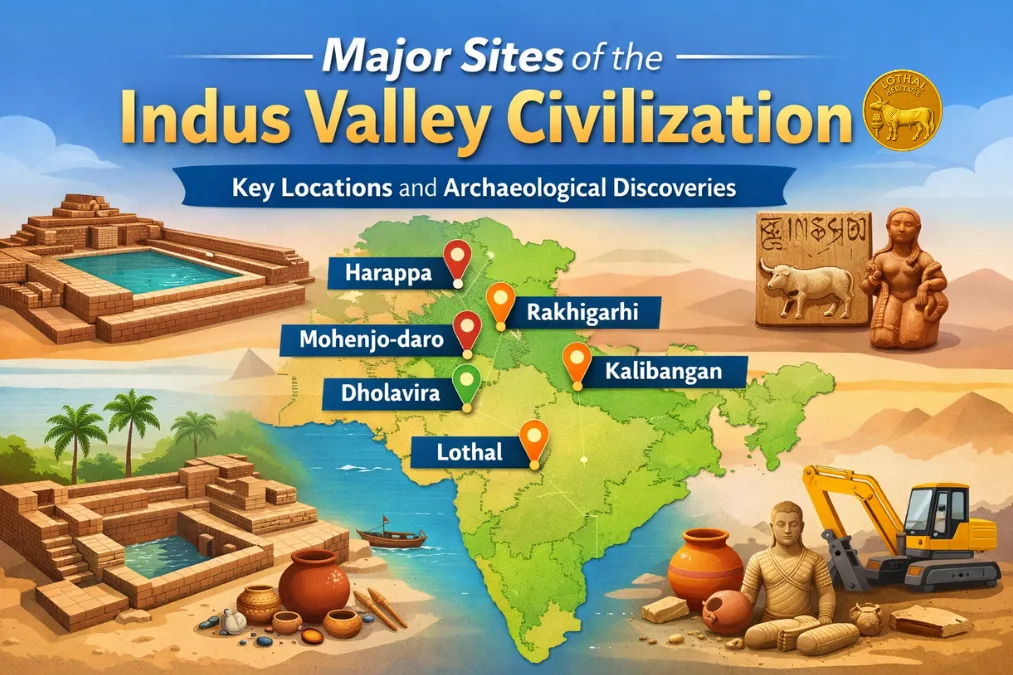
To fully answer what happened to Lothal?, it must be placed within the wider context of the Indus Valley Civilization’s decline. Around 1900 BCE, many Harappan cities across the region experienced similar patterns of de-urbanization. Climate change, including shifts in monsoon patterns, likely reduced agricultural productivity, forcing populations to disperse.
Lothal’s fate mirrors this broader transformation. It was not destroyed by invasion or a single catastrophe but slowly lost its urban character as people adapted to new environmental and economic realities.
Archaeological Rediscovery and Modern Understanding
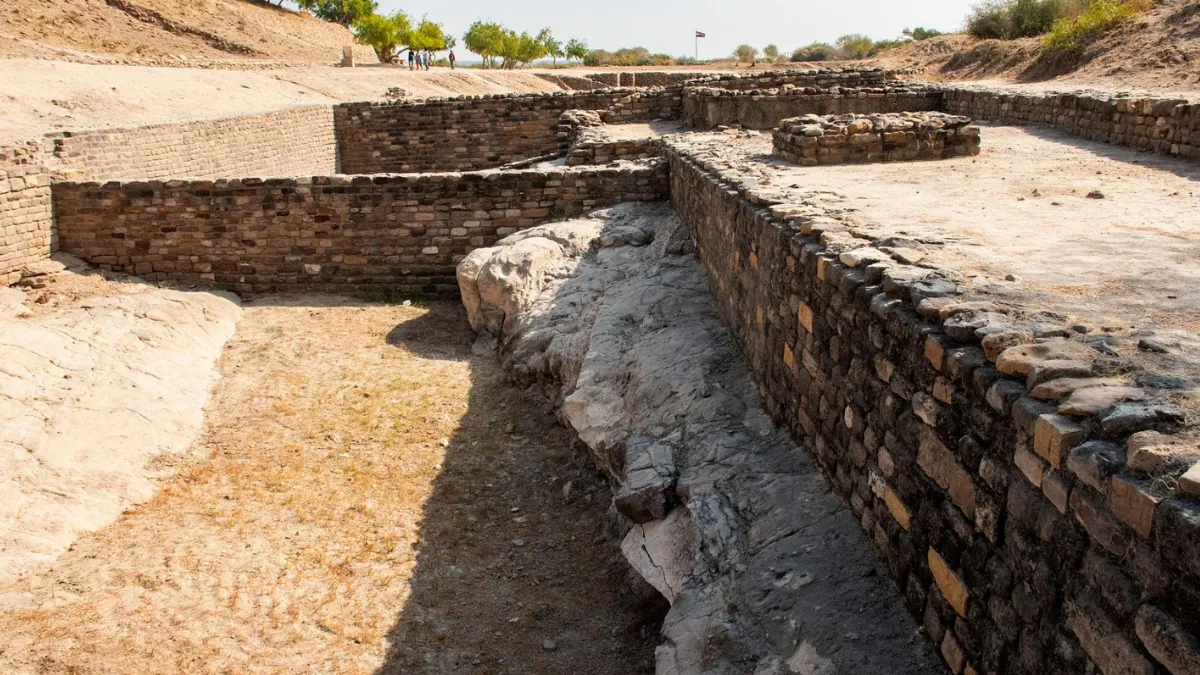
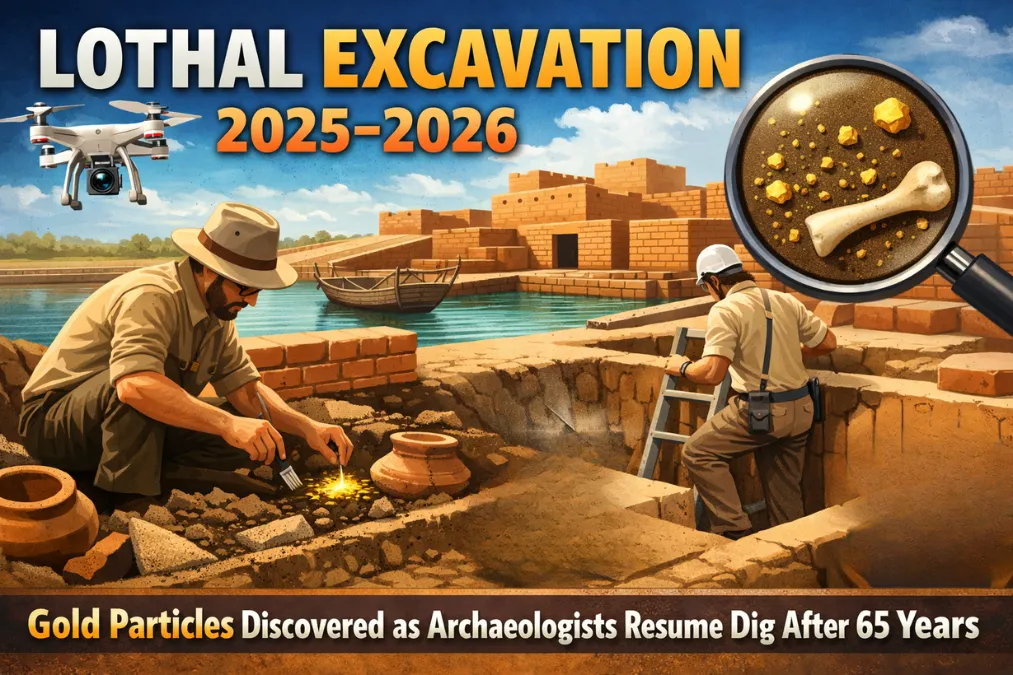
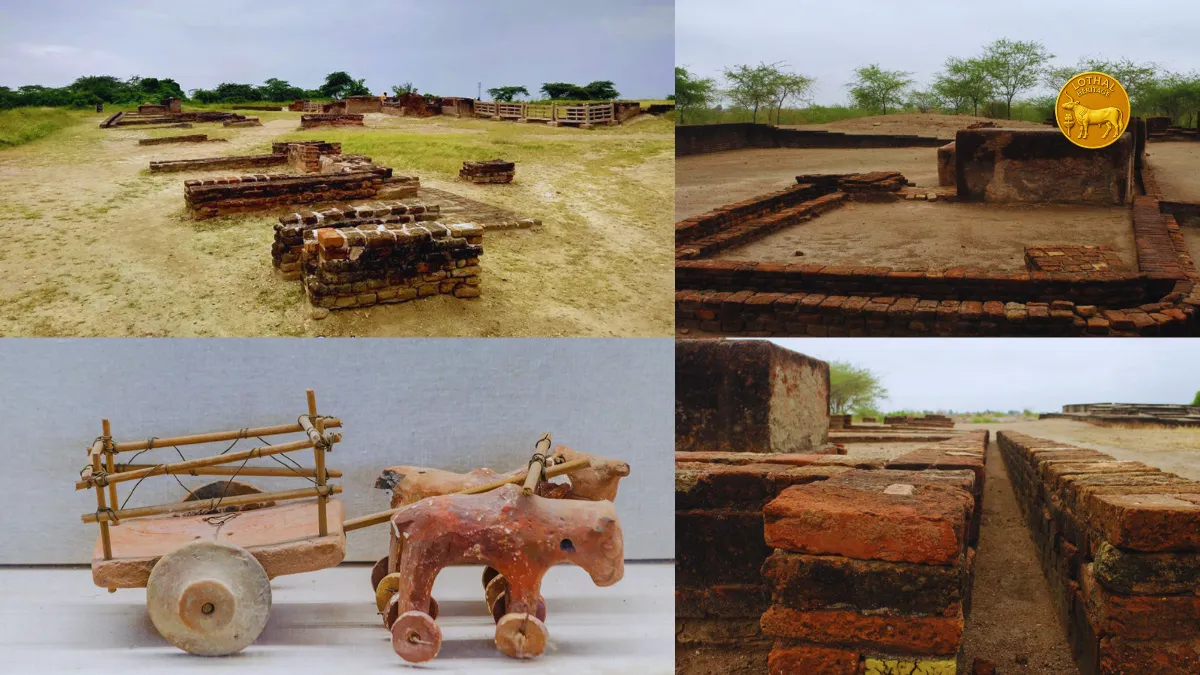
Centuries after its abandonment, Lothal remained buried beneath layers of earth until its excavation in the 20th century. Archaeologists uncovered its dockyard, drainage systems, and artifacts, reigniting interest in the question of what happened to Lothal. These discoveries reshaped understanding of ancient maritime trade and urban planning in South Asia.
Today, Lothal is recognized as a key site for understanding early human interaction with coastal environments. Its ruins stand as evidence of both human ingenuity and vulnerability.
Read also: What was Lothal famous for? Exploring the Legacy of an Ancient Harappan Port City
Why Lothal Still Matters
Asking what happened to Lothal? is not merely an academic exercise. The story of Lothal carries lessons for the modern world, particularly for cities dependent on trade, waterways, and stable climates. It shows how environmental changes can challenge even the most advanced systems, and how adaptability can prolong survival, though not always prevent decline.
Lothal’s legacy lies in its innovations and in the cautionary tale of its decline. From its carefully engineered dockyard to its standardized trade practices, the city represents a high point of ancient urban life. Its gradual disappearance reminds us that civilizations are dynamic, shaped by forces both within and beyond human control.
Read also: Seals of Harappan Civilization: Exploring the Legacy of an Ancient Script and Symbolic World
Conclusion
So, what happened to Lothal? The answer is complex and multifaceted. Environmental changes altered river systems, repeated floods damaged infrastructure, trade routes shifted, and broader climatic patterns affected the entire Indus Valley region. Together, these factors led to a slow transformation rather than a sudden collapse.
Lothal did not vanish overnight. Instead, it faded from prominence as its people adapted to new realities. Today, its remains offer valuable insights into ancient history and enduring lessons about resilience, sustainability, and the delicate balance between human ambition and nature.