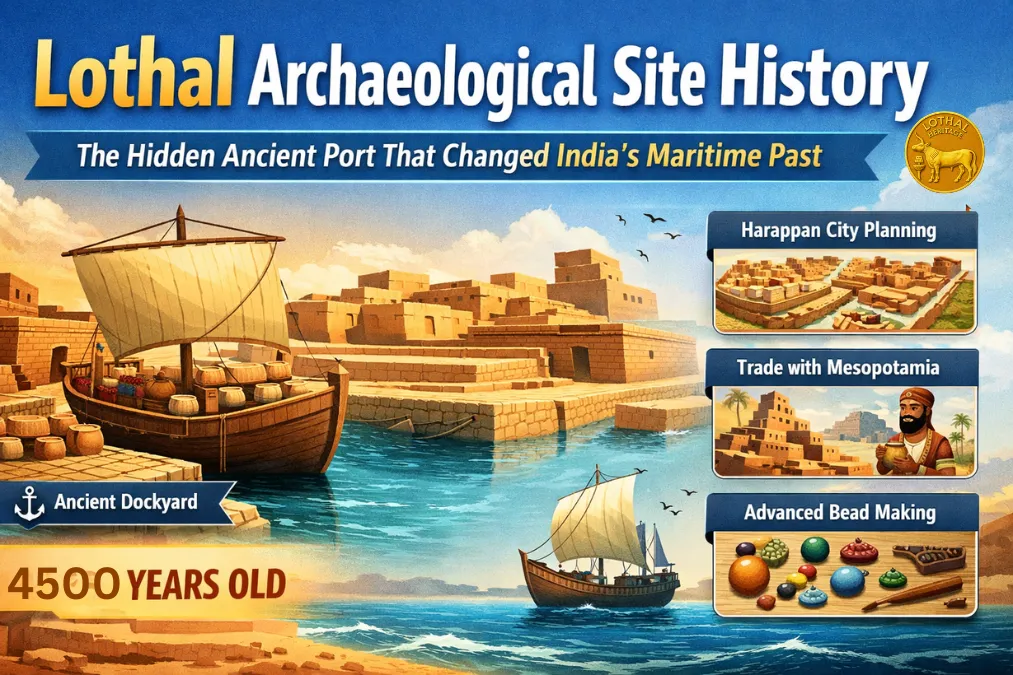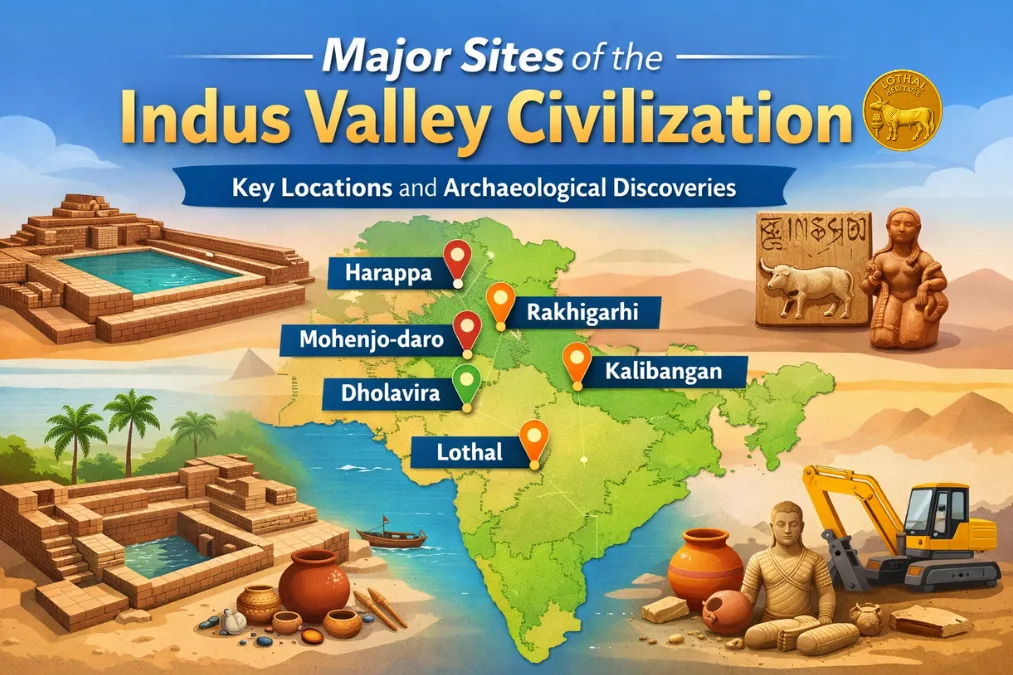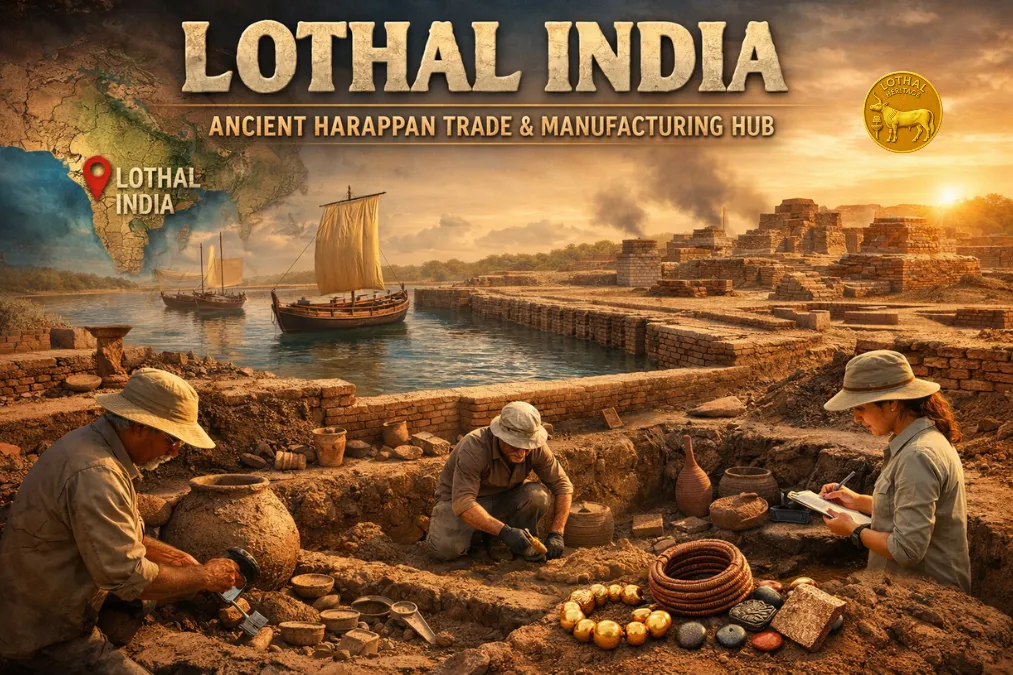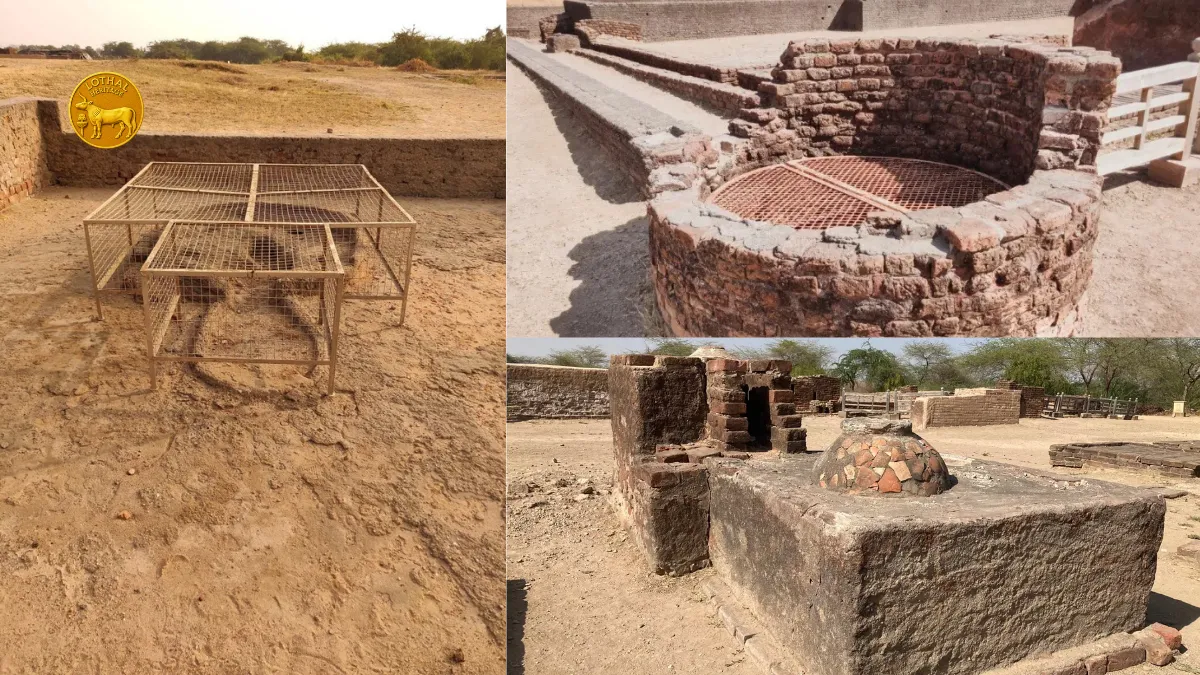
What was Lothal famous for? This question leads historians and readers alike into the remarkable story of one of the most advanced urban centers of the Indus Valley Civilization. Located in present-day Gujarat, India, Lothal stands out not merely as an archaeological site but as a powerful symbol of early human ingenuity, maritime ambition, and organized urban life. Flourishing around 2400 BCE, Lothal played a critical role in trade, technology, and administration at a time when much of the world was still experimenting with settled life.
The Geographic Setting of Lothal
Lothal was strategically situated near the Gulf of Khambhat, connected to ancient river systems that once flowed into the Arabian Sea. This advantageous location allowed the settlement to develop into a thriving hub of maritime activity. Unlike many inland Harappan cities, Lothal’s planners clearly understood the value of sea access, seasonal tides, and river navigation.
The surrounding region offered fertile land for agriculture, while proximity to coastal routes opened doors to long-distance trade. This unique blend of agrarian stability and maritime access shaped what was Lothal famous for in the broader Harappan world.
What was Lothal Famous for? Its Ingenious Dockyard
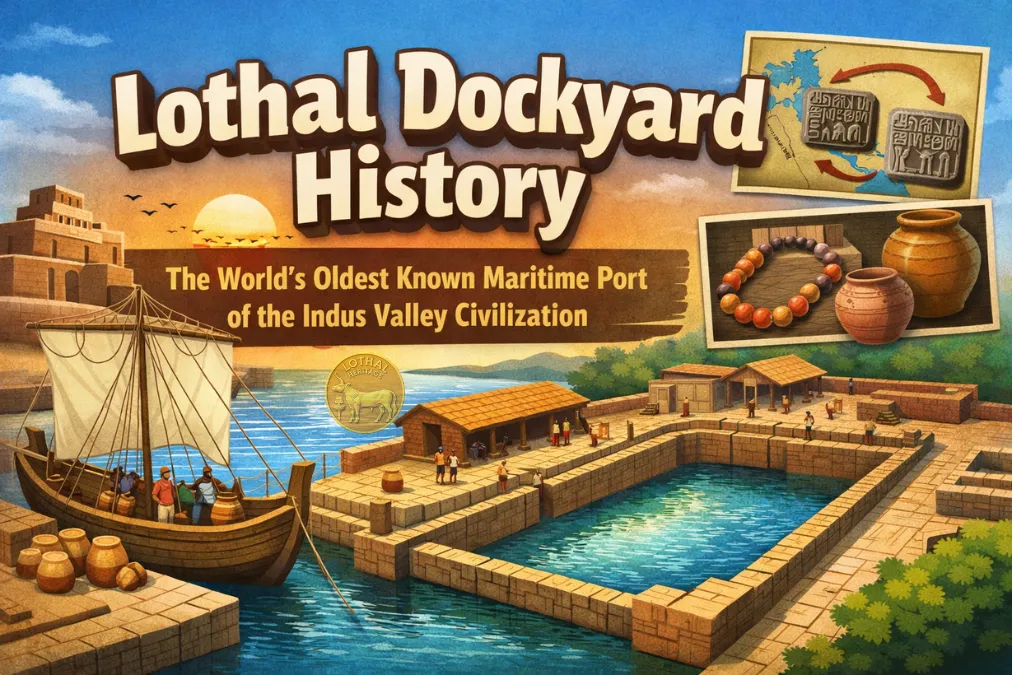
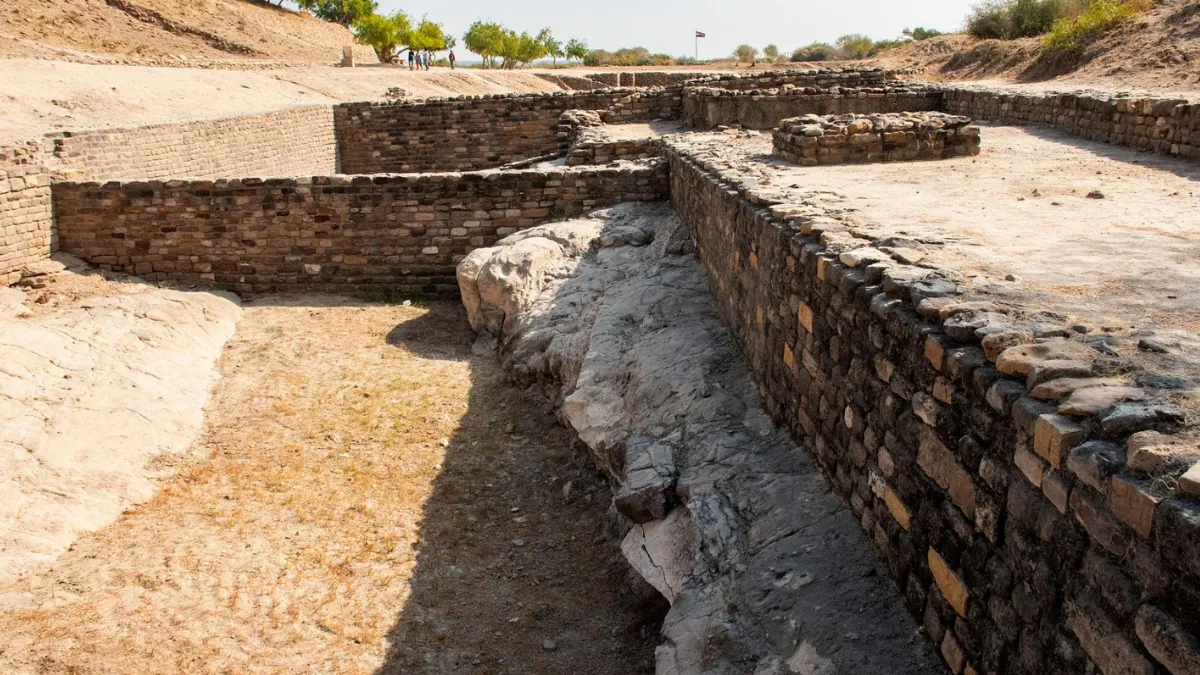
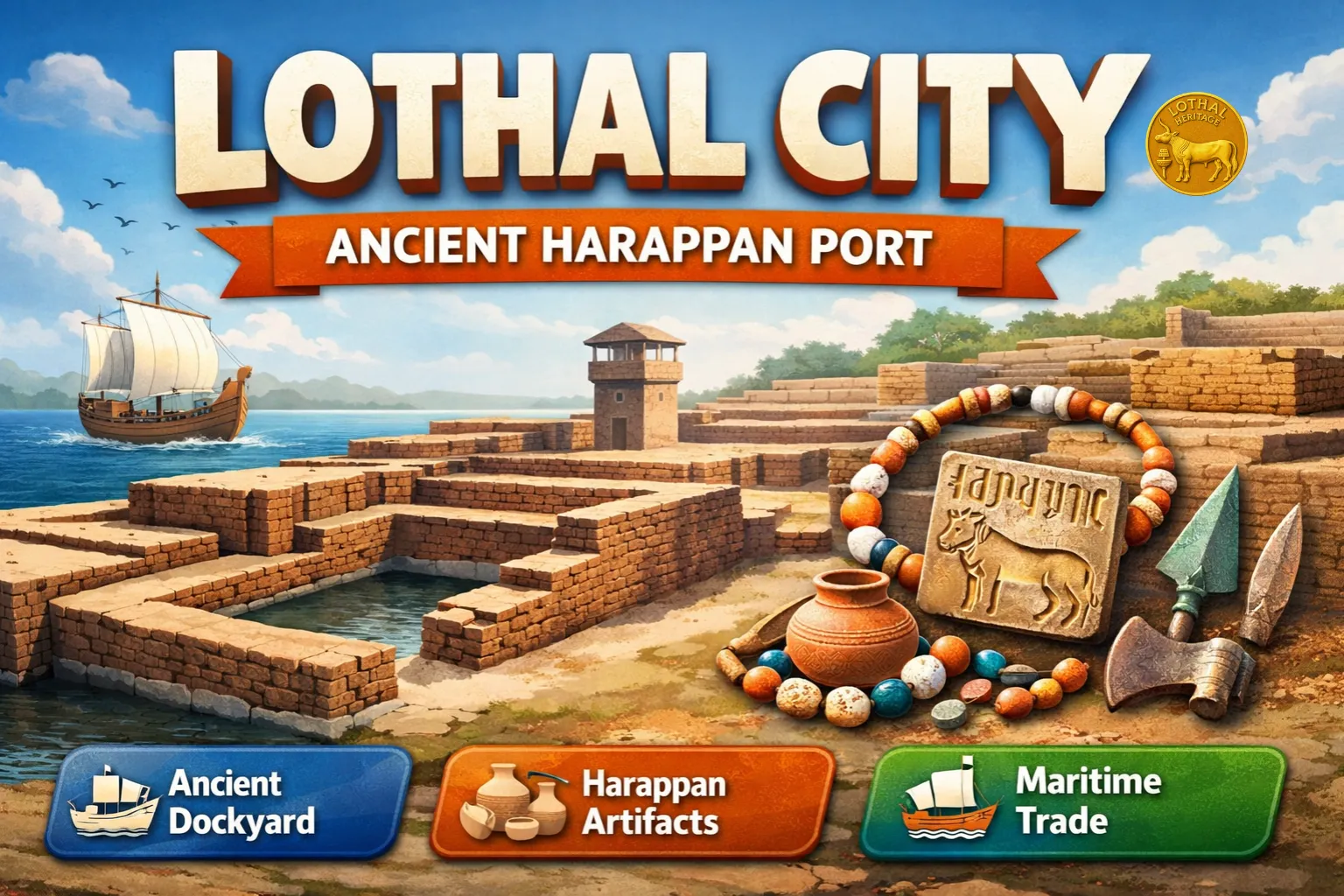
One of the most striking discoveries at Lothal is its dockyard, widely regarded as the world’s earliest known tidal dock. Built with baked bricks and precise engineering, the dockyard was designed to regulate water levels and protect ships from silting.
This structure highlights the advanced understanding Harappans had of tides, hydraulics, and marine construction. The dockyard was connected to a warehouse complex, suggesting systematic loading and unloading of goods. Scholars believe ships from Lothal sailed as far as Mesopotamia, Oman, and the Persian Gulf.
When discussing what was Lothal famous for?, the dockyard remains the most defining feature, setting Lothal apart from all other Indus Valley sites.
A Center of International Trade and Commerce
Lothal was a bustling commercial center engaged in both inland and overseas trade. Archaeological finds include seals, beads, weights, and tools that reveal extensive trade networks. Materials such as copper, semi-precious stones, shell, and ivory passed through the city.
Standardized weights made of stone indicate regulated trade practices, ensuring fairness and consistency in transactions. Seals found at Lothal bear similarities to those discovered in Mesopotamian sites, strengthening evidence of cross-cultural exchange.
Trade was not incidental but central to Lothal’s identity, reinforcing why what was Lothal famous for? is so closely tied to commerce and connectivity.
Mastery in Bead-Making and Craftsmanship
Lothal was renowned for its bead-making industry, particularly beads made from carnelian, agate, and jasper. Artisans employed advanced techniques such as micro-drilling, polishing, and heat treatment to produce finely crafted ornaments.
These beads were not only used locally but exported widely, making Lothal a major production center. The precision and aesthetic quality of these artifacts reflect a high level of skill and specialization.
Craft workshops, kilns, and tool remains found at the site show that manufacturing was well-organized, likely overseen by civic authorities.
Urban Planning and Scientific Precision
Another reason often cited when asking what was Lothal famous for? is its exceptional town planning. The city was divided into distinct zones, including residential areas, industrial zones, warehouses, and administrative spaces.
Drainage systems were carefully designed with covered channels, soak pits, and regular maintenance access. Streets followed a grid pattern, and houses were built with uniform baked bricks, reflecting strict construction standards.
Perhaps most remarkable is Lothal’s measuring scale, made of shell, with markings accurate to a fraction of a millimeter. This suggests a sophisticated understanding of measurement and standardization rarely seen in ancient societies.
Governance and Social Organization
Lothal’s layout points to strong civic administration. The separation of industrial and residential areas indicates planning with public health and efficiency in mind. Large public structures, such as warehouses, imply centralized control over trade and storage.
While no palaces or grand temples have been identified, the city’s orderliness suggests governance based on collective administration rather than individual rulers. This model of urban management was one of the strengths of the Indus Valley Civilization as a whole.
Decline and Abandonment
Despite its prosperity, Lothal eventually declined. Environmental changes, including shifts in river courses and repeated flooding, likely disrupted trade routes and agricultural productivity. Evidence of reconstruction after floods suggests resilience, but over time, sustaining the city became difficult.
By around 1900 BCE, Lothal was largely abandoned, marking the broader decline of the Harappan urban system. Yet its legacy continued to influence later settlements in the region.
Key Features That Define Lothal
The following table summarizes the major aspects that help explain what was Lothal famous for:
| Aspect | Description |
|---|---|
| Dockyard | World’s earliest known tidal dock for maritime trade |
| Trade Networks | Links with Mesopotamia, Oman, and Persian Gulf regions |
| Craftsmanship | Advanced bead-making and shell-working industries |
| Urban Planning | Grid-based layout with efficient drainage systems |
| Measurement Systems | Highly precise standardized weights and scales |
| Administration | Organized zoning and centralized storage facilities |
Read also: Harappa Port-Town Lothal: Tracing the Life, Landscape, and Legacy of an Ancient Harappan Port
Archaeological Discovery and Modern Significance
Lothal was discovered in the 1950s by archaeologists of the Archaeological Survey of India. Excavations revealed a wealth of information that reshaped understanding of ancient Indian maritime history.
Today, Lothal is recognized as one of the most important archaeological sites in South Asia. It provides clear evidence that the Indus Valley Civilization was not isolated but actively engaged with the wider ancient world.
Read also: Lothal: The Ancient Port City That Redefined Early Maritime Trade
Why Lothal Still Matters Today
Understanding what was Lothal famous for? goes beyond academic curiosity. Lothal demonstrates that complex urban planning, international trade, and scientific precision existed in the Indian subcontinent over 4,000 years ago.
Its dockyard challenges earlier assumptions about the origins of maritime engineering, while its artifacts highlight the cultural and economic sophistication of the Harappans. Lothal stands as a reminder that ancient civilizations were capable of remarkable innovation, organization, and global connection.
In the broader narrative of human history, Lothal is not just a ruin but a testament to early human ambition and adaptability-qualities that continue to shape civilizations even today.