Where is Lothal located-this is a question that often arises among history enthusiasts, archaeology students, and travelers interested in exploring India’s ancient past. Lothal stands as one of the most significant sites of the Indus Valley Civilization, offering a remarkable look into urban planning, maritime trade, and cultural development that thrived more than 45,00 years ago. Understanding its exact location, historical importance, and present-day accessibility provides a deeper appreciation of how advanced the Harappan world truly was.
Lothal is widely recognized for its dockyard, carefully designed drainage systems, and evidence of a thriving bead-making industry. Today, it remains a major archaeological site in India, visited by researchers and tourists alike who wish to understand the roots of early civilization on the subcontinent. Its location is not just geographical but also cultural, connecting the past with the present.
Historical Significance of Lothal
To understand Where is Lothal located in the context of ancient times, one must look back at the era when the Indus Valley Civilization was at its peak. Lothal played a crucial role in maritime activities, serving as a gateway for trade between the Harappan people and regions such as Mesopotamia, the Persian Gulf, and parts of Africa. Archaeological discoveries at the site include seals, ornaments, pottery, beads, and tools-each shedding light on a sophisticated society with well-established trade networks.
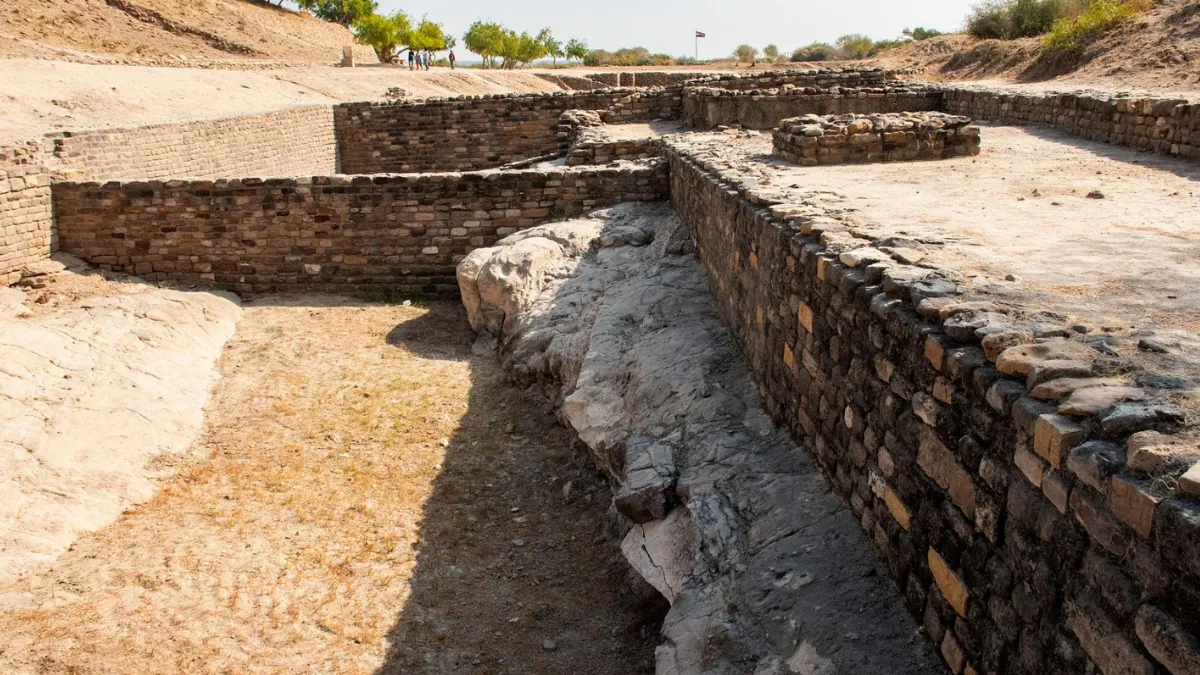
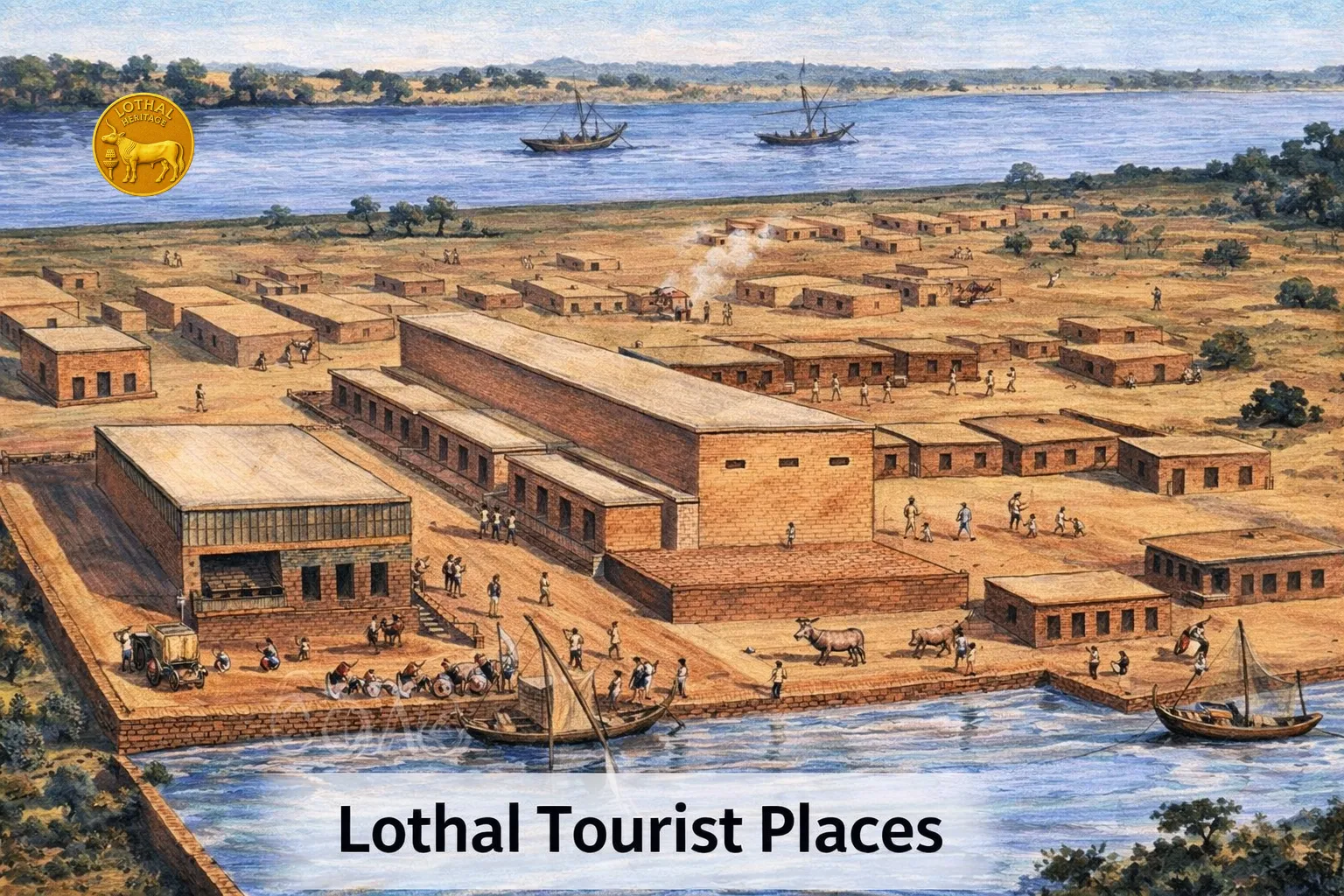
The carefully designed dockyard sets Lothal apart from other Harappan settlements. It is considered one of the earliest known docks in the world, an engineering achievement that highlights the maritime capabilities of the civilization. The strategic position of Lothal was no accident; it was deliberately chosen to facilitate navigation and commerce.
Modern Answer to “Where is Lothal located”
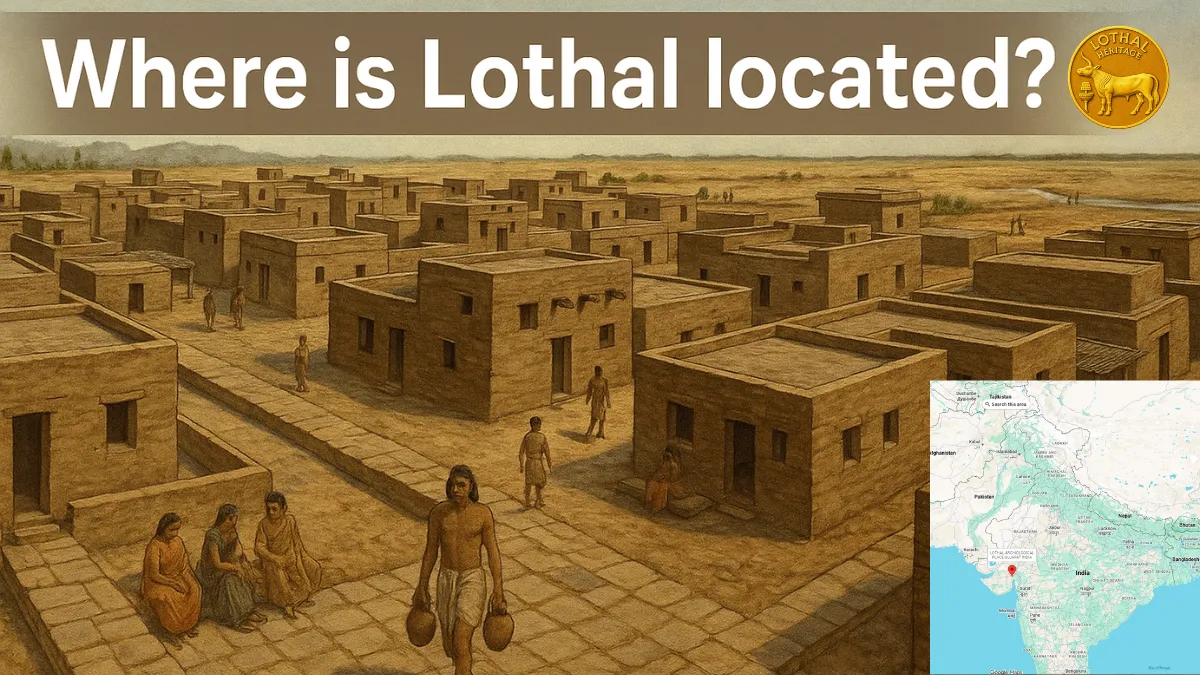
In today’s geographical context, Lothal is located in the state of Gujarat in western India. Specifically, it lies in the Bhal region, within the Ahmedabad district. The site is situated near the village of Saragwala in Dholka Taluka. It is approximately 75 kilometers from Ahmedabad city, making it easily accessible for tourists and researchers.
The surrounding landscape consists of plains and riverbeds. In ancient times, the region was connected to the Sabarmati River and the Gulf of Khambhat through channels that allowed ships to reach the dockyard. Over time, geological and environmental changes have altered the waterways, but the remains of the dockyard continue to reflect the area’s maritime heritage.
Table: Key Details About Lothal
| Aspect | Information |
|---|---|
| Country | India |
| State | Gujarat |
| District | Ahmedabad |
| Nearest Village | Saragwala |
| Distance from Ahmedabad | Approximately 75 km |
| Civilization | Indus Valley Civilization (Harappan) |
| Known For | Dockyard, trade center, bead-making industry |
Why the Location of Lothal Was Strategic
The question of Where is Lothal located cannot be fully answered without exploring why the Harappans chose this particular site. Its placement near ancient trade routes made it ideal for a port city. The proximity to the Gulf of Khambhat allowed easy access to the sea, while the nearby rivers provided inland connectivity. This strategic combination facilitated the movement of goods, people, and ideas.
Geographers and archaeologists believe that Lothal’s location was chosen after careful study of tides, terrain, and soil quality. The Harappans were experts in water management, and the design of the dockyard reflects their advanced planning. The region also provided fertile land for agriculture, supporting the settlement’s population and creating an economic balance between farming and trade.
Accessibility Today
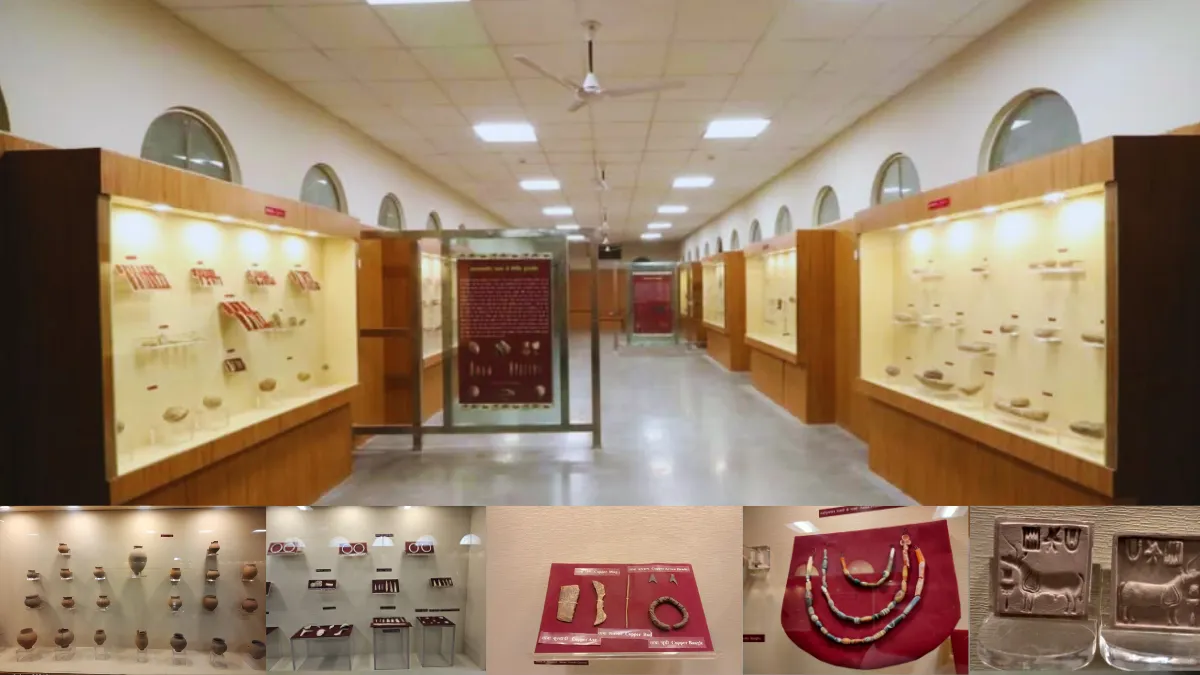
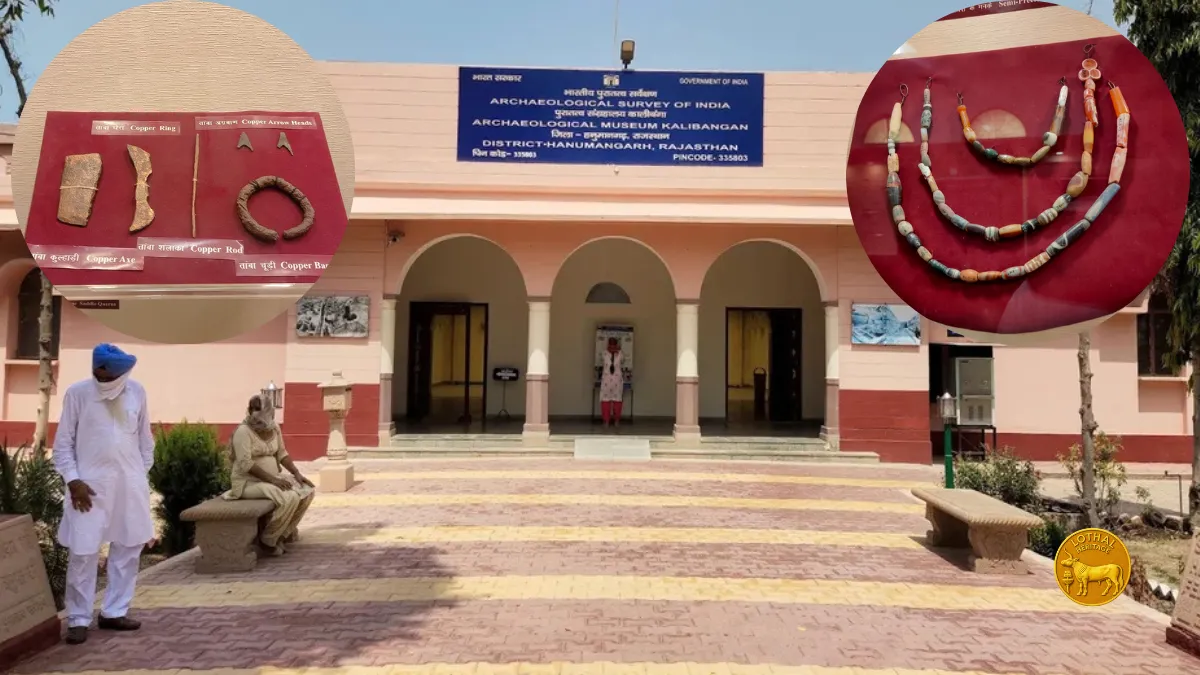
Where is Lothal located in terms of travel convenience is another aspect of interest. Thanks to its closeness to Ahmedabad, one of Gujarat’s major cities, Lothal is easily reachable by road. The route from Ahmedabad to Lothal passes through well-connected highways, and regular buses and taxis operate throughout the day. Visitors can also find basic facilities near the site, including a museum that exhibits artifacts discovered during excavations.
The Archaeological Survey of India maintains the site, ensuring preservation and accessibility for the public. The museum provides detailed insights into daily life at Lothal, showcasing pottery, beads, seals, and models of the dockyard. For history lovers and school groups, the location serves as an educational destination.
Lothal in the Broader Harappan Network
To understand the importance of Where is Lothal located within the larger Harappan landscape, it is essential to view it as part of a network of urban centers. The Indus Valley Civilization stretched across present-day Pakistan, northwest India, and parts of Afghanistan. Major sites like Harappa, Mohenjo-daro, Dholavira, and Lothal formed an interconnected system of commerce and culture.
Lothal’s maritime capabilities complemented the inland cities, which depended heavily on agriculture and craft production. Goods such as beads, shells, ivory, and textiles were transported from Lothal to other regions. The presence of seals similar to those found in Mesopotamia suggests cross-cultural exchanges that contributed to economic prosperity.
The Archaeological Discovery of Lothal
When British and Indian archaeologists began systematic exploration of ancient sites in the early 20th century, the question of Where is Lothal located from an archaeological standpoint gained great relevance. Excavations at Lothal began in 1955 under the direction of the Archaeological Survey of India. The discoveries revealed a well-planned city with sectors dedicated to housing, workshops, public buildings, and the iconic dockyard.
The town layout showed evidence of grid planning, a hallmark of the Indus Valley Civilization. Streets were straight and intersected at right angles, and houses were often equipped with private wells and bathing areas. The drainage system was sophisticated, ensuring cleanliness and public hygiene. These features demonstrate the civic planning abilities of the Harappans.
Tools and equipment found at the site highlight the technological skills of ancient craftsmen. Bead-making workshops, for example, included furnaces and specialized tools, proving that Lothal was a major production center. Many of the beads discovered here were exported to foreign lands, indicating the importance of Lothal’s geographical position.
Environmental Changes and Decline
Exploring Where is Lothal located also involves understanding how natural changes affected its prosperity. Over centuries, rivers shifted their course, and the maritime channels that once reached Lothal began to dry up. This environmental transformation led to a gradual decline in trade activity.
Some theories suggest that climatic changes, floods, or earthquakes may have contributed to the decline of the settlement. The drying of waterways particularly affected the functionality of the dockyard, reducing Lothal’s importance as a port. Despite these challenges, the site continued to exist for some time as a small village even after the decline of the broader Harappan Civilization.
Cultural and Educational Importance Today
Knowing Where is Lothal located is essential not only for geographical understanding but also for preserving cultural memory. Schools, universities, and researchers study Lothal as a key example of early urbanization. The site provides evidence of social organization, technological innovation, and economic activity that shaped ancient life.
The museum and excavated ruins offer an immersive experience, helping visitors visualize the daily routines of people who lived thousands of years ago. The bead-making shops, drainage structures, and dockyard provide tangible proof of the Harappans’ advanced knowledge.
Government and academic institutions continue to conduct research at Lothal, using modern techniques such as satellite imaging, soil analysis, and digital mapping. These efforts ensure that the heritage of Lothal is preserved for future generations.
Lothal’s Relevance in Contemporary India
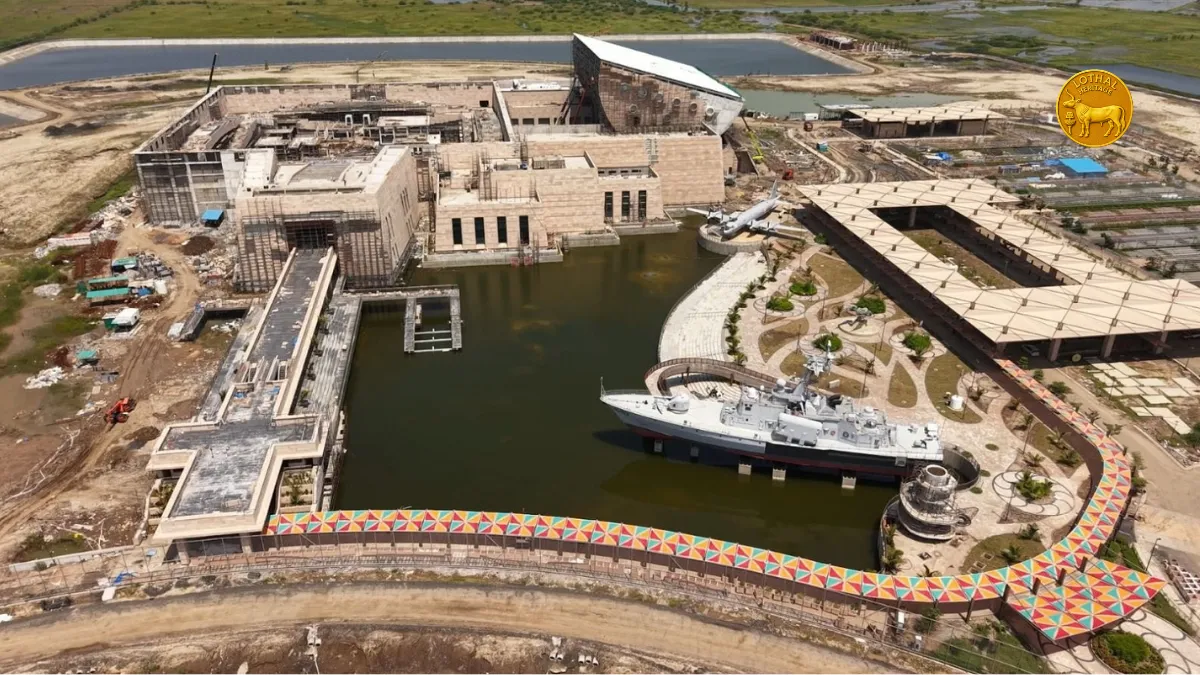
Where is Lothal located also connects to modern initiatives in India. As the country promotes its heritage and tourism sector, Lothal features prominently on historical tourism maps. Proposals for developing a maritime museum near the site reflect its legacy as an ancient port.
The story of Lothal inspires discussions on sustainable urban planning, engineering, and international trade. It serves as a reminder that technological innovation is not new; it has deep roots in the subcontinent’s past.
Also read: What Is Lothal: Exploring One of the World’s Earliest Urban Civilisations
Understanding the Region: Where is Lothal located in Gujarat?
The specific position of Lothal within Gujarat sheds light on how the region supported the growth of the settlement. The fertile lands of the Bhal region favored agriculture, while the waterways enabled transportation. The combination of natural resources and human ingenuity allowed Lothal to thrive as a center of commerce and craftsmanship.
Even today, the landscape reflects traces of its ancient identity. While the sea route is no longer accessible, the historical significance of Lothal’s placement remains intact. The location provides valuable insights into how the Harappans selected and developed their settlements.
Also read: Where Is Lothal? Inside India’s 4,500-Year-Old Port City That Rewrote Maritime History
Conclusion
Understanding Where is Lothal located offers more than just geographic clarity; it opens a window into one of the most sophisticated civilizations of the ancient world. Lothal stands as a testament to the engineering, artistic, and commercial achievements of the Indus Valley Civilization. Its location in Gujarat, close to modern Ahmedabad, makes it a crucial cultural and educational site.
Travelers, students, and history admirers continue to visit Lothal to witness the remnants of a city that once connected India to a global maritime network. The strategic placement of Lothal reminds us that geography and human innovation together shape the course of civilizations.