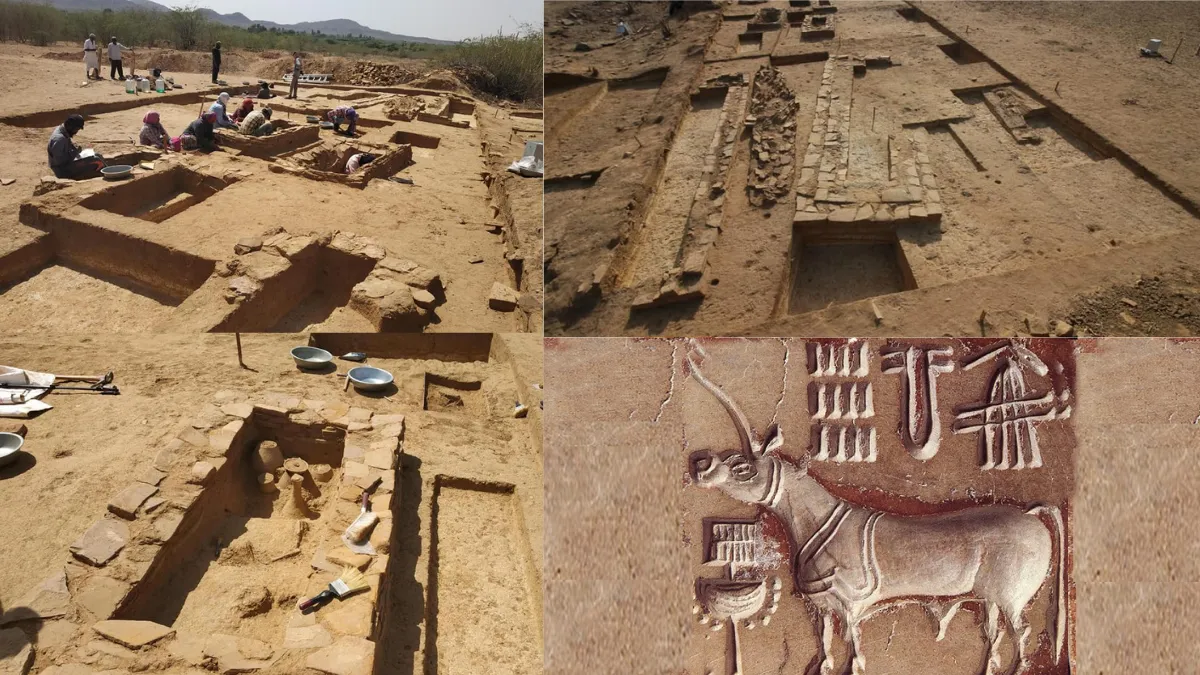
The question “who discovered harappan civilization” has intrigued historians, archaeologists, and students for decades because the answer uncovers a remarkable story of chance findings, scientific curiosity, and extraordinary excavation work. The Harappan or Indus Valley Civilization-one of the world’s earliest urban cultures—remained hidden beneath layers of earth for thousands of years until a series of discoveries in the early 20th century revealed its astonishing scale and sophistication.
This article explores the origins of those discoveries, the individuals who played pivotal roles, and the gradual emergence of a civilization that reshaped humanity’s understanding of ancient history. As the question “who discovered harappan civilization” continues to be central to discussions about South Asia’s archaeological heritage, the story behind it remains both inspiring and deeply significant.
The Accidental Beginnings
Before answering who discovered harappan civilization, it’s important to understand that the uncovering of this ancient culture was not the result of a single planned expedition. Instead, it unfolded slowly through observations, reports, and eventual archaeological excavations across the northwestern region of the Indian subcontinent.
During the mid-19th century, British engineers surveying for railway lines stumbled upon thousands of bricks scattered across the plains of Punjab and Sindh. These bricks were unusually uniform and appeared to have originated from ancient settlement mounds. Workers used them to lay tracks, unaware that they were handling material belonging to a 4,500-year-old civilization.
Despite these early clues, no one knew at that time who discovered harappan civilization, because the recognition of the site’s historical significance had not yet taken place.
The First Identifications: Alexander Cunningham and the Early Clues
Sir Alexander Cunningham, the founder of the Archaeological Survey of India (ASI), was among the first to record artifacts from the region in the late 1800s. In 1872, he reported finding a seal with an unknown script near Harappa. Although he documented it carefully, he did not realize the seal belonged to a completely unknown Bronze Age civilization.
Cunningham’s findings, however, set the stage for the explorers who would answer the question who discovered harappan civilization several decades later.
The Turning Point: Dayaram Sahni and the Discovery of Harappa
The breakthrough came in 1921 when Dayaram Sahni, an Indian archaeologist with the ASI, led a systematic excavation at the mound of Harappa in present-day Pakistan. His team uncovered large structures, seals, pottery, and tools that clearly did not belong to any known historical period of the Indian subcontinent.
This excavation confirmed Harappa as an ancient urban settlement, making Sahni one of the key figures associated with who discovered harappan civilization.
His work marked the first time scholars realized they were dealing with a civilization that predated much of recorded Indian history.
Further Revelations: R. D. Banerji and the Discovery of Mohenjo-daro
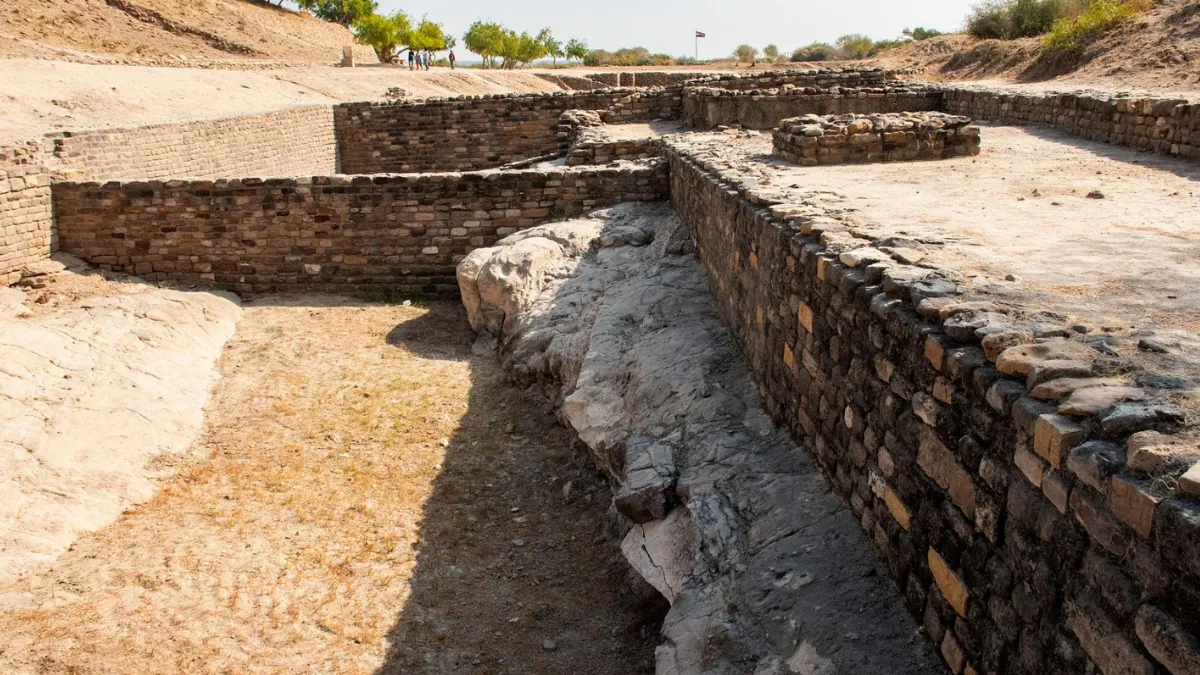
In 1922, only a year after Sahni’s discovery, another ASI archaeologist, Rakhal Das Banerji (R. D. Banerji), began excavations at the site of Mohenjo-daro in the Sindh region. His findings stunned the world: well-planned streets, multi-room houses, expansive public baths, and advanced drainage systems.
With Banerji’s discovery, it became clear that Harappa was not an isolated ancient settlement but part of a much larger civilization. Together, Sahni and Banerji provided the definitive answer to who discovered harappan civilization, as their excavations brought global attention to the existence of the Indus Valley Civilization.
Confirming the Civilization: John Marshall’s Interpretation
Sir John Marshall, Director-General of the ASI, played a crucial role in recognizing the broader significance of the discoveries. When he reviewed the findings from Harappa and Mohenjo-daro, he announced in 1924 that a previously unknown Bronze Age civilization-contemporaneous with Mesopotamia and Egypt-had existed in the region.
Marshall’s interpretation, based on Sahni and Banerji’s excavations, solidified the answer to who discovered harappan civilization and helped establish the civilization’s place among the great ancient cultures of the world.
Key Contributors to the Discovery
To understand who discovered harappan civilization, it’s essential to recognize the collaborative nature of the process. The following table summarizes the major contributors and their roles:
| Contributor | Role in the Discovery | Key Site |
|---|---|---|
| Alexander Cunningham | Documented early seals; first clues about ancient remains | Harappa |
| Dayaram Sahni | Conducted the first planned excavation; identified Harappa as an ancient city | Harappa |
| R. D. Banerji | Discovered the advanced urban site of Mohenjo-daro | Mohenjo-daro |
| John Marshall | Interpreted the findings and announced the civilization | Harappa & Mohenjo-daro |
How the Civilization Was Finally Recognized
When exploring who discovered harappan civilization, it becomes evident that recognition came not just from digging out artifacts but from piecing together patterns-urban planning, script, art, trade networks, and social structures.
The discovery process can be summarized in three stages:
- Initial Observation – Bricks and scattered remains noted by engineers and early explorers.
- Scientific Excavation – Sahni and Banerji conducting extensive digs to reveal architectural layouts.
- Interpretation and Announcement – Marshall linking the findings and presenting them as a unified civilization.
This sequence underscores why multiple individuals are credited when discussing who discovered harappan civilization, rather than a single person.
Also read: Urban Planning of Harappan Civilization: A Detailed Exploration of an Ancient Urban Marvel
The Magnitude of the Discovery
The Harappan Civilization emerged as one of the most advanced Bronze Age societies. Its cities featured:
- Grid-pattern street planning
- Sophisticated drainage systems
- Multi-level houses
- Standardized weights and measures
- Artistic seals with undeciphered scripts
- Evidence of long-distance trade with Mesopotamia
Such remarkable features transformed global understanding of early urban development and elevated the importance of knowing who discovered harappan civilization. Without the cumulative efforts of the archaeologists involved, this sophisticated civilization might have remained hidden beneath the soil.
Expanding the Horizon: Later Discoveries
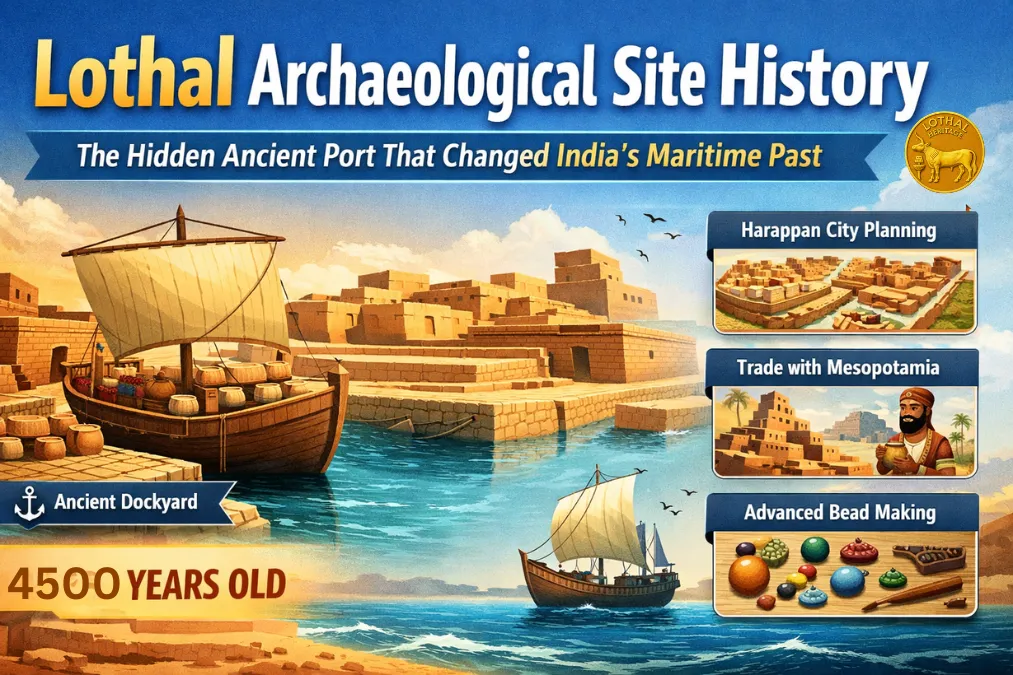
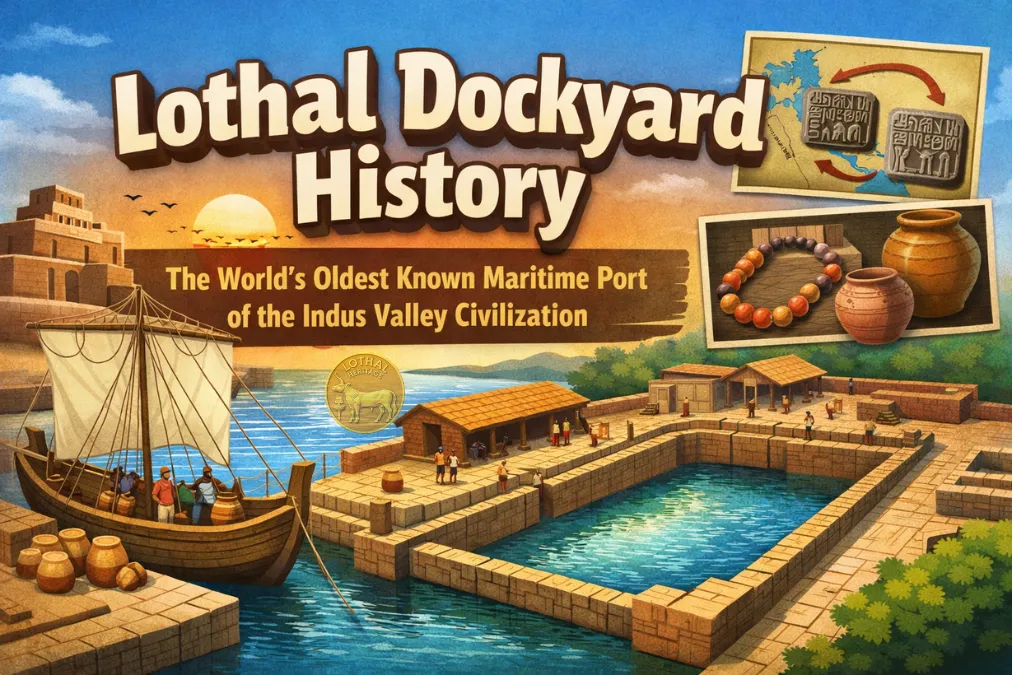
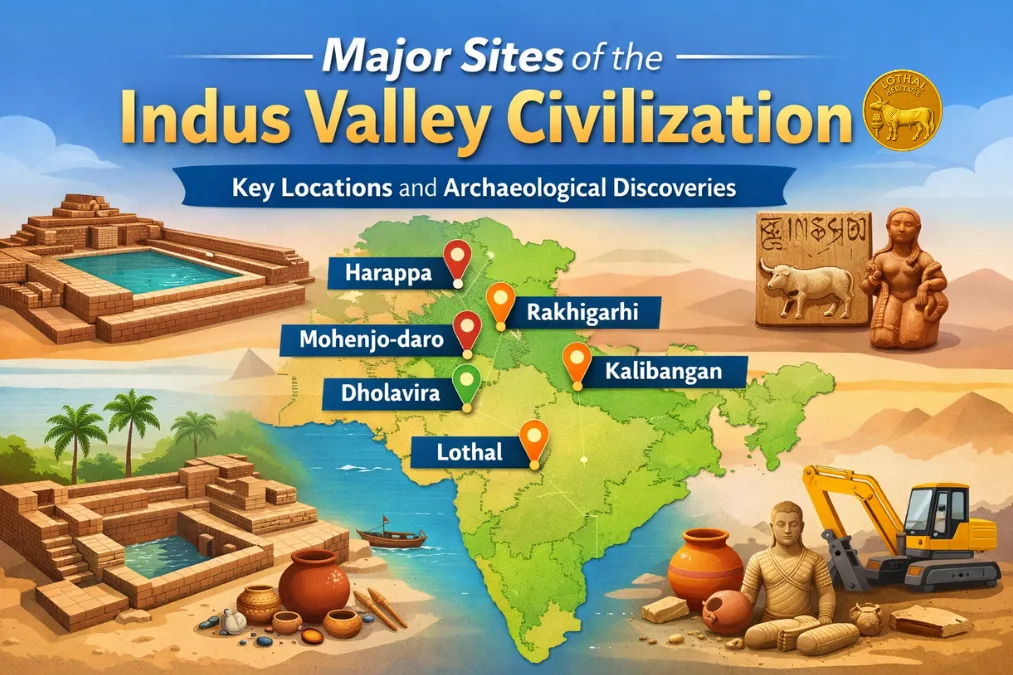
After the initial identification of Harappa and Mohenjo-daro, continuous excavations expanded the civilization’s geographical footprint. Sites such as Dholavira, Lothal, Kalibangan, Ganweriwala, and Rakhigarhi revealed that the Indus Valley Civilization covered over one million square kilometers.
These findings further emphasize why answering who discovered harappan civilization remains essential for understanding the origins of archaeology in South Asia.
Also read: Seals of Harappan Civilization: Exploring the Legacy of an Ancient Script and Symbolic World
Why the Discovery Matters Today
The contribution of Sahni, Banerji, and Marshall goes far beyond academic recognition. Their work:
- Rewrote Indian and world history
- Challenged assumptions about early civilizations
- Highlighted urban engineering skills far ahead of their time
- Provided insights into cultural continuity across millennia
The legacy of who discovered harappan civilization continues to inspire archaeologists, historians, and students worldwide.
Also read: Harappan Civilization: Tracing the Legacy of an Ancient Urban World
Modern Research and Continuing Mysteries
Despite over a century of study, the Harappan Civilization still holds many mysteries. The language remains undeciphered, trade networks continue to be researched, and the reasons behind its decline are still debated.
Modern archaeology-using satellite imagery, advanced dating techniques, and multidisciplinary studies-continues to reinterpret findings from the sites originally excavated by those who helped answer who discovered harappan civilization.
Also read: Indus Valley Civilisation: Tracing the Legacy of an Ancient Urban World
A Civilization Rediscovered
The discovery of the Harappan Civilization is not attributed to a single moment or person but to the collective contributions of several dedicated individuals. When exploring who discovered harappan civilization, the answer encompasses:
- Dayaram Sahni, who unearthed Harappa
- R. D. Banerji, who revealed Mohenjo-daro
- Alexander Cunningham, who documented early evidence
- John Marshall, who interpreted and proclaimed the civilization
Together, they revived a forgotten urban society whose sophistication continues to astonish the world.
The discoveries they made have ensured that the story of the Harappans-once buried under layers of dust and time-now stands as one of the most significant chapters in human history.